Ute Mountain Tribe Signs Wolf Management Pact With Colorado
A new memorandum of understanding between Colorado Parks and Wildlife and the Ute Mountain Ute Tribe establishes structured protocols for wolf releases, data sharing, and livestock compensation across the 3.7-million-acre Brunot Treaty area.
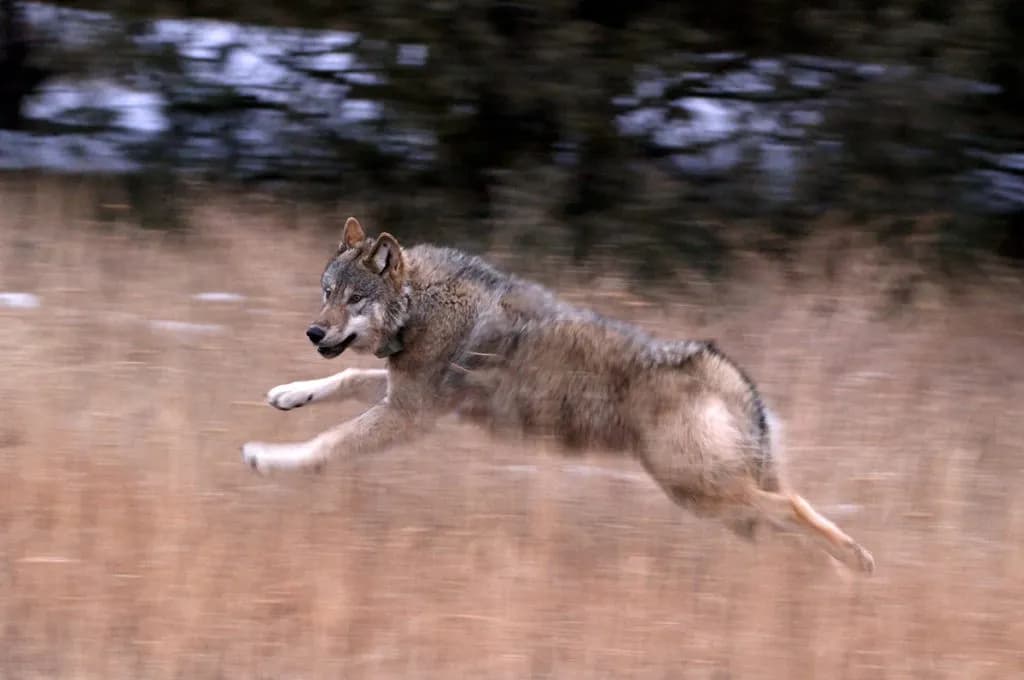
Aspen —The wind off the San Juan Mountains carries a distinct chill, even in the height of summer, a reminder that the landscape here is as much a character in the story as the people who inhabit it. It’s a place where history doesn’t just sit in museums; it walks on four legs through the pines. For Marilynn House, the Ute Mountain Ute Tribal Council secretary, this isn’t just about wildlife management — it’s about voice. In a statement released alongside the new agreement, she noted that the tribe values the relationship and appreciates the agreed-upon approach to information sharing, specifically highlighting the respect for the tribe’s role in the wildlife management of Colorado.
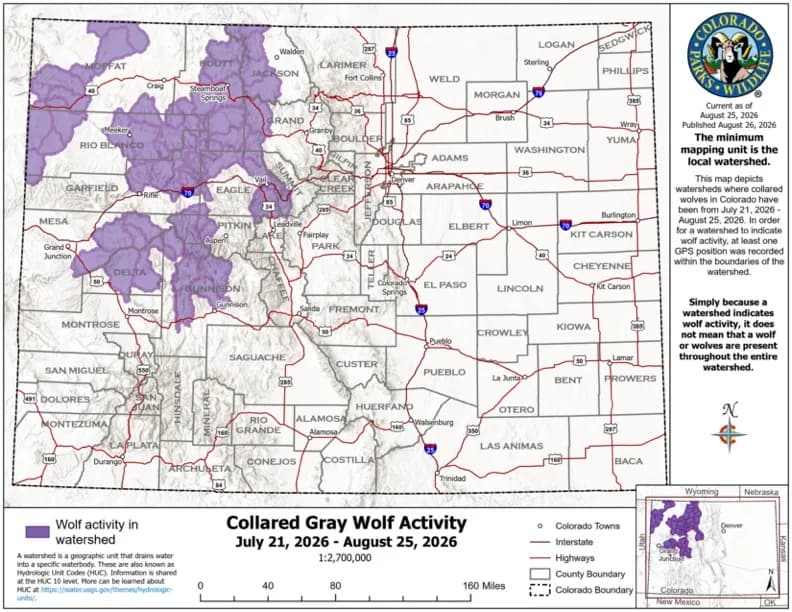
House’s words anchor a broader shift detailed in a report by the Vail Daily, which covered the memorandum of understanding between Colorado Parks and Wildlife and the Ute Mountain Ute Tribe. This agreement mirrors a similar pact signed with the Southern Ute Tribe in late 2024, but it extends further, recognizing sovereignty over the 3.7-million-acre Brunot Treaty area and even reaching across county lines to include Pinecrest Ranch in Gunnison County. The document is dense with legal specificity, yet its heart is pragmatic: how do two governments talk about wolves without stepping on each other’s toes?
The mechanics of this collaboration are surprisingly tangible. It’s not just abstract cooperation; it involves the sharing of release locations and movement data. The final state wolf plan had established a 60-mile buffer for releases near sovereign lands, and this MOU operationalizes how that buffer is respected through communication. But perhaps more significant for locals are the provisions regarding conflict minimization. The state agency agrees to provide education, training, and workshops, but also physical tools — scare devices, cracker shells, to help mitigate depredation. There is a warmth to this exchange, a recognition that managing a predator requires more than just policy; it requires a toolkit.
Compensation is another critical thread woven into the fabric of this deal. While tribal members are eligible for the state’s program for lost livestock or guard animals, the agreement stipulates that the tribe will develop its own processes for investigating those losses on reservation land. This nuance matters. It preserves tribal autonomy in investigation while ensuring access to state funds. Furthermore, Parks and Wildlife commits to helping the tribe identify and apply for external funding opportunities, a nod to the reality that state budgets alone rarely cover the full scope of restoration.
This agreement stands as a clear marker of the evolving relationship between state agencies and tribal nations in western Colorado. It moves beyond simple acknowledgment of sovereignty to active, structured collaboration. The inclusion of specific resources, from staffing positions to technical tools, suggests a long-term commitment rather than a one-time gesture. As wolf populations continue to expand across the region, frameworks like this become less about idealism and more about necessity.
The document ends not with a flourish, but with a quiet acknowledgment of shared responsibility. It leaves the reader with the image of a vast, rugged landscape where the boundaries between jurisdictions are as fluid as the rivers that carve through them. In that space, where the pines meet the sky, the work of coexistence begins - not with a handshake, but with a map.
Keep up with Aspen
The day's Western Slope news, one email each morning. Free.