Vail Leader Argues Town Needs Bold Vision for Future
A Vail Daily opinion piece argues the town’s future hinges on a clear, actionable vision for the next decade, moving beyond traditional tourism metrics.
Aspen —The wind off the Gore Range cuts sharp against the glass facades of downtown Vail, a constant reminder that this valley exists in a state of perpetual negotiation between its alpine heritage and its modern ambitions. It is a place where the silence of the snow-dusted peaks contrasts with the hum of commerce below, creating a sensory landscape that feels both intimate and expansive. This tension drives the current conversation about the town’s trajectory, a dialogue that moves beyond simple tourism metrics to ask a more fundamental question: what kind of community do we actually want to be in the next decade?
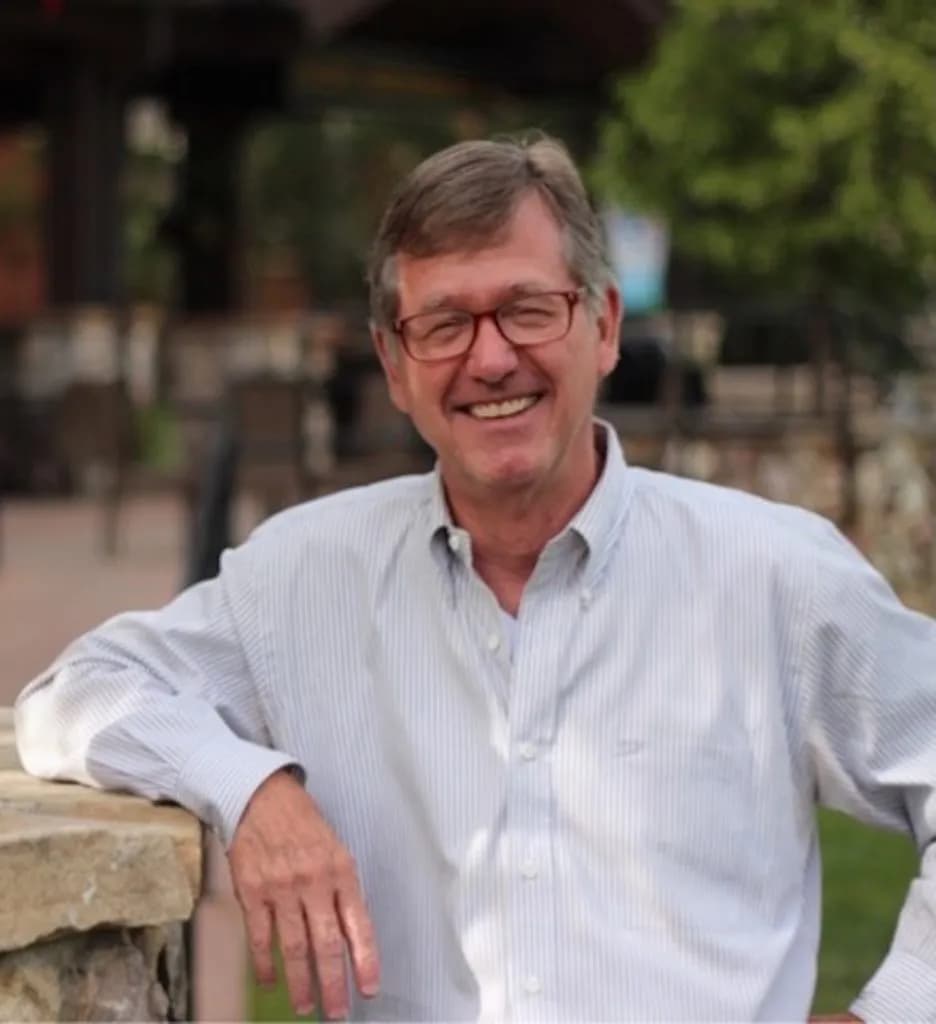
In a recent opinion piece for the Vail Daily, local leader Horan-Kates tackles this exact dilemma, arguing that Vail’s future depends less on what it has always been and more on what it chooses to become. The piece posits that vision is not merely a static goal but a dynamic process of describing where a community wants to be in a five-to-10 year timeframe, one that produces passion in both leaders and residents. It’s a picture of what it will look like and feel like when the town is achieving its collective dream, a concept that resonates deeply with anyone who has ever tried to navigate the complexities of high-cost living and limited space.
Horan-Kates draws on established leadership principles to frame this local issue, citing Burt Nanus’s definition of vision as "a realistic, credible, attractive future for your organization. It is the indispensable tool without which leadership is doomed to failure." This framework suggests that Vail’s challenges — ranging from housing affordability to economic diversification — are not just logistical hurdles but tests of leadership credibility. The author emphasizes that casting a vision goes beyond brainstorming; it requires an executable strategy that evolves in relationship with others. As Stephen Covey famously advised, one must "have the end in mind," a principle that applies as much to municipal planning as it does to personal growth.
The argument extends to the necessity of trust-building. For a vision to be fully realized, leaders must invest time to engage others deeply, developing followers just as historical figures have done throughout history. Horan-Kates references John Ortberg’s interpretation of a divine vision as "make it down here like it is up there," highlighting that visions are about the future but have action tied to them. This connection between spiritual or philosophical ideals and practical governance is a recurring theme in Western Slope discourse, where the weight of natural beauty often informs political expectations.
Central to the piece is the idea that bold action distinguishes effective leaders. The best action follows a plan, and visionary leaders paint inspiring big pictures of futures worth striving for. They describe a potential worth passing on to future generations, a sentiment that carries particular weight in a resort town where the concept of "legacy" is often overshadowed by seasonal turnover. If a vision is worthy of effort, it is good enough to lay out a roadmap: How will you get there? What will it take? Who needs to join the movement to make it both successful and significant? These questions are not rhetorical; they are the scaffolding upon which policy decisions are built.
Horan-Kates shares a personal narrative of involvement in building the community, imagining a vibrant, model society requiring a strong, diverse economy, great facilities, excellent education, and forward-looking leaders. Involved since the mid-1990s through the Vail Leadership Alliance, the author argues that Vail, as a year-round resort, benefits from more than skiing, golf, and performing arts. With a campus of excellent facilities, including hotels, clubs, huts, ranches, and the surrounding White River National Forest - the vision includes building a learning economy comparable to Santa Fe, Boulder, or Boston. This might include several institutes or centers, suggesting a shift from a purely service-based economy to one rooted in knowledge and culture.
There’s a warmth to this particular brand of optimism, though it doesn’t ignore the rough edges. The proposal for a "learning economy" is ambitious, bordering on utopian, yet it addresses a genuine anxiety among locals: the fear that Vail is becoming a hollow shell, a destination for the wealthy rather than a home for the working class. By invoking comparisons to Boulder and Santa Fe, the author taps into a regional identity that values intellectualism and sustainability, traits that are increasingly central to the town’s marketing efforts. It’s a subtle nod to the fact that Vail’s future is intertwined with the broader trends shaping Colorado’s creative and academic hubs.
The piece concludes with a call to introspection, urging readers to consider their own role in shaping the town’s destiny. It’s not enough to vote or protest; one must actively participate in the visioning process, bringing unique perspectives and skills to the table. This participatory approach is essential in a small, tight-knit community where everyone knows everyone else, and where the stakes of each decision are felt immediately. The author suggests that by engaging in this conversation, residents can ensure that the town’s future reflects their values and aspirations, rather than being dictated by external forces or short-term interests.
As the sun dips behind the mountains, casting long shadows across the valley, the sense of possibility lingers in the crisp air. The lights of downtown begin to flicker on, one by one, mirroring the gradual illumination of ideas discussed in the piece. Each light represents a resident, a business, a family, contributing to the collective glow of Vail’s potential. It’s a quiet, steady radiance, neither blinding nor dim, but just bright enough to guide the way forward. The silence of the peaks above watches over this human endeavor, a timeless backdrop to the fleeting, urgent work of building a future that feels as solid and enduring as the stone beneath the feet of anyone walking through the streets of Vail tonight.
Keep up with Aspen
The day's Western Slope news, one email each morning. Free.