Why Michael Bennet Should Stay in the Senate to Keep the Agriculture Chair
An analysis of why keeping Michael Bennet in the U.S. Senate is crucial for Colorado, as it preserves the likely chairmanship of the Senate Agriculture Committee, protecting farm policy and forest resources.

Aspen —Michael Bennet staying in the Senate isn’t just about keeping a familiar face in Washington. It’s about keeping the keys to the kingdom.
If Bennet takes the governor’s office, Colorado loses 17 years of Senate seniority. More importantly, it likely loses the chairmanship of the Senate Agriculture Committee. That’s not a minor detail. That committee controls farm policy, food assistance, national forests, and the Forest Service — including the smokejumpers who fight our wildfires.
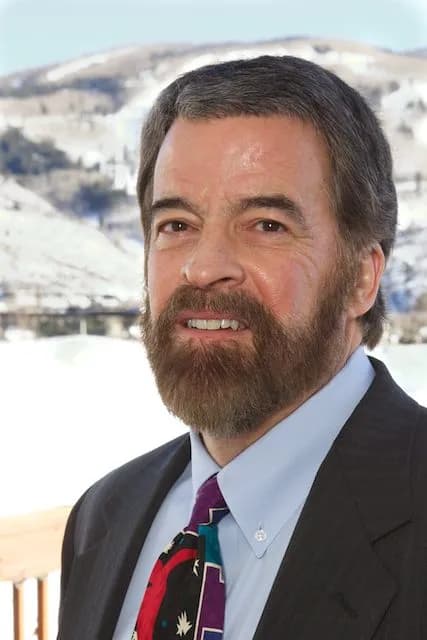
Jeff Blattner, who served as chief counsel to Sen. Edward M. Kennedy, makes the case in a new opinion piece. The argument is simple: power concentrates in the chair. A chair decides which nominations go to the full Senate and which bills get heard. The chair can block bad policy or push good policy. If Bennet stays, he becomes that lever. If he leaves, the lever breaks.
Blattner notes that Democratic ranking member of the Agriculture Committee is expected to resign after the November election. Bennet is next in line for seniority. Democrats are slight favorites to win the majority. If they do, Bennet chairs the committee.
Think about who that affects. Peach farmers in Palisades. Forest Service firefighters in Grand Junction. Ranchers in Baca County. Single-parent families in Denver or Aurora relying on food assistance. You want the person holding the gavel to be from Colorado.
It’s not just about direct impact. It’s about political capital. Other senators need the Agriculture Chair’s help on matters the committee controls. They have an incentive to return the favor. Bennet’s seniority on other committees, like Finance, only increases his ability to pull strings for the state.
Losing Bennet’s seniority costs Colorado dearly. A replacement senator would enter the chamber at number 99 or 100 in seniority. They wouldn’t have the power Bennet has. They wouldn’t have the leverage.
Blattner worked in the Senate for 8½ years. He knows how the machine works. He saw Kennedy wield that power. The chair can decline a bad nomination. The chair can schedule hearings to advance good legislation or trash a bad bill. Bennet could be a protector for Colorado’s farmers and forests. He could stop unqualified nominees. He could promote policies that help the state.
The election is June 30. Voters are weighing the governor’s race against the Senate seat. But the stakes are higher than just who sits in the governor’s chair. It’s about who holds the committee chairmanship.
If Bennet leaves, the next governor appoints a successor. That person starts at the bottom of the seniority ladder. It takes years to climb back up. It takes years to regain influence. In the short term, Colorado loses its voice in the committee that shapes its food supply and its fire management.
Blattner doesn’t mince words. He says losing Bennet’s seniority comes at a high cost. The short version? Keep Bennet in the Senate. Keep the chair. Keep the power.
The alternative is watching a number 99 senator try to negotiate from the bottom of the heap while Bennet negotiates from the top. That’s the trade-off. That’s the reality.
Read that again. The committee controls vital legislation. The chair controls the committee. Bennet is the likely chair. If he leaves, Colorado loses the chair.
It’s that simple.
Keep up with Aspen
The day's Western Slope news, one email each morning. Free.