Wyoming Poised to Capture Data Center Boom as Colorado Kills Tax Break Bill
Colorado lawmakers kill House Bill 1030, ending efforts to offer steep tax breaks for large-scale data centers, leaving Wyoming poised to capture the AI infrastructure boom.
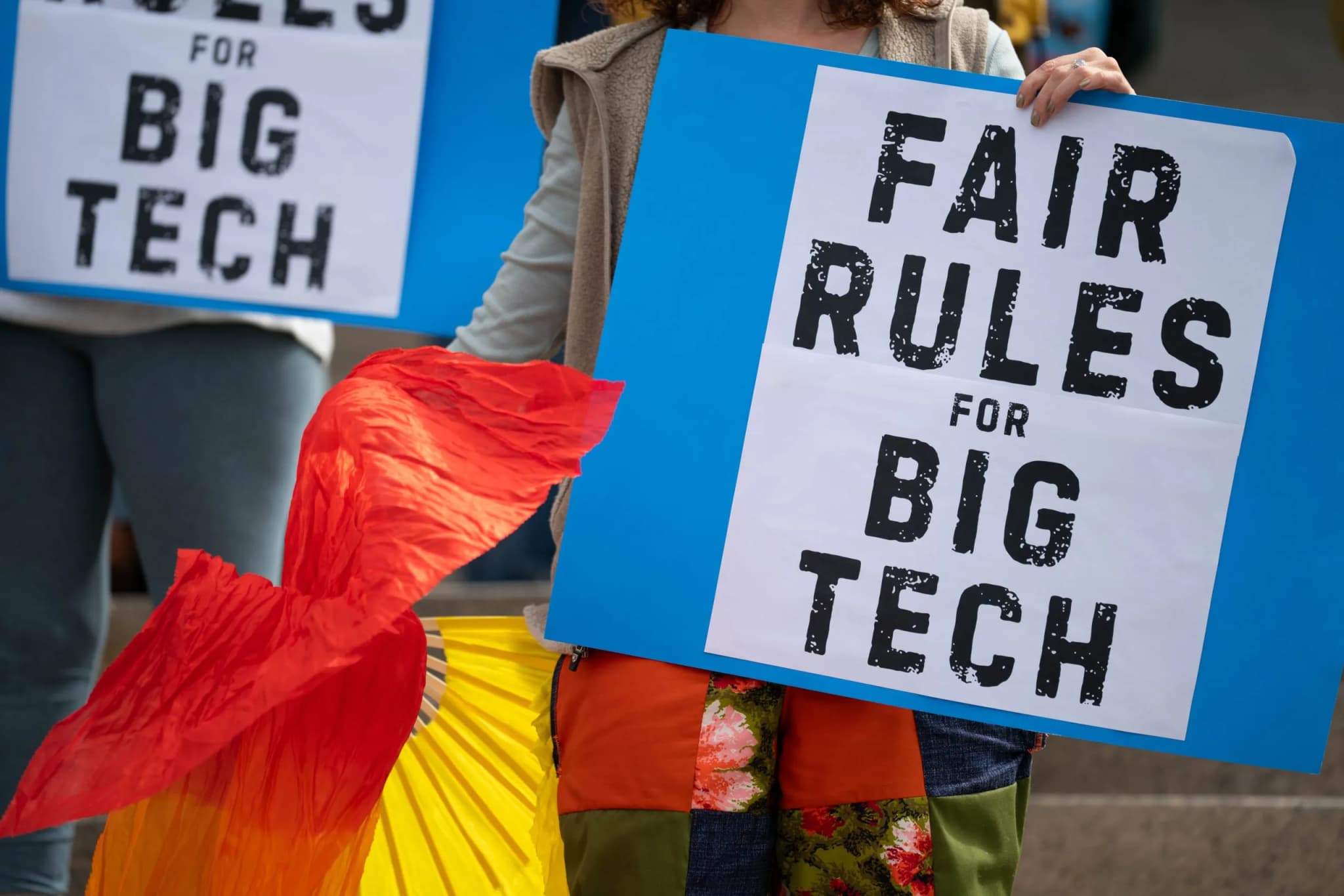
Colorado —The air inside the House Energy and Environment committee room was thick with the kind of exhaustion that comes after three rescheduled hearings, a smell of stale coffee and heated rhetoric hanging heavier than the humidity. It wasn’t just a vote; it was a surrender. Colorado lawmakers pulled the plug on House Bill 1030, killing the effort to offer steep tax breaks for data centers, those energy-hungry behemoths powering the artificial intelligence boom.
You might think the failure of a single bill is a minor bureaucratic hiccup, a footnote in the daily grind of Denver politics. But look closer at the map of the West, and you’ll see a different story unfolding. Wyoming is watching. Wyoming is waiting. And as state Rep. Alex Valdez noted before the gavel fell, we are about to watch our neighbors reap all of the economic benefits while we stay closed for business.
The bill itself was ambitious, designed to lure large-scale facilities that currently dot neighboring states but are scarce here. It promised 20- to 30-year sales and use tax exemptions for computer equipment, software, and environmental control systems. In exchange, companies would have had to invest $250 million in infrastructure within their first five years and create jobs paying at least 110% of the average local wage. In the Denver Metro area, that wage threshold is substantial, a figure that would have made local property owners nod in approval if the tax breaks hadn’t been so steep.
Yet, the "enviro" coalition, a term Valdez used with a mix of frustration and resignation, found nothing satisfying in the compromise. Despite a substantial amendment to strengthen environmental guardrails, the bill couldn’t survive the final weeks of the legislative session. The committee voted 11-2 to postpone it indefinitely. Valdez, who had expected the outcome after months of negotiations, didn’t mince words. He said the approach supported by labor groups and the industry had become a signal that Colorado remains closed, a signal that would likely be received with open arms across the state line.
This isn’t happening in a vacuum. Across the country, elected officials are rolling back deals with data center companies as public opposition mounts. The concerns are tangible, visceral even: the massive demand on natural resources, the spike in utility bills that trickles down to homeowners, and the criticism that these facilities create limited jobs relative to their footprint. It’s enough to cost some lawmakers their seats. Denver is currently considering a moratorium on data center development, and Larimer County already has one in place. While there are 56 data centers in Colorado according to Data Center Map, industry experts agree that we lack the large-scale facilities seen in our neighbors’ backyards.
If you look closely at the political landscape, you can feel the tension between the desire for economic growth and the fear of losing our character to industrialization. Valdez’s bill was the bridge, but the bridge collapsed under the weight of its own compromises. Now, the question isn’t whether the data centers will come; it’s who will get them first.
Outside the Capitol, the spring air was cool, carrying the scent of cut grass and distant rain, a stark contrast to the humid, recycled air of the committee room where the decision was made to let Wyoming take the prize.
Keep up with Colorado
The day's Western Slope news, one email each morning. Free.



Federal Report Sets 200,000 Acre-Foot Water Conservation Target for Upper Basin
Colorado Parks and Wildlife Deploys Precision Drones for Weed Control