Xcel Energy Proposes $225 Million Rate Hike for Western Slope
Xcel Energy proposes a historic $225 million rate hike, raising average household bills by $6.13 monthly. Consumer advocates and businesses push back against the settlement at the Colorado Public Utilities Commission.
Colorado —The hum of a refrigerator is a sound we stop hearing, until the bill arrives. Then, the low, steady drone of the compressor becomes a reminder of the invisible tax we pay for keeping our food cold and our lights on. For neighbors across the Western Slope, that hum is about to get louder, and the price tag attached to it is the largest in the state’s history.
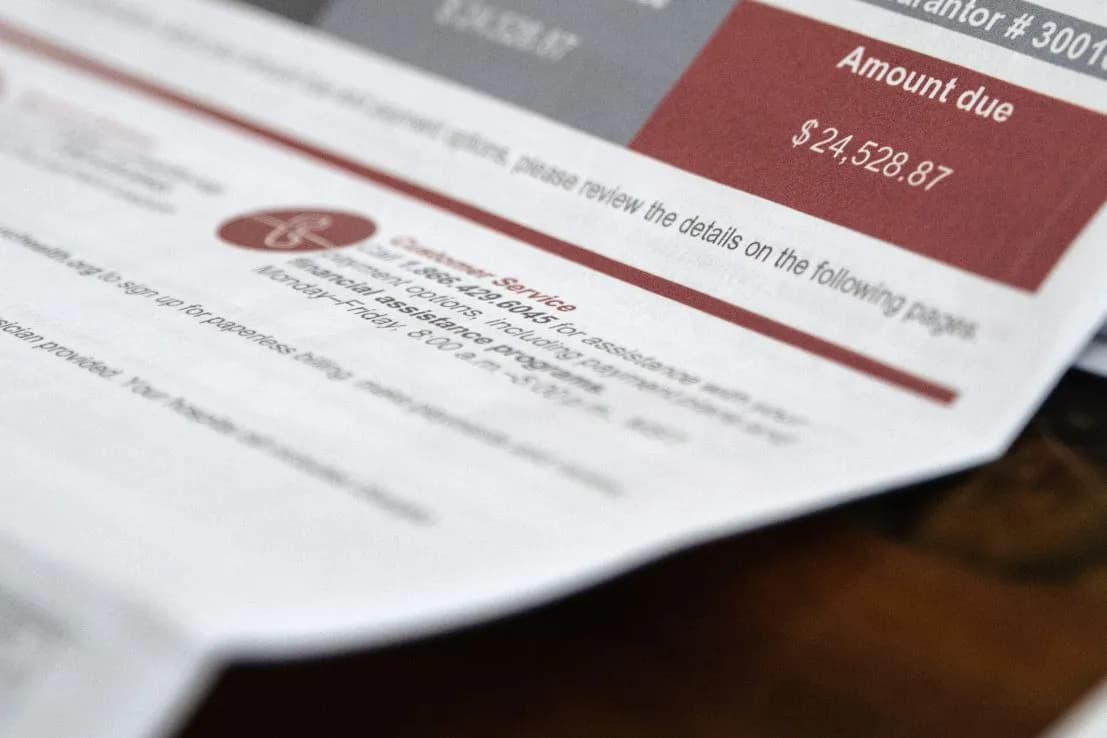
Xcel Energy has proposed a $225 million rate increase, a settlement that would raise the average household electric bill by $6.13 a month, pushing the total to $110.81. It sounds small enough to ignore, a rounding error in the grand scheme of a mortgage or a car payment. But look closer at the math, and the illusion of insignificance shatters. This isn't just a bump; it's a structural shift in how much it costs to live in Colorado, and it’s being handed to consumers in a package that corporate interests call "efficient" while consumer advocates call "egregious."
The proposed agreement, submitted to the Colorado Public Utilities Commission (PUC) on Monday, has the backing of the International Brotherhood of Electric Workers, Walmart, and Climax Molybdenum. It’s a coalition of labor and big business, shaking hands over the heads of the people who actually flip the switches. But the city of Boulder, AARP Colorado, the Colorado Office of Utility Consumer Advocate (UCA), and Energy Outreach Colorado are pushing back hard. They’re asking the commission to reject this settlement and move to full hearings starting June 11.
Why the resistance? Because this $225 million figure represents only 69% of what Xcel originally asked for. The company filed in November seeking $355 million in new revenue. By settling for less, they’re still asking for a massive chunk of change, and they’re asking it now. Over the past five years, public utility commissions have approved about 64% of the dollar value of rate requests, a significant jump from the 52% average seen in the previous two decades. Higher approval rates could mean higher-quality requests, or it could mean lower levels of scrutiny. You have to wonder which it is.
Joseph Pereira, the UCA Director, puts it plainly: "What it looks like to us is that the company, PUC staff and corporate interests have made an agreement that saddles residential customers with the largest rate increase in Colorado history." It’s not just about the money; it’s about who bears the burden. Sara Schueneman, AARP’s state director, argues that older Coloradans are being asked to shoulder another hit, especially when the charges are "unjustified" and the investments "unproven."
For small businesses in our valley, the impact is tangible. Under this settlement, the average monthly bill for a small commercial business would rise 5.6% to $168. That’s an $8.90 increase per month, but for a shop on Main Street with thin margins, that’s the difference between profit and loss. Cory Skluzak, a UCA analyst, notes that electricity is a major operating expense for these businesses, adding pressure to families who are already struggling with rising living costs.
The utility filed its rate case in November, seeking to raise the base rate by $355 million, with $327 million coming directly from customers. The rest was just moving individual charges into the base rate, a accounting trick that makes the increase look smaller on the surface but doesn't change the total cost to the consumer. If you’ve been watching your bill for the last three years, you know the pattern. Rates have added up to 28% in just three years.
There’s a warmth to the idea of stability, but this feels more like a squeeze. The settlement promises efficiency, but it delivers a higher bill. As the PUC prepares for hearings in June, the question isn't just whether the numbers add up, but whether the people who live here can afford the comfort they’ve been promised. The lights are on, but the cost is climbing, and for now, there’s no off switch.
Keep up with Colorado
The day's Western Slope news, one email each morning. Free.


Federal Report Sets 200,000 Acre-Foot Water Conservation Target for Upper Basin

Colorado Parks and Wildlife Deploys Precision Drones for Weed Control