ZEGNA Boutique Replants 160,000 Trees to Fight Aspen Wildfires
High-end menswear boutique ZEGNA partners with the U.S. Forest Service and Aspen One to replant 160,000 native trees, targeting wildfire resilience and bark beetle recovery in the Roaring Fork Valley.
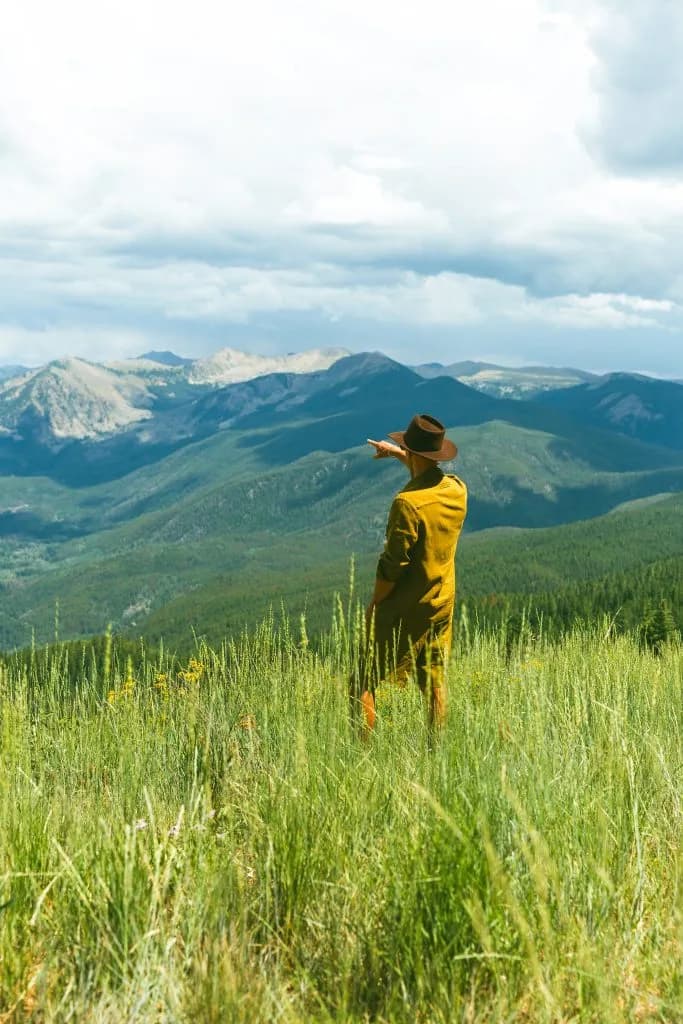
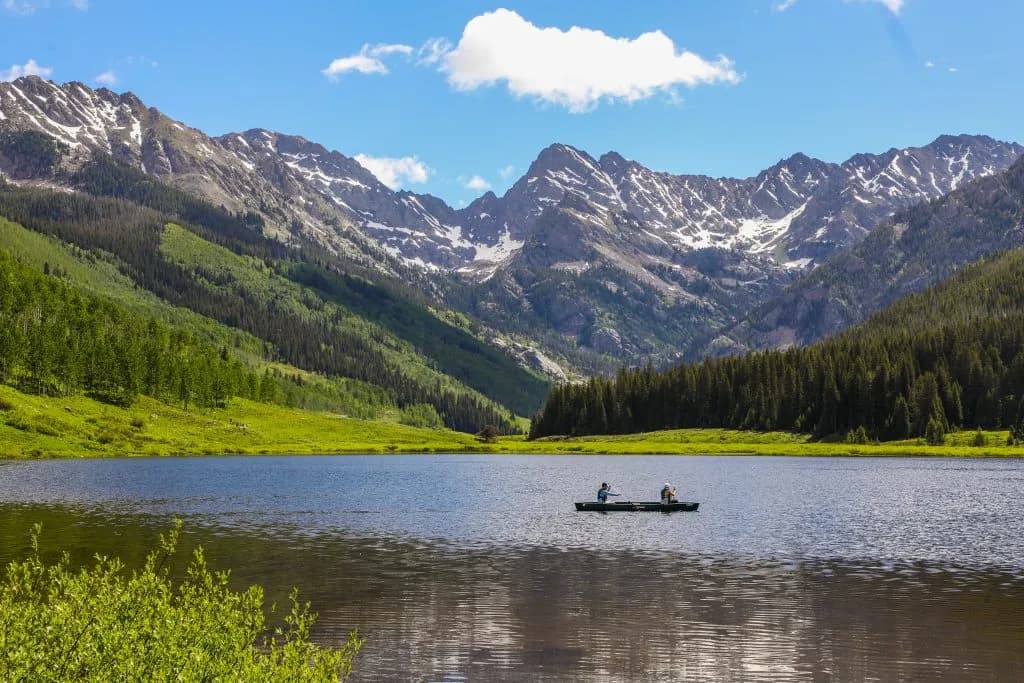
Aspen —Hannah Berman, director of Sustainability and Advocacy at Aspen One, didn’t mince words when describing the stakes. “This revegetation project is a long-game play to restore the ecosystem for local critters, the view for Lake Christine barbecuers and the resiliency of the White River National Forest,” she told The Aspen Times.
It’s easy to dismiss corporate sustainability as a marketing gloss. But in Aspen, that gloss is being applied to actual dirt, actual trees, and actual fire risk. The vehicle for this effort is ZEGNA, the high-end menswear boutique on South Galena Street. Yes, you can buy a $2,000 suit there. But the store is also acting as a financial and logistical hub for large-scale ecological projects across the Roaring Fork Valley.
The brand’s approach isn’t just about planting trees for the sake of it. It’s about preserving the landscape that defines Aspen’s identity. The initiative traces back to 1910 and founder Ermenegildo Zegna’s vision in the Italian Alps, now evolved into “Oasi Zegna Global Initiatives.” In Colorado, that translates to fighting back against the twin threats of wildfires and bark beetles that are stripping the valley’s forests bare.
The numbers are specific. ZEGNA partnered with the U.S. Forest Service and Aspen One to replant 160,000 native trees following the Lake Christine Fire. That’s not a symbolic gesture. That’s a massive reforestation effort aimed at stabilizing the soil and restoring the canopy. They’re also working with the Aspen Fire Department on prescribed burns and clearing activities to reduce wildfire risk. And they’re collaborating with the Aspen Center for Environmental Studies to protect Aspen Mountain’s Douglas-fir forests from the relentless advance of bark beetles.
Gildo Zegna, the Group Executive Chairman, framed it as a shift from preservation to creation. “This is not just about preservation — it’s about creating new spaces for connection and growth,” he said in a shared statement. He referenced his grandfather looking out over barren mountains and imagining a future shaped by beauty and purpose. It’s a poetic vision, but the execution is grounded in local partnerships.
The store itself, a storefront in downtown Aspen, serves as the facilitator. It’s not just selling clothes; it’s amplifying local organizations. The Farm Collaborative got a new forest garden out of the deal. The White River National Forest gets a boost in resiliency.
For context, the valley’s forests are under siege. The post-Lake Christine blaze was a stark reminder of how quickly dry timber can become an inferno. Replanting 160,000 trees is an attempt to ensure that when the next fire comes, there’s something left to burn that isn’t just dead wood waiting for a spark.
Berman noted that they’re helping “rejuvenate our backyard for future generations while we continue to advocate for climate policies that would lessen the frequency and intensity of future fires.” It’s a dual approach: fixing the immediate ecological damage while pushing for broader policy changes.
This isn’t a one-off donation. ZEGNA has been a “consistent and valuable partner” over the past three years, according to reports. They’re digging into the specifics of forest health, not just throwing money at a generic environmental fund. They’re targeting Douglas-fir. They’re targeting the area around the Lake Christine Fire. They’re working with the Aspen Fire Department, not just the city council.
The bottom line for locals? The view from Lake Christine might stay a bit greener for a while longer. The risk of a total blowout from bark beetles might be slightly mitigated, though nature always holds the final say. And the boutique on Galena Street remains a place where you can buy a suit, but the real value proposition is the ecological infrastructure it’s helping to build behind the scenes. It’s a tangible investment in the valley’s survival, one 160,00th of a tree at a time.
Keep up with Aspen
The day's Western Slope news, one email each morning. Free.