Aspen Council Reviews Sandwich Board Sign Chaos on Main Street
Aspen City Council debates the chaotic state of sandwich board signs on Main Street, weighing whether to enforce the expired ban or allow the clutter back to preserve the historic streetscape.
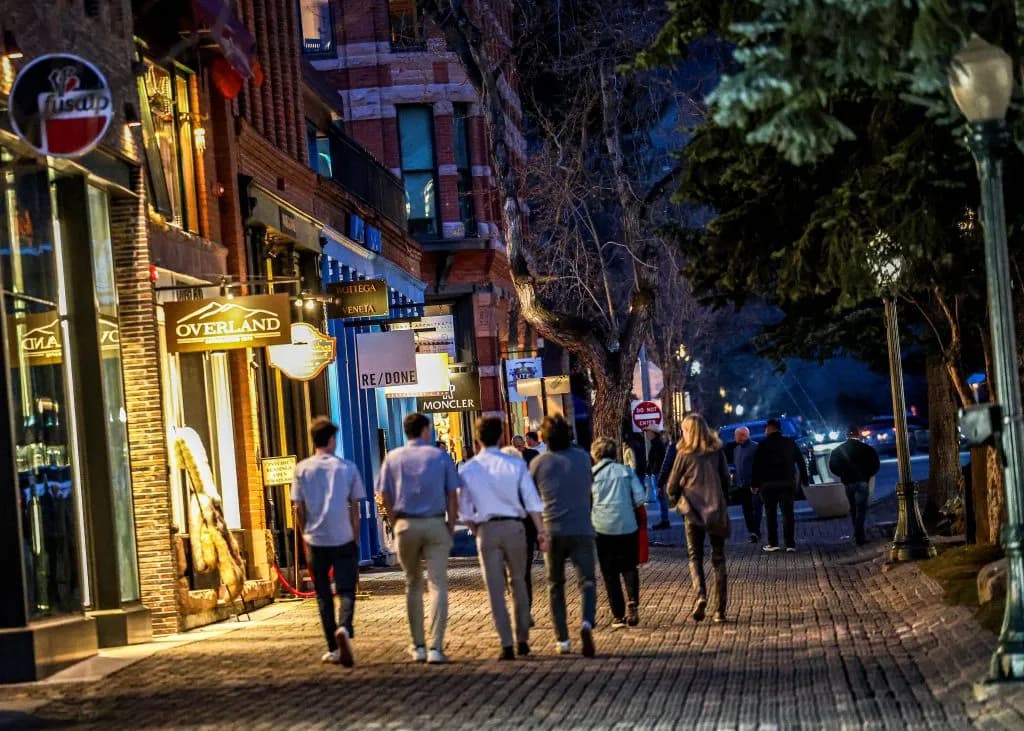
Aspen —The sidewalks along Main Street in Aspen are crowded enough without adding another layer of clutter. You can navigate the pedestrians, you can dodge the tourists with their maps, but the moment you step off the cleared path to avoid a patch of ice, you’re likely to kick a wooden A-frame. They’re everywhere. They’re leaning against storefronts, blocking wheelchair ramps, and generally turning a historic district into a temporary billboard zone.
The question on the table this week wasn’t just about aesthetics. It was about control.
Aspen City Council weighed in on Monday regarding the chaotic state of downtown right-of-way usage, and the sandwich board sign was the first item up for review. The city hasn’t seriously revisited the rules since 2019, and the result has been a de facto allowance of signs that the code technically banned years ago.
“The purpose of our discussion tonight is to look at how the business community is using our public spaces,” said Emmy Oliver, Lodging & Commercial Core program manager. “Our goal in bringing these items to council is to hear your direction. We would like to know as staff — is our current approach adequate?”
It’s not. The code states that sandwich board permits expired on Sept. 28, 2020. They were supposed to be gone. Instead, they multiplied. Oliver noted that clusters of these signs now impede sidewalk accessibility and complicate snow removal in the dead of winter. Worse, they’re often found blocks away from the business they’re supposed to be advertising, turning public land into a free-for-all marketing tool.
“We know that businesses rely on sandwich board signs,” Oliver said.
But relying on them isn’t the same as being allowed to. The city operates on a complaint basis. If you don’t complain, the sign stays. If you do, it might get moved. It’s an informal system for a formal rule, and it’s failing.
Mayor Rachael Richards didn’t mince words about the visual impact. She was concerned about the commercialization of a downtown preserved for its historic character.
“What it does to our historic character — it makes it look like a flea market,” Richards said, noting that the sheer volume of signs, potentially up to 1,200 if the “all or nothing” rule were flipped back to allowing them for all businesses; drowns out the architecture.
The irony is thick. In 2017, the city adopted an “all or nothing” approach. They could have allowed signs for Tier 2 spaces - businesses on second floors or in basements with no street presence. But community sentiment pushed them toward banning them entirely to preserve the streetscape. Now, with permits expired and enforcement lax, the ban is a suggestion.
Oliver posed the critical question to the council: Does the city want staff to finally enforce the current code? That means removing all signs, period. Or does it want to open the floodgates again and risk the clutter returning?
The decision matters for more than just aesthetics. It affects how locals walk to the post office, how tourists navigate the core, and how much effort the city spends moving wood and metal out of the way every winter. It’s a simple choice: enforce the rule that’s already on the books, or rewrite it to allow the chaos back in.
“The evidence is visible on every corner,” Oliver noted, pointing to the visual evidence on every corner. “We could very well have an entire work session on this topic alone.”
The council’s next move determines whether the streets get cleaned up or the signs stay. But for now, the message from the city is clear: the permits expired. The question is whether anyone is actually listening.
Keep up with Aspen
The day's Western Slope news, one email each morning. Free.