Aspen Ideas Festival Opening Night Delivers Cultural Enrichment, Not Economic Restructuring
The Aspen Ideas Festival’s opening night featured high-profile musicians like Valerie June and Joshua Redman at Paepcke Auditorium, delivering cultural enrichment rather than economic restructuring or tax subsidies for Western Slope residents.
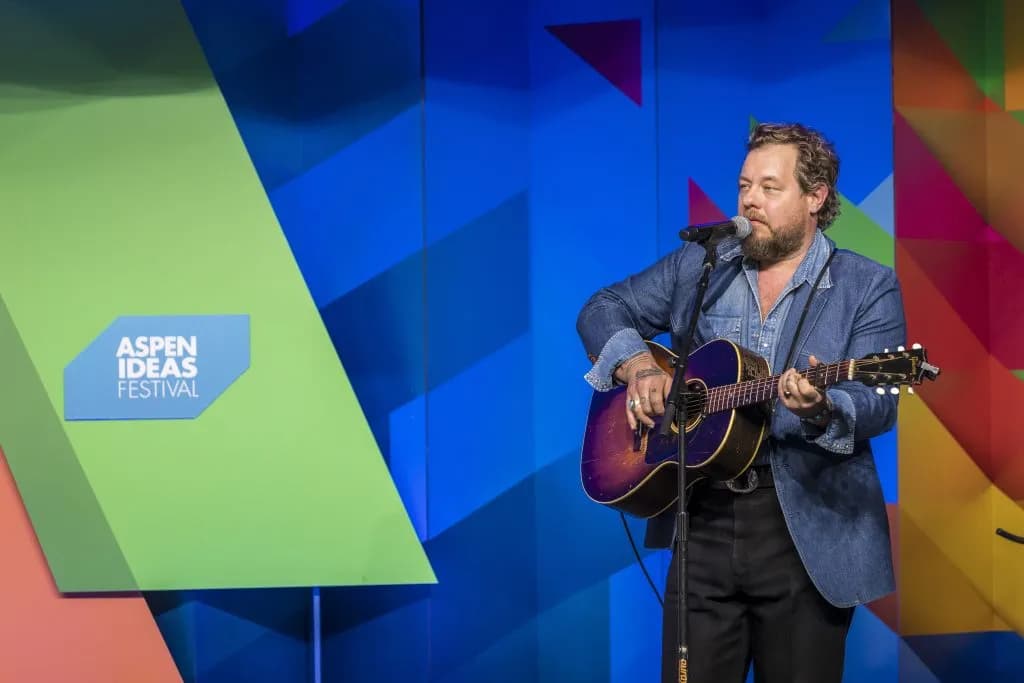
Aspen —What does a bunch of musicians in an auditorium actually cost the average Western Slope neighbor?
Nothing. Not a cent. That’s the first thing you need to understand about the Aspen Ideas Festival’s opening night. The event kicked off June 25, with full programming hitting Paepcke Auditorium on June 26. The headline act was “Acts of Imagination: ‘Hold These Truths,’ A Celebration of American Song.” It was a cultural showcase. It was not a infrastructure project. It was not a housing development. It was a performance.
The lineup included Lara Downes, Wyatt Ellis, Valerie June, Leyla McCalla, Nathaniel Rateliff, and Joshua Redman. They came from New Orleans, Nashville, Denver, and beyond. They played instruments that trace back to gut strings and goat skin. They talked about Creole languages and Irish tunes. You got the cultural context. You got the history. You did not get a breakdown of ticket prices or local tax allocations.
Let’s look at the music, since that’s what actually happened. McCalla switched from classical cello to banjo to explore New Orleans jazz. She mentioned her Haitian ancestors and the seven Creole languages that blend into certain songs. It was educational. It was interesting. It had zero impact on your commute to the airport or the price of your milk.
Then there was Wyatt Ellis. He’s seventeen. He played “The Entertainer” on the mandolin. He explained that the instrument started in Italy, became a craze in the early 20th century via immigrants, and eventually birthed bluegrass thanks to Bill Monroe. Ellis also played “Patty on the Turnpike,” an old Irish tune Monroe picked up in the States. It’s a nice story. It’s a solid performance. But it doesn’t fix the potholes on Main Street.
Valerie June brought the baby banjo from Hawaii. It blends the bright tone of a banjo with the ease of a ukulele. She performed “What a Wonderful World,” noting the controversy behind the 1967 hit by George David Weiss and Bob Thiele. It was recorded as an antidote to social and political unrest. Joshua Redman noted that American spirituals bear witness to suffering but exude resilience. The blues follows the same pattern. Great music. Written during the Great Depression and other hard times. Hope in the face of adversity.
Here is the practical bottom line for folks around here: This was a cultural event in Aspen. It was well-produced. It featured high-profile talent. But if you’re waiting for this to lower your property taxes, fund a new bridge, or add housing units to the valley, you’re looking in the wrong place. The cost was covered by the festival’s budget, not your local municipal ledger. The impact was cultural enrichment, not economic restructuring. You can go to Paepcke Auditorium, listen to the music, and go home. Your wallet stays exactly where it was before you walked in. That’s the reality of a festival. It’s a celebration, not a subsidy.
Keep up with Aspen
The day's Western Slope news, one email each morning. Free.