Avon and State Land Board Partner to Build Workforce Housing at Dowd Junction
Avon and the Colorado State Land Board are transferring trust land to build workforce housing at Dowd Junction, aiming to solve the valley's housing shortage.
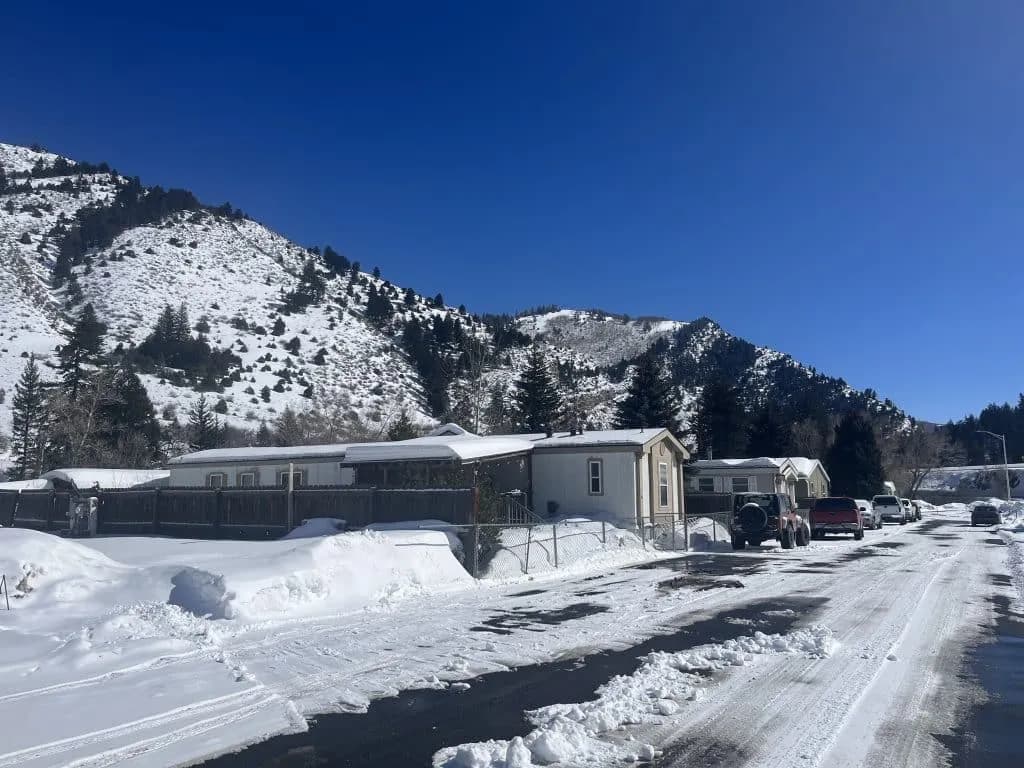
Aspen —Tamra Nottingham Underwood is a fourth-generation Avonite. She has spent her life in the valley, watching the people who keep it running struggle to find a place to live. In an opinion piece published in the Vail Daily, she and her co-author describe a specific solution taking shape at Dowd Junction, a site where the town of Avon and the Colorado State Land Board are preparing to build community housing.
The math behind the need is stark. Eagle County estimates it will require 6,375 additional affordable workforce housing units over the next decade. Nearly half of those units are needed in the Avon-Vail corridor. As Underwood and her co-author Rosmarino wrote, if the people who teach children, care for patients, and maintain roads cannot afford to stay, the community loses more than just labor. It loses its foundational stability.
The solution at Dowd Junction relies on a transfer of trust land from the state to the town. The State Land Board manages nearly 3 million acres of land dedicated to funding public schools. For years, that figure felt abstract to many locals. But the partnership changes how that land is used. Instead of sitting idle or being sold for maximum immediate profit, the trust land becomes a tool for local housing. The board agreed to transfer this specific parcel so Avon can lead the development effort, generating lasting school revenue while addressing a local housing crisis.
This is not a quick fix. The timeline reflects the difficulty of building in mountain terrain, where land is limited and construction costs are high. The effort began with outreach in 2016. It solidified into a memorandum of understanding in 2023 among the State Land Board, Avon, and regional partners. A key piece of legislation, Senate Bill 23-001, gave the board a clearer legal path to collaborate with local governments on affordable housing projects.
To hear them tell it, the process was a slow grind of negotiation and planning with neighboring governments and service providers. Underwood noted that the details of the development must reflect the place and the people who will call it home. Avon plans to continue engaging the community, assessing environmental conditions, and ensuring roads and utilities are ready for new neighbors.
The question is whether this model can travel beyond Eagle County. Underwood and Rosmarino hope so. They envision a framework where other local governments in Colorado, facing similar shortages, can partner with the State Land Board to develop housing on trust land. Each partnership would have to fit its specific community and deliver value to the school trust, but the core mechanism remains the same: local leadership paired with state land resources.
For neighbors in the valley, this represents a shift from speculation to stewardship. It acknowledges that the workforce is not just an economic input, but a community of residents who deserve to live where they work. The development at Dowd Junction is still in the planning and assessment phase, with environmental reviews and community engagement ahead.
Underwood closed their piece by emphasizing the shared commitment of both parties. "We are proud of what our teams and partners are accomplishing together, and we are eager to keep working toward a future in which the people who serve Eagle County can also call it home," she wrote.
Keep up with Aspen
The day's Western Slope news, one email each morning. Free.