Avon Warns Eagle County Upzoning Ignores Water Limits
Avon and local water districts urge Eagle County to pause upzoning plans, warning that proposed mixed-use development in the Edwards Gap lacks sufficient water allocation.
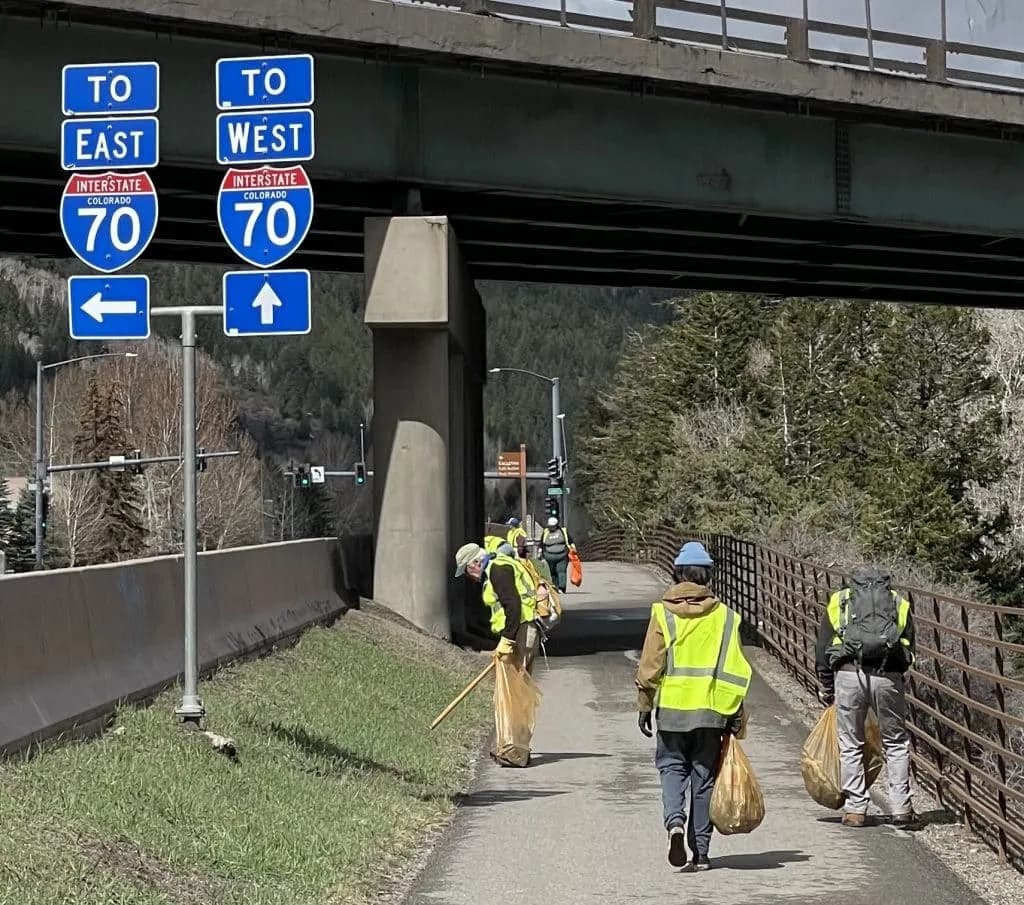
Aspen —The air on the Green Mile is thick with the scent of pine and the low hum of traffic crawling along U.S. Highway 6, a stretch of road that has become synonymous with the proliferation of pot shops and the promise of new life. It is here, amidst the shadow of I-70 and the whisper of the Eagle River, that a quiet battle over the very essence of survival is unfolding. The obvious narrative suggests that the Eagle County Land Use Regulations Rewrite Project is simply about modernizing zoning codes to allow for more affordable housing and vibrant mixed-use communities. But if you look closely, the story is not about bricks and mortar; it is about the invisible, finite resource that makes those structures possible. The contrarian truth is that the county is proposing to build a future on a foundation of sand, ignoring the fact that water is the true architect of the Western Slope.
The proposal seeks to upzone the commercial areas of unincorporated EagleVail and Edwards, shifting from "Commercial General" to "Mixed-Use Commercial" to foster density and community housing. This sounds progressive, a move toward sustainability and inclusivity. Yet, the town of Avon and the major local water districts are urging the commissioners to tap the brakes. Avon Town Manager Eric Heil wrote to the commissioners on Tuesday, expressing deep concern with any upzoning for properties served by the Upper Eagle Regional Water Authority. He urged the county to not include any increase in development density for these specific parcels, a legal and practical necessity rooted in state statute and the county’s own 2005 comprehensive plan.
Lauren Snyder, government and public relations manager for the Eagle River Water & Sanitation District, echoed these sentiments in a comment letter sent on August 20. She recommended a detailed, parcel-by-parcel analysis of how the proposed upzoning might affect current and future water supplies. Snyder noted that the conditions experienced in 2026 demonstrate the increasing importance of water availability and reliability as factors that may limit the district’s ability to commit service to future, unplanned development. In a phone interview, she underscored the need for better collaboration before land-use decisions are made, so officials can definitively answer the question: do we have the water, or do we not?
The stakes are high, particularly in the "Edwards Gap," where Heil warned that the proposed Mixed-Use Neighborhood could require six to ten times more water allocation for augmentation than is needed upstream of the Avon wastewater treatment plant. As drought conditions persist and become more frequent, the distinction between municipalities and special water districts becomes less academic and more existential. The county wants to grow; the water districts want to survive. The tension between these two desires is palpable, a friction that runs deeper than any zoning code.
The Green Mile remains bustling, the storefronts bright against the darkening sky, but beneath the pavement, the aquifer is silent, holding its breath. The water is there, but it is not infinite, and the question of whether we can drink from it without running dry is one that the county has yet to fully answer. The light fades on the highway, the taillights of passing cars blurring into streaks of red, a fleeting reminder that while we may be moving forward, the ground beneath us is shifting, waiting to see if we have enough to sustain the journey.
Keep up with Aspen
The day's Western Slope news, one email each morning. Free.