BAAJA Bill Splits Colorado Senators Over Public Land Rules
Colorado senators voted on opposite sides of the BAAJA bill, which rewrites federal land rules to streamline energy permits while facing opposition from 29 local environmental groups.
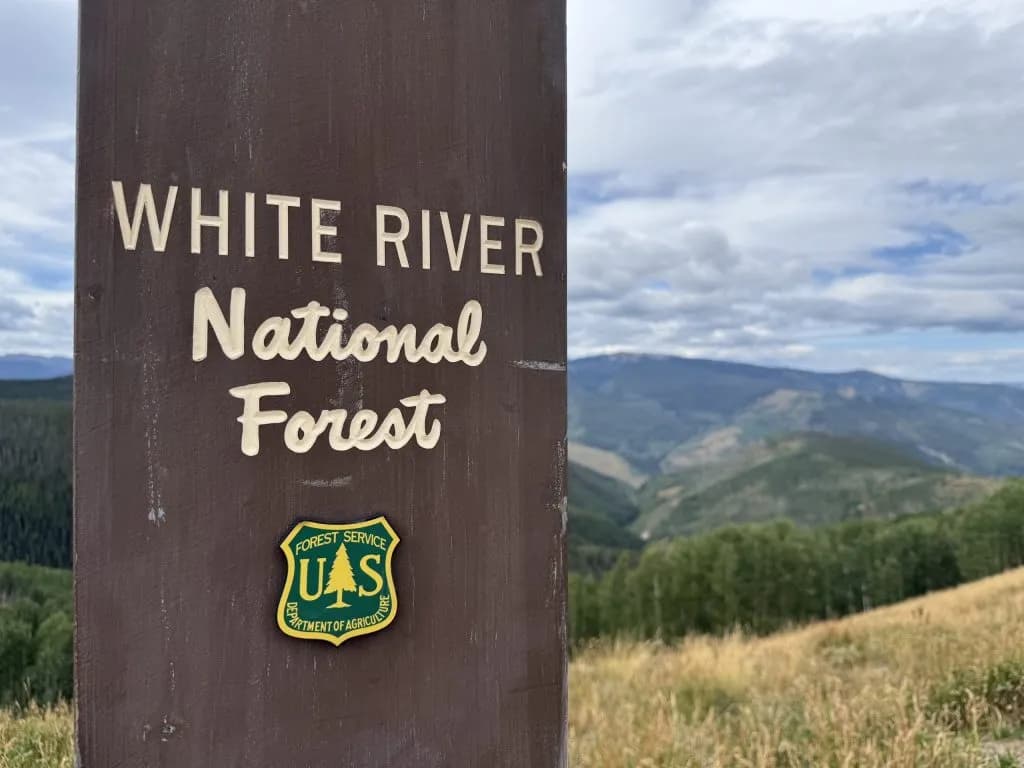
Steamboat Springs —On a windy afternoon along the I-70 corridor, the landscape offers a stark visual argument for the bill currently clogging the Senate’s queue. To the west, the sagebrush stretches unbroken, a critical migratory corridor for elk and pronghorn that has survived decades of encroachment. To the east, the Front Range skyline is hazy, the air quality index climbing yet another notch toward unhealthy territory. This is the exact terrain where the Bipartisan American Affordability and Jobs Act of 2026 (BAAJA) intends to draw new lines — literally and legally.
Let’s do the math on the scope of this legislation. We are talking about a 417-page document that doesn’t just tweak a few regulations; it fundamentally rewrites the rulebook for federal land management. The bill proposes substantial revisions to four major pillars of environmental law: the Clean Water Act, the Endangered Species Act, the National Environmental Policy Act (NEPA), and the National Historic Preservation Act. On paper, the goal is efficiency — cutting through the red tape that slows down energy projects and infrastructure. In practice, critics argue it creates a fast lane for specific industries while sidelining local voices.
The tension is sharpest over who gets a seat at the table. The bill aims to streamline permitting for mining, oil and gas, and data centers on public lands. For environmental groups, this is less about speed and more about control. A letter signed by 29 Colorado organizations warns that the legislation would effectively lock in fossil fuel leasing across the state, overriding local and tribal input. The concern is that once a project is approved under these new streamlined rules, it becomes nearly impossible to reverse, even if local communities or state agencies later decide the trade-off wasn’t worth it.
The political dynamics in Colorado are adding fuel to the fire. During the initial Senate vote to advance the legislation on November 9, the state’s two senators found themselves on opposite sides of the aisle. Sen. John Hickenlooper voted in favor, framing the measure as a necessary step to lower electricity bills and accelerate clean energy projects. He argued that the bipartisan nature of the deal would help hold Big Tech accountable and protect clean energy investments from administrative overreach. His counterpart, however, voted against advancement, joining a broader bloc of skeptics who view the environmental concessions as insufficient given the scale of development permitted.
For folks in the valley, the stakes extend beyond abstract policy debates. The bill’s provisions directly impact the land base that defines local identity and economy. If the "fast track" provisions pass, we could see a surge in well pads and transmission lines cutting through habitats that currently serve as buffers against urban sprawl. The letter from the 29 organizations specifically highlights the risk to the "last intact habitat" for species like the greater sage-grouse. This isn’t just about saving a bird; it’s about preserving the ecological services, water filtration, soil stability, biodiversity - that keep the valley livable.
There is also a significant economic angle that often gets lost in the environmental rhetoric. Proponents, including Hickenlooper, point to the potential for data centers to pay their "fair share" in revenue sharing, a concept that could generate new tax bases for rural counties. For a town like Steamboat or Vail, the prospect of hosting a major data center could bring jobs and infrastructure upgrades, but it also brings heavy water usage and energy demands. The bill attempts to balance these interests by mandating certain environmental standards, but whether those standards are robust enough remains a point of fierce contention.
As the final vote approaches in the Senate, the outcome will hinge on whether enough members can bridge the gap between those prioritizing energy independence and those prioritizing environmental preservation. For Colorado, the result will determine whether our public lands remain a shared resource or become a patchwork of private interests. The next few weeks will reveal which vision of the future has the stronger mandate.
Keep up with Steamboat Springs
The day's Western Slope news, one email each morning. Free.


Steamboat Real Estate Week Hits $22.6M With Maloof's $10M Purchase

Ken Salazar Argues Climate Policy Would Anchor 2024 Bid