Basalt Launches Free Curbside Chipping Program to Reduce Wildfire Risk
The Wildfire Collaborative and Eagle County have launched a new program to help Basalt residents reduce wildfire risk through free curbside chipping of yard debris.
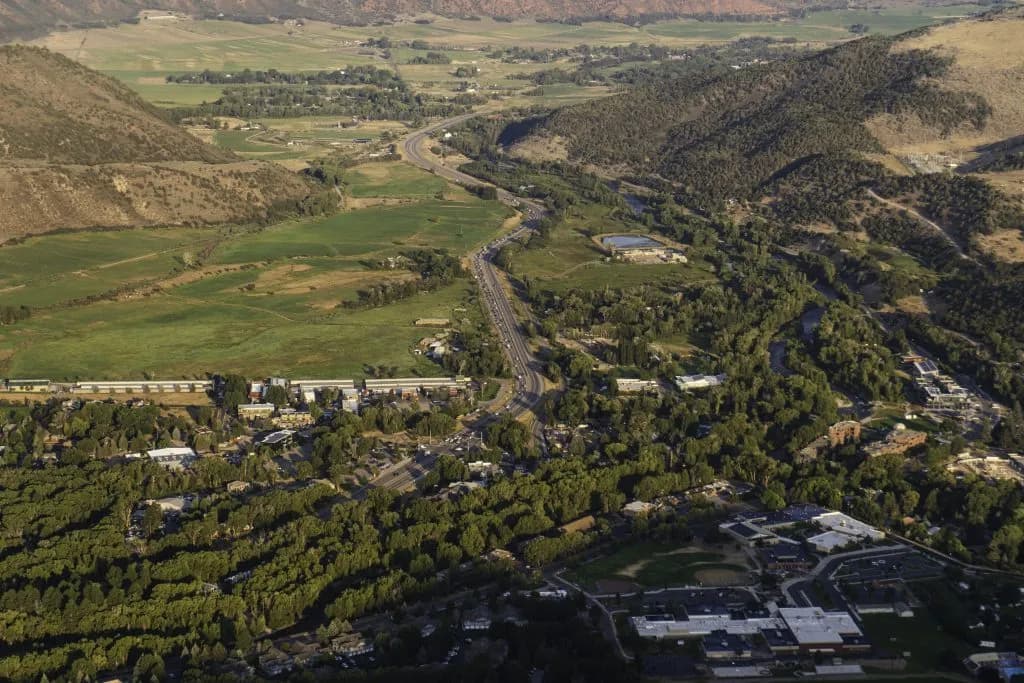
Aspen —As I stand at the edge of the valley, the dry air whispers warnings of a fire season that's unfolding earlier and drier than almost any other year on record, the rustling of leaves and snapping of twigs underfoot a reminder of the dense vegetation that blankets the landscape, and the steep terrain that makes it so vulnerable to the ravages of wildfire. The sun beats down, casting long shadows across the floor, where homes, some old and closely spaced, seem to stretch on forever, their wooden roofs and decks a potential tinderbox, waiting to be ignited by a stray spark. It's a critical moment for our valley, as Angie Davlyn, executive director of the Wildfire Collaborative, so aptly put it, a moment that demands attention, and action, from all of us, as we work to reduce the risk of wildfire, and mitigate its impacts on our communities.
The Wildfire Collaborative has partnered with Eagle County to launch a new, free curbside chipping program for yard debris, aimed at supporting Basalt area residents in their efforts to reduce wildfire risk, a program that builds on the success of similar initiatives in Aspen, where the fire department has been offering a community chipping program, and one that recognizes the unique challenges and opportunities of the Basalt area, with its mix of old and new homes, and its dense, dry vegetation. As I walk through the streets of Basalt, I notice the way the houses seem to blend into the surrounding landscape, their gardens and yards a tangle of trees, shrubs, and flowers, a beautiful, but potentially hazardous, mix of fuels, just waiting to be ignited, and the sound of birds singing, and leaves rustling, a stark contrast to the danger that lurks beneath the surface. The program is a crucial step towards reducing that risk, and creating a safer, more resilient community, one that can withstand the challenges of wildfire, and thrive in the face of adversity.
According to Davlyn, resilience is the ultimate goal, both at the property level and for entire communities, a goal that requires a coordinated approach, one that brings together landscape-scale fuels reduction, home and neighborhood mitigation, and stronger evacuation planning, alongside efforts to help residents understand their risk, and take action to reduce it. As I talk to residents, I sense a deep-seated desire to protect their homes, and their community, a desire that is tempered by a realistic understanding of the risks, and the challenges, that they face, and a willingness to work together, to find solutions, that benefit everyone. The Wildfire Collaborative's Chipper Day Reimbursement Program is another key initiative, one that provides 50% reimbursement, up to $500, for residents, HOAs, neighborhoods, road associations, and even individual homeowners with more than five acres, to organize chipper days, and dispose of slash from mitigation work, a program that recognizes the importance of community-led initiatives, and the role that individuals can play, in reducing wildfire risk.
As Kelsy Been, Director of Community Resilience for the Wildfire Collaborative, notes, clearing out excess vegetation, and slash, is one of the most critical, and successful ways to change how fire behaves, when it reaches communities, a way to reduce the amount of fuel available, and make fires burn less intensely, spread more slowly, and become less likely to reach tree canopies, or structures. The sound of chippers, and the smell of freshly cut wood, are a familiar sight, and smell, in the Basalt area, as residents work to create defensible spaces, around their homes, and reduce the risk of wildfire, a risk that is very real, and very present, in this beautiful, but fragile, landscape. In some cases, treated areas burn only a fraction of what untreated areas do, a stark reminder of the importance of proactive mitigation, and the role that each of us can play, in reducing the risk of wildfire.
The Wildfire Collaborative, and Eagle County, have each budgeted $50,000 for this project, an estimation based on the costs of other similar chipping programs, that Eagle County runs in the Eagle River Valley, a significant investment, in the safety, and well-being, of the community, one that recognizes the importance of proactive mitigation, and the role that government, and community organizations, can play, in supporting, and empowering, individuals, and communities, to take action, and reduce their risk. The eight-week program will collect yard debris, and provide a safe, and efficient way, for residents to dispose of it, a crucial step, in reducing the risk of wildfire, and creating a safer, more resilient community, one that can thrive, in the face of adversity, and one that is worth the effort, and investment, that we are making, to protect it.
As I look out over the landscape, I am reminded of the beauty, and the fragility, of this place, where the houses and trees are intertwined, and the sound of the wind rustling through the trees is a reminder of the power, and the beauty, of nature, a power, and a beauty, that we must respect, and protect, as we work to reduce the risk of wildfire, and create a safer, more resilient community, one that can thrive, for generations to come. The sound of the wind, rustling through the trees, is a reminder of the power, and the beauty, of nature, a power, and a beauty, that we must respect, and protect, as we work to reduce the risk of wildfire, and create a safer, more resilient community, one that can thrive, for generations to come.
Keep up with Aspen
The day's Western Slope news, one email each morning. Free.

S&P 500 Slips Modestly as Weak Retail Sales and Oil Prices Drive Market Correction

Aspen Essay Connects Generations Through Highway 82 Landmarks