Beaver Creek Ski Resort Closes Early Due to Lack of Snow
Beaver Creek's ski season ended two weeks early due to unseasonable warmth, affecting the local economy and raising concerns about climate change's impact on the ski industry.
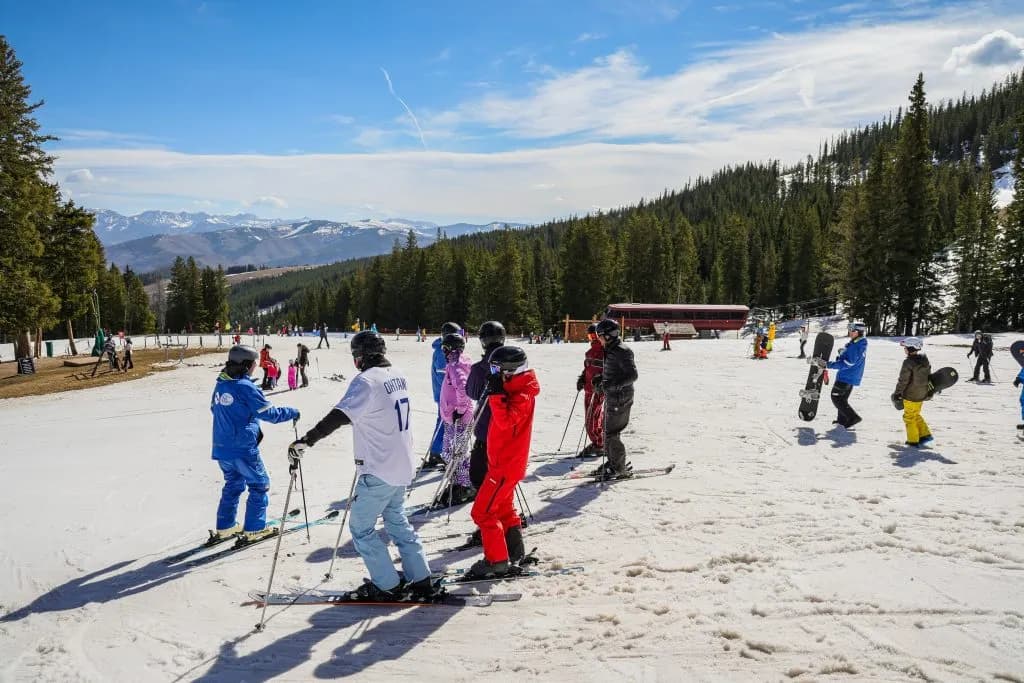
Aspen —Make no mistake, the unseasonable warmth that cut Beaver Creek's ski season short will have lasting effects on the local economy — that's what happens when a resort closes two weeks early. The 126 inches of snow recorded this season is just 39% of the resort's average, and this shortfall is a significant concern. Todd Jackson, a Vail area local since 1968, said it was one of the shortest ski seasons he's ever seen — "Winter didn't really come this year," he stated.
The resort's Closing Day, which took place on a hot and sunny Sunday, felt like a typical end-of-season celebration, with skiers dressing up in costume. But beneath the surface, there's a sense of unease. Jackson, who enjoyed his last day of skiing at Beaver Creek, doesn't plan on heading to Vail Mountain, which will remain open until its scheduled closing date of April 19.
The question is, will others follow suit, or will they stick to Vail Mountain, hoping to get in a few more days on the slopes? Vail Mountain management is pushing forward, reinforcing the message that they'll stay open as planned. However, the fact remains, Beaver Creek's early closure is a blow to the local economy. It's worth watching how this affects businesses in the area, particularly those that rely on ski tourism. The short version is, this isn't just about a resort closing early, it's about the ripple effects that will be felt throughout the community. Read that again: 126 inches of snow is just 39% of the average. That's a significant shortfall, and the resort can't simply make up for it. The lack of snowpack is a problem with far-reaching implications, affecting not just the ski industry but also the broader community.
It's not the first time Beaver Creek has closed early, of course. In 1980, the resort was forced to close due to lack of snow, and in 2020, all ski resorts in Colorado closed on March 14 due to the COVID-19 pandemic. But this year is different; there's no natural disaster to blame, just a persistent lack of snow. And that means no refunds for season pass holders, according to Vail Resorts' "Epic Coverage" policy. The policy only covers natural disasters like floods, hurricanes, and wildfires, not snow levels or other weather-related events.
As the community looks to the future, it's clear that this isn't just a one-time issue. The effects of climate change are being felt across the Western Slope, and the long-term sustainability of our local economy is at stake. For now, though, the focus is on the immediate impact of Beaver Creek's early closure. The resort may be closed, but the conversation is just getting started.
Keep up with Aspen
The day's Western Slope news, one email each morning. Free.