Boulder Lab Faces Funding Freeze Threatening Climate Research
The University of Colorado Boulder's Cooperative Institute for Research in Environmental Sciences is facing a funding freeze, putting climate research at risk. Half of the staff at the NOAA Global Monitoring Lab may be furloughed if federal funding is not released.
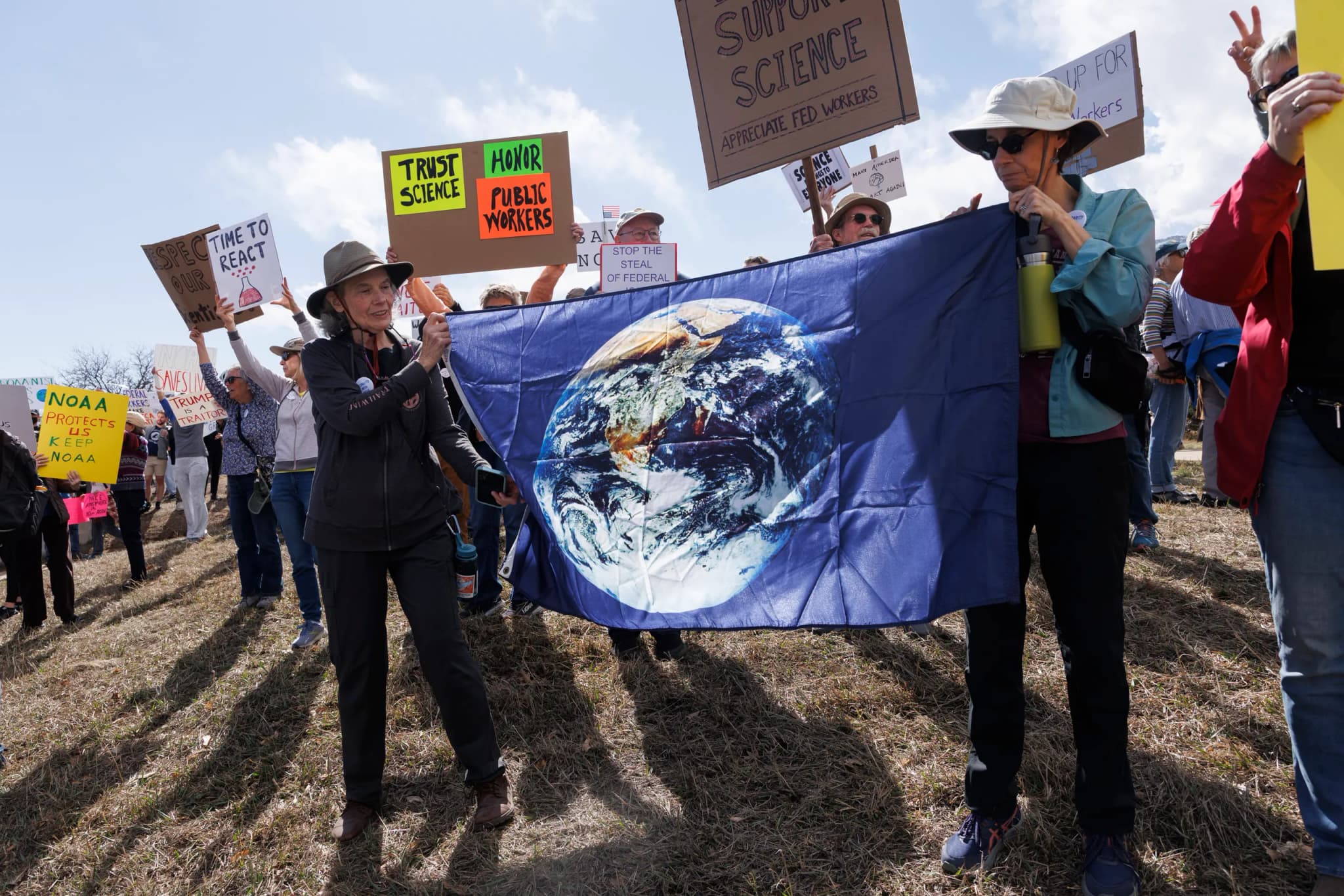
Colorado —Standing on the steps of the University of Colorado Boulder, the Flatirons rise up in the distance, a constant reminder of the region's unique landscape. But inside the university's Cooperative Institute for Research in Environmental Sciences, a different kind of uncertainty is brewing. The National Oceanic and Atmospheric Administration's Global Monitoring Lab, which tracks and analyzes greenhouse gases, is facing a funding freeze that will put half of its staff on furlough in May if federal funding is not released.
The lab's one area of focus is crucial - it monitors solar radiation, aerosols, and ozone levels, providing vital data for climate research. But the funding pause, which began on February 27, has already started to take its toll. CIRES Director Waleed Abdalati says the university can't afford to keep the lab running without federal grants, which typically fund the labs several months to a year in advance. "So when the money runs out, we need to stop the work," he says.
One thing is not right - this is not just a local issue - the Global Monitoring Lab's research has far-reaching implications for climate policy and environmental science. The university has informed 42 employees that they will be furloughed without pay on May 15 unless federal funding comes through. The furloughs would be rescinded if funding is released, but for now, the future of the lab's research is uncertain.
The funding freeze is part of a larger trend - the Office of Management and Budget has delayed the release of appropriated funds to numerous scientific agencies, including the National Institutes of Health, National Science Foundation, and NASA. The NIH and NSF have only awarded a fraction of the grants they typically award, and it's unclear when the funding will be released.
Abdalati says they did not receive official notification of a funding pause, but were told by their finance counterparts at the federal level that most NOAA grants were frozen. The grants would likely not move forward until the Trump administration outlines how it intends to spend money Congress appropriated for NOAA. "Congress has appropriated the funds, the Secretary of Commerce has approved the movement of the funds. It's just that they're not being released by the Office of Management and Budget," he says.
The university is actively engaged in advocating for the release of these funds, but it's unclear when or if they will be successful. In previous budget guidance, the Trump administration directed Congress to terminate "climate-dominated research" within NOAA and end programs that "spread environmental alarm." Congress opted not to adhere to much of the Trump administration's requests to reduce NOAA funding, but the stalled funding is still causing uncertainty for researchers.
As the situation unfolds, the fate of the Global Monitoring Lab's one key area of research hangs in the balance. The community is watching to see what happens next. Worth watching is how the university and CIRES leadership will navigate this funding freeze, and what it will mean for the future of climate research in Boulder. The short version is that one of the lab's main projects is at risk, and it's not clear what the outcome will be.
In the meantime, the university's statement on the issue says that they are "actively engaged at multiple levels to advocate for the release of these funds so the important work at GML can continue." But as the days turn into weeks, and the weeks turn into months, the uncertainty is starting to take its toll. The lab's employees are facing an uncertain future, and the community is left wondering what will happen to the research being done. Read that again - half of the staff at the NOAA Global Monitoring Lab face furloughs, and it's not clear when or if they will be able to return to work.
The impact of this funding freeze will be felt locally, as one of the region's significant scientific endeavors is a point of pride, but now it's a source of uncertainty. Folks around here are used to seeing the one place where climate research is a priority, but now it's uncertain. The community is waiting to see what happens next, and how the university and CIRES leadership will navigate this challenging situation. The fate of the Global Monitoring Lab's research will have far-reaching implications for the region, and it's not clear what the outcome will be.
Keep up with Colorado
The day's Western Slope news, one email each morning. Free.

Federal Report Sets 200,000 Acre-Foot Water Conservation Target for Upper Basin
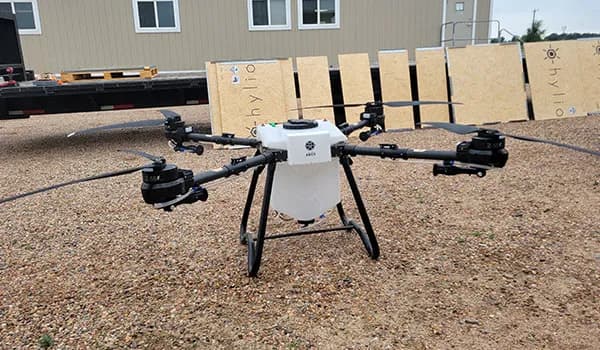
Colorado Parks and Wildlife Deploys Precision Drones for Weed Control