Boulder Experts Warn Colorado River 10-Year Plan Delays Crisis
Boulder auditorium experts critique the federal government's new 10-year Colorado River management plan as a delay tactic, highlighting the logistical challenges of two-year renegotiation cycles and the lack of long-term stability for the Southwest.
Colorado —The air in the Boulder auditorium held that specific, heavy silence that only exists when a room full of experts is waiting for the other shoe to drop. It wasn’t the comfortable quiet of a lecture hall; it was the tense, held-breath pause of a family dinner where the main course is late, and the argument in the kitchen has just escalated. Carlos de la Parra, founder of the Luken Center for Strategies on Water and Environment in Tijuana, captured it perfectly: you’re invited to someone’s home, you sit down at the table, and dinner isn’t ready because there’s an argument going on in the family.
That’s the current state of the Colorado River’s future.
For decades, we’ve operated under the assumption that water management was a long-game strategy, built on decades of stability. But as the current rules established in 2007 approach their expiration this fall, the seven states that rely on this river — Colorado, Nevada, Mexico, and others — have stopped playing the long game. They’re punting. Instead of the ambitious 20- or 30-year agreements we were shooting for, the federal government is stepping in with a 10-year preliminary plan. And for many locals who watch the water levels drop from the banks of the Grand Valley to the foothills of Boulder, the details of that compromise feel less like a solution and more like a delay tactic.
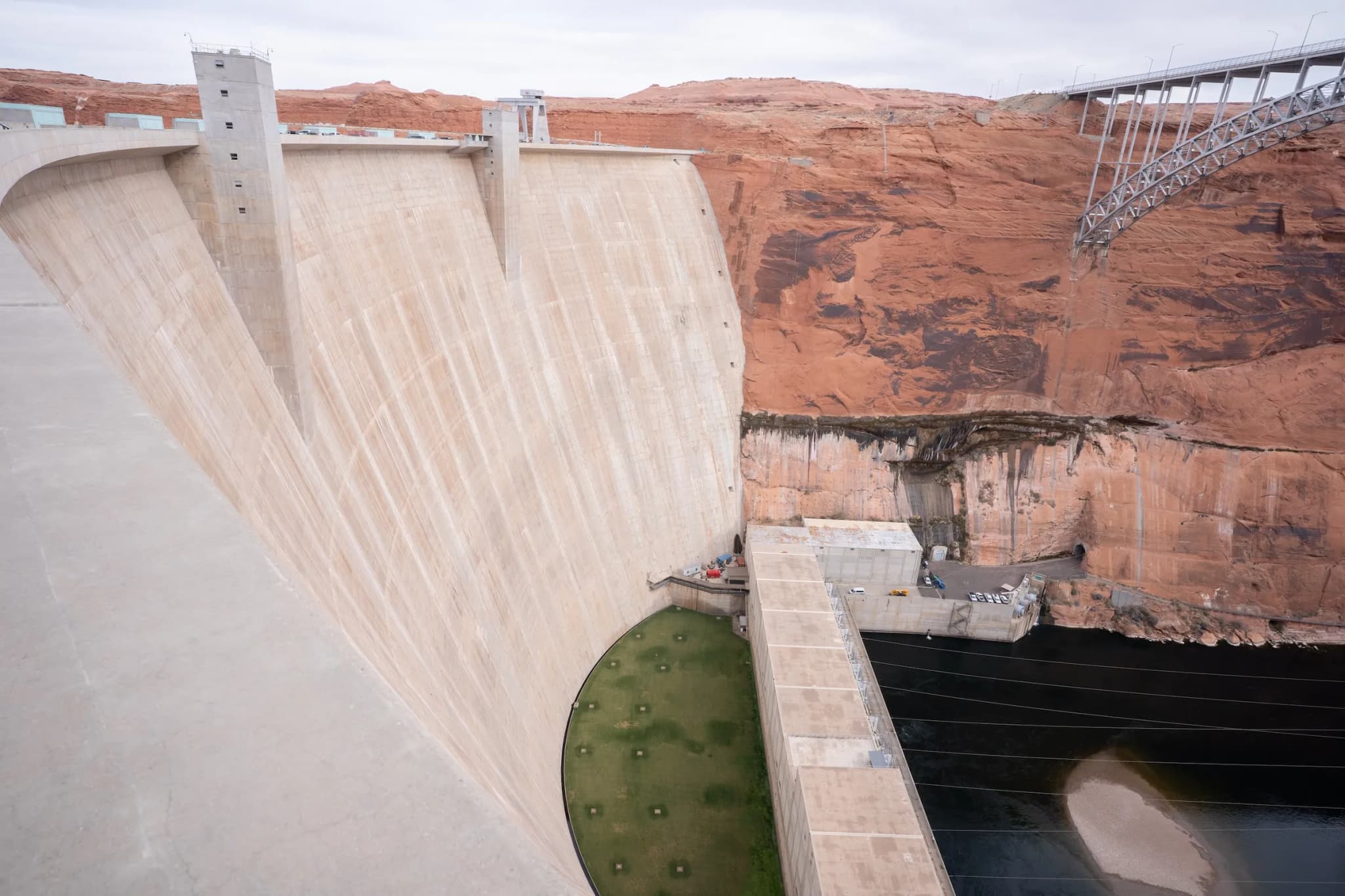
The proposal, outlined by Scott Cameron, acting commissioner for the Bureau of Reclamation, ties the management of Lakes Mead and Powell more closely to real-time conditions. That sounds reasonable on paper, adaptable, transparent, stable. But the devil is in the two-year renegotiation cycle. Every two years, the states have to agree on how to operate the reservoirs. Cameron admitted frankly that they haven’t even been able to get seven states to agree on what a simple two-year deal looks like, let alone a decade-long framework. So, they’re using the 10-year plan as a placeholder, a temporary truce until the fighting stops.
“It’s not a popular choice among some water officials,” noted Becky Mitchell, Colorado’s top negotiator on Colorado River issues. And why would it be? Mitchell pointed out the logistical nightmare of constant renegotiation. How do you fund and finance new programs if the rules change every 24 months? How do you create the certainty that 40 million people deserve? The answer, it seems, is uncertainty.
The rough plan includes conservative water use during low-flow periods and recovery periods when conditions improve, but it lacks the long-term anchor that infrastructure projects need. We’re talking about a river that feeds not just our local agriculture and municipal supplies, but the entire Southwest. When you’re trying to build resilience against climate change, you need stability. You need to know that the water rights you’re banking on today will still hold weight in 2035, not just 2028.
There’s a warmth to the idea of federal oversight, certainly, but there’s also a cold reality to the lack of state unity. The Bureau of Reclamation says they’re happy to take a seven-state agreement and supplant this 10-year framework if peace breaks out. But peace is a luxury we can’t afford right now. The final plan is expected in mid-summer, but until then, the states remain at loggerheads, each protecting their own interests while the water levels in Mead and Powell continue their slow, inexorable decline.
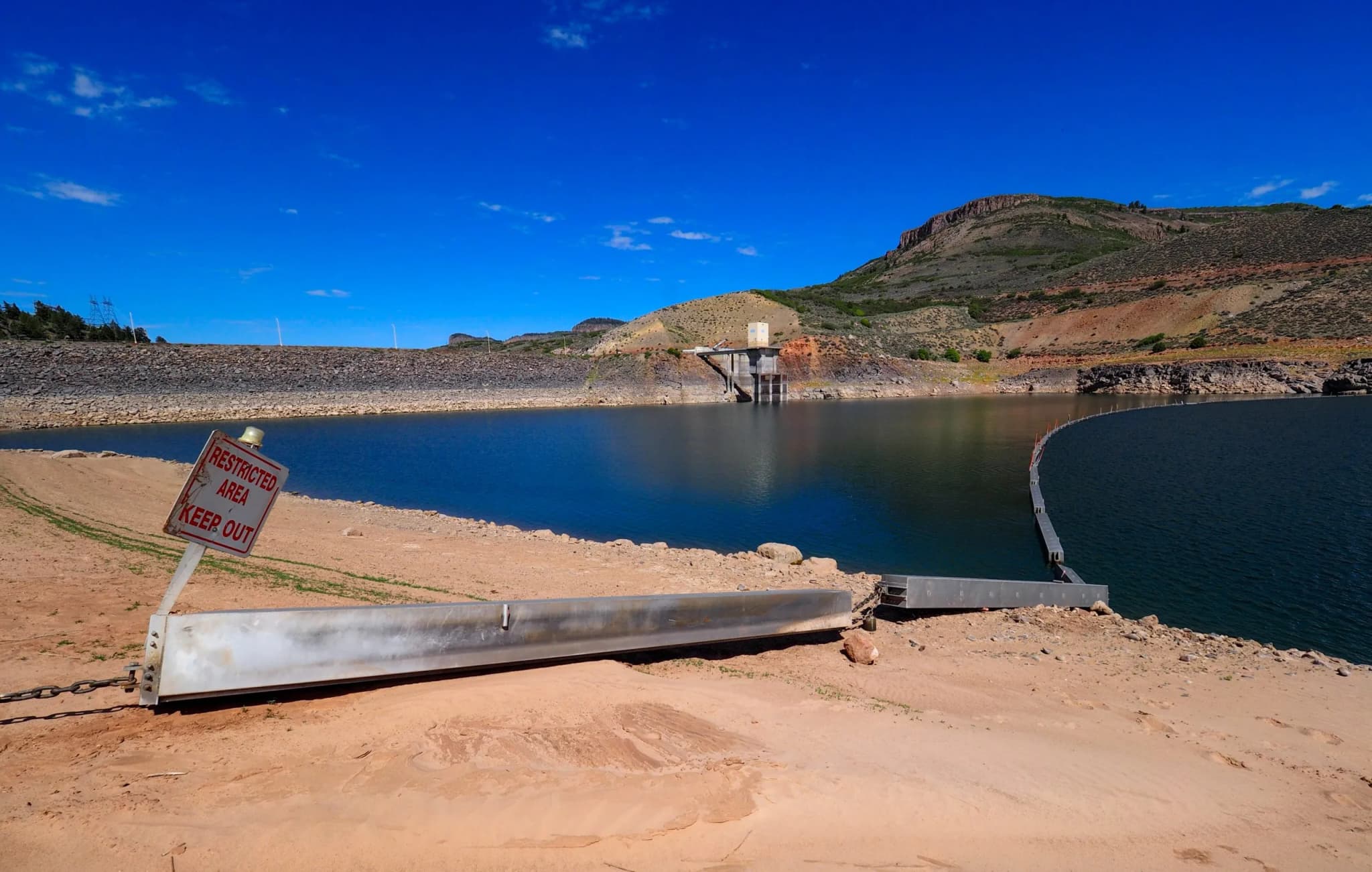
As you drive out to the reservoirs this weekend, look at the water line on the cliffs. It’s not just a statistic. It’s a reminder that while we argue over the terms of the lease, the house is still losing value. The river doesn’t care about our two-year cycles. It just flows, or it doesn’t.
Keep up with Colorado
The day's Western Slope news, one email each morning. Free.


Federal Report Sets 200,000 Acre-Foot Water Conservation Target for Upper Basin
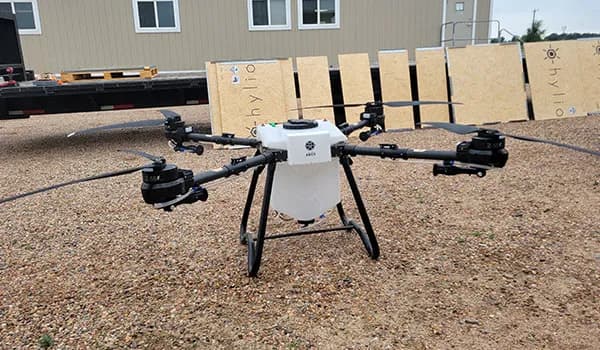
Colorado Parks and Wildlife Deploys Precision Drones for Weed Control