State Senator Meghan Lukens Defends Colorado Election Gold Standard
State Senator Meghan Lukens argues Colorado’s structural election reforms, including anti-discrimination and immigration laws, insulate the state from federal instability while strengthening local governance.
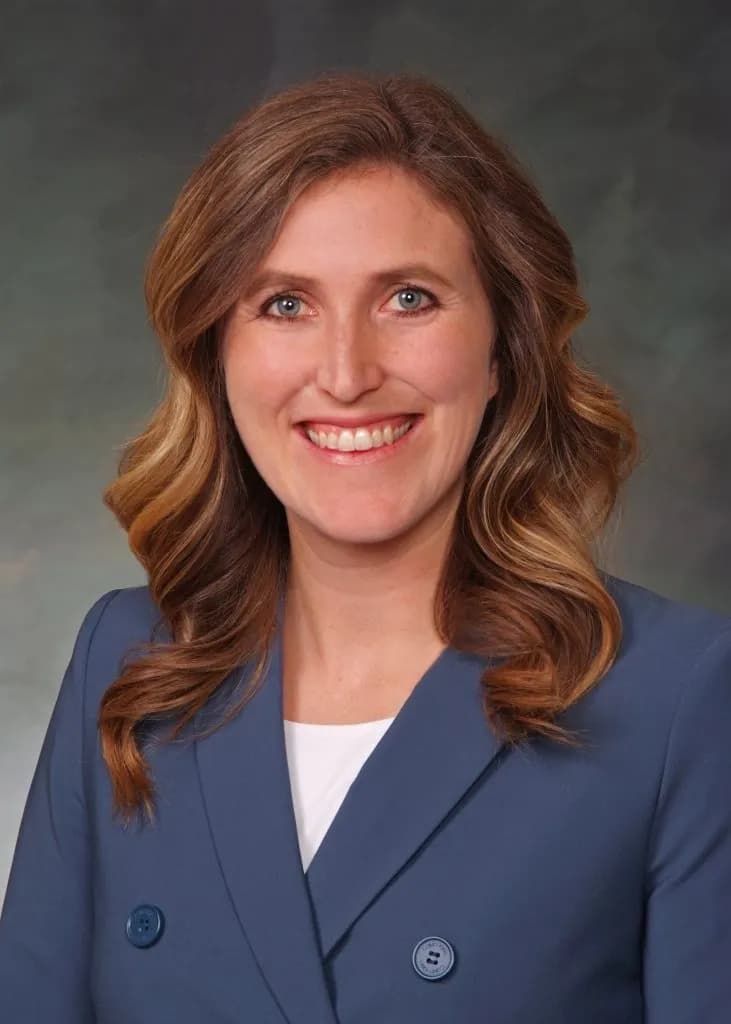
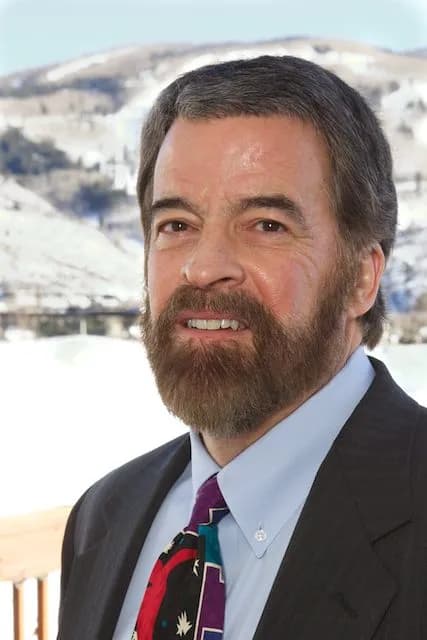
Steamboat Springs —Colorado’s election system remains the gold standard. That claim isn’t just political posturing. It is a structural reality built over two legislative sessions. State Senator Meghan Lukens delivered that assessment during her 250th anniversary of American democracy commentary, published in the Craig Daily Press.
The Fourth of July marks 250 years since the Declaration of Independence. Lukens marked the occasion walking in Steamboat Springs and Yampa parades. But her focus stays on the machinery of governance, not just fireworks. She argues that state-level action is compensating for federal instability. While Washington debates, Colorado strengthens its own constitutional framework.
The core of her argument rests on three pillars: anti-discrimination, immigration oversight, and election integrity.
Lukens points to the strengthened Colorado Anti-Discrimination Act. It now explicitly protects residents with disabilities. This isn’t a minor tweak to existing statutes. It is a broadening of the net for those historically excluded from full civic participation.
She also highlights protections for local nonprofits. These organizations, which support conservation and community services, are now shielded from politically motivated attacks. The legislation draws a line in the sand against partisan overreach targeting non-profits specifically for their policy stances.
Immigration law has shifted, too. Lukens cites new statutes designed to curb federal overreach. Employers can no longer turn over employee identification data or threaten reporting to federal authorities without cause. This protects workers from being caught in the crossfire of federal enforcement actions.
Data privacy laws have been updated to match these changes. People in immigration detention are now protected from dangerous conditions by statute, not just policy guidance. The law ensures that rights under attack are backed by Colorado’s legal system.
The most significant work, however, is in election administration. Lukens notes that mail voting and federal voter protections have faced attacks at the national level. Responsibility has shifted to the states. Colorado has passed laws to maintain free, fair, and accessible elections.
The state expanded voting windows. It added more ballot drop boxes. It established safeguards against interference from the U.S. Postal Service. These are tangible changes that locals see every election cycle.
Intimidation and coercion of voters and election workers are now legally defined threats. The law protects those casting ballots, helping neighbors vote, or running the elections themselves.
When federal voting rights weaken, Colorado law stands firm. It includes its own protections against discriminatory election practices. Access to voting information has expanded for communities that have historically faced barriers at the ballot box.
Knowledge is power, according to Lukens. The state passed new laws requiring ballot titles to use plain language. Voters can now understand what they are voting on without decoding legal jargon. The state’s Blue Book guide also spells out how measures affect residents.
This transparency is critical. It reduces the gap between policy intent and public understanding.
Lukens believes this work at the State Capitol will make the next 250 years the best for Colorado. She insists that a constitution protecting only some does not protect any. The current legislative focus is on ensuring universal protection.
The short version: Colorado is insulating itself from federal volatility through specific, enacted laws. The focus is on data privacy, non-profit stability, and clear election mechanics.
This isn’t about waiting for Washington to decide. It is about acting while others debate. Lukens walked the streets of Steamboat and Yampa to celebrate 250 years. She returned to Denver to ensure the next 250 are secure.
The question for local voters is whether they feel the difference in their daily lives. The laws are on the books. The drop boxes are installed. The ballot titles are plain.
The infrastructure is there. Now comes the test of endurance.
Keep up with Steamboat Springs
The day's Western Slope news, one email each morning. Free.