Vail Local Geoff Smith Urges Vail Associates to Sell Amid Service Complaints
Local resident Geoff Smith argues Vail Associates should sell, citing how quarterly earnings pressure degrades the on-snow experience through cost-cutting measures like reduced grooming and staggered terrain openings.
Aspen —The parking lot at Vail Mountain feels less like a recreational hub and more like a ledger. Geoff Smith stands there, watching the snow guns fire into a sky that refuses to cooperate, and he sees the math going wrong. He sees a mountain that is being squeezed, not by weather, but by the relentless, invisible hand of quarterly earnings reports.
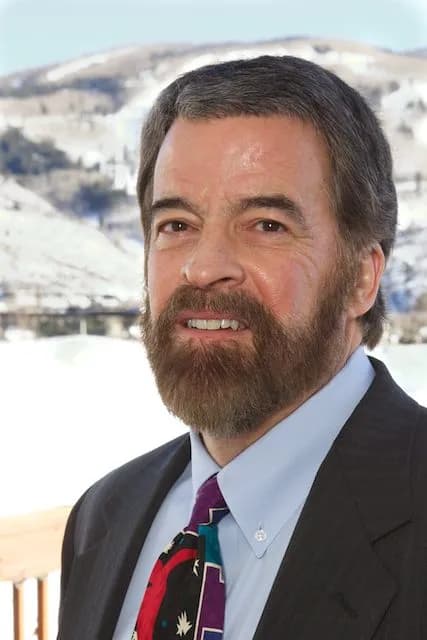
Smith, a local resident, has spent years tracking the disconnect between what skiers pay for and what they actually get. His argument, laid out in a letter to the editor published in the Vail Daily, is blunt: Vail Associates should sell. The current public ownership model isn’t just inefficient; it’s actively degrading the on-snow experience to feed shareholders.
It’s a familiar story in the valley, but Smith points to specific, tangible failures that locals live with every winter. Take the first week of December 2024. The mountains received 120 inches of snow. A natural response would be to open the gates wide. Instead, Vail staggered the opening, timing the release of terrain to coincide with the Christmas rush. They waited for the crowds to justify the cost.
Then came December 2025. Almost no snow. Yet, the number of open runs remained nearly identical to the previous year.
"This cost-saving, staggered opening practice has gone on for many years," Smith writes. "Vail defers employee start dates. Wages are restrained so the community uses its tax base to subsidize housing."
The result is a mountain that feels cheaper than it is. Smith notes that many on-mountain restaurants stayed closed until Christmas, only to shut down a month before the season ended. The snowmaking is rigid, managed on a schedule rather than on demand. Above Chair 4, the snow guns stopped firing after December 5. Smith knows this because he was watching.
The physical evidence of this cost-cutting is visible on the ground. Chronic dirt patches, particularly on lower Flapjack, never see fresh snowmaking or transported snow to cover the bare spots. Smith’s friends, who joined him for a run the second week of December, decided they were done. They stopped coming.
The infrastructure isn’t keeping up with the volume. Building extra lift capacity is a tax-favored way for Vail to invest, but Smith argues that the massive increase in skiers means more terrain should be available to prevent on-slope crowding. More terrain means more grooming. Yet, roughly six years ago, Vail cut its groomer fleet in half.
"Groomers can’t keep up," Smith notes. While premier European mountains groom every run every day, very few runs in Vail are groomed daily. Much of that grooming is just to maintain the roads. Thousands of acres of ungroomed runs sit empty after a fresh dump, offering joy for a day or two before becoming ghost towns.
Smith asks locals a simple question: How many of you have ridden up Chair 9 and seen 100 skiers on the groomed Slot while Milt’s Face and Headwall sit empty?
The food is mediocre. The prices are high. And the bottom line is that Vail cannot achieve its growth, gross margin, and net revenues without skimping on the very things that make a world-class mountain world-class.
A private buyer, Smith argues, doesn’t have to answer to the stock market. They can still make a healthy profit while increasing operating costs to improve the experience. The key is letting Vail Associates step aside.
Stand there long enough and you realize this isn’t just about ski conditions. It’s about who controls the valley’s identity. When the snow melts, the financials remain. Smith wants the community to have a better chance at the mountain experience they expect, not just the one the stock price allows.
Keep up with Aspen
The day's Western Slope news, one email each morning. Free.