Rep Lauren Boebert Targets $287M Fulbright Program in Budget Bill
Rep Lauren Boebert introduced Amendment 110 to slash $287.8 million from the Fulbright Program, threatening funding for Colorado students like a Centennial woman who taught in Mongolia after losing her home to fire.
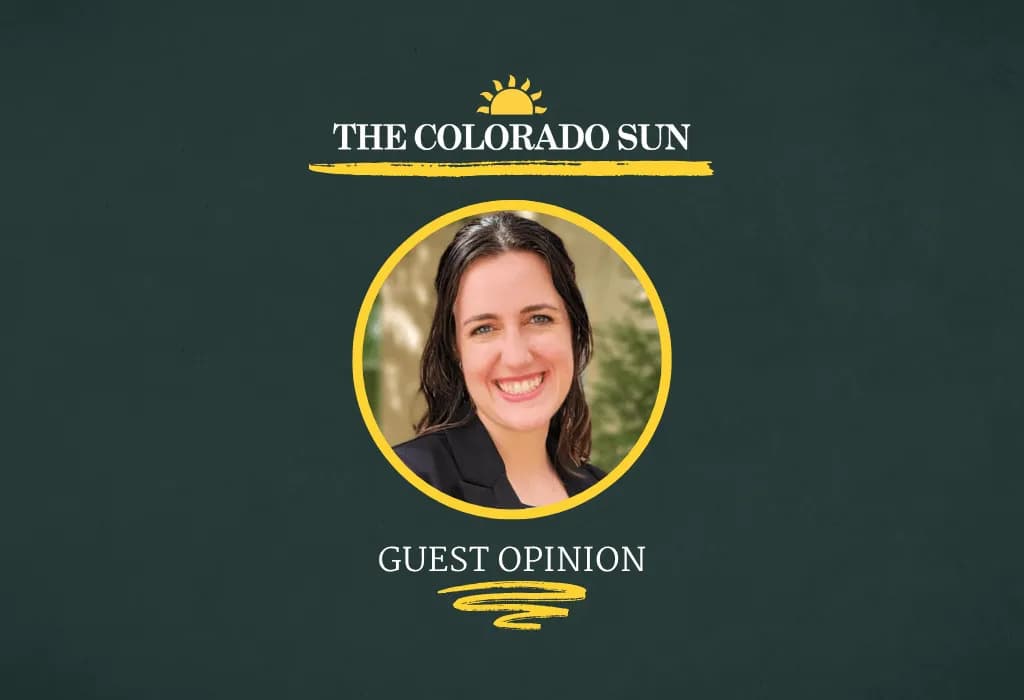
Colorado —"Stand there long enough and you realize the fire didn’t just take my roof; it took my certainty."
That is how Lauren Boebert’s colleague in the House of Representatives might describe the stakes of Amendment 110, though Boebert herself has been quieter on the personal impact. The Colorado U.S. Rep. introduced the amendment on June 17 to the 2027 State Department funding bill with a clear goal: eliminate $287.8 million in federal funding for the Fulbright Program. It is a significant chunk of money, one that supporters argue builds bridges and detractors claim is a bureaucratic drain.
But for the person writing the opinion piece in the Colorado Sun, the cut isn’t just a line item in a budget spreadsheet. It is a direct threat to a lifeline that arrived two weeks after her world collapsed.
The narrative begins in Centennial, on a sunny June afternoon in 2023. A fire ripped through a condominium building, the flames battling inside the structure until the roof gave way. The destruction was total. The event was broadcast live on FOX31 News, turning a private tragedy into public spectacle. That same evening, as the author’s family drove her back to her childhood home in Elizabeth, an email arrived. She had been selected for the Fulbright Program to teach in Mongolia. She had two weeks to decide.
It wasn’t a coincidence that she landed there. As a fourth-generation Coloradan who grew up in rural Elizabeth and spent summers on her grandparents’ cattle ranch in Fowler, she understood the value of community support. Scholarships from her hometown, including one from the Elizabeth Firefighters Community Foundation, had paved the way for her undergraduate degree in business and teaching English, followed by an MBA. But the bridge to Mongolia was already built before she even applied. Denver and Ulaanbaatar have been official sister cities since 2001, anchoring a vibrant Mongolian diaspora right here in Colorado. Members of that local community tutored her in the language, giving her the confidence to take the leap.
In August 2023, she arrived in Ulaanbaatar with two suitcases. Fulbright covered the flight, provided a stipend for necessities, and connected her to a cohort of fellows from across the United States. Her host university prepared a furnished apartment, which became her first stable home after the fire. For 10 months, she taught English at the Mongolian University of Science and Technology, traveling across a country that reminded her of home. She visited nomadic families whose relationship with land and livestock mirrored her grandparents’ ranch. In the classroom, she watched students who had never met an American grow confident enough to debate and present in English.
On Thanksgiving, she shared U.S. history and what gratitude means in her culture. She eventually opened up about her own experience of loss. The Mongolian people responded with overwhelming compassion.
This is the human engine behind the $287.8 million Boebert wants to slash. The program, founded in 1946, was built on the simple idea that cultural exchange builds mutual understanding between countries. In 2023 alone, it supported 155 Colorado participants — 79 going abroad and 76 international participants coming here.
The part everyone skips past when debating foreign aid is the return on investment measured in stability and connection. The author didn’t just teach; she healed. She didn’t just travel; she anchored herself in a new place that felt familiar. If the funding goes, the next Coloradan facing a sudden loss might not get that email two weeks later. They might not get the flight, the stipend, or the apartment. They might just get the news, broadcast live, and have to figure out the rest on their own.
The amendment moves to cut the program entirely. It is a national security program, proponents argue, because understanding the world starts with knowing one person in it.
Keep up with Colorado
The day's Western Slope news, one email each morning. Free.


Federal Report Sets 200,000 Acre-Foot Water Conservation Target for Upper Basin
Colorado Parks and Wildlife Deploys Precision Drones for Weed Control