Boulder Thrift Store Owner Loses Money to Keep Prices Low
Jennifer Greany, owner of Pig + Pearl in Boulder, keeps clothing prices low despite losing money, as rising costs and professional resellers threaten the affordability of traditional thrift stores.
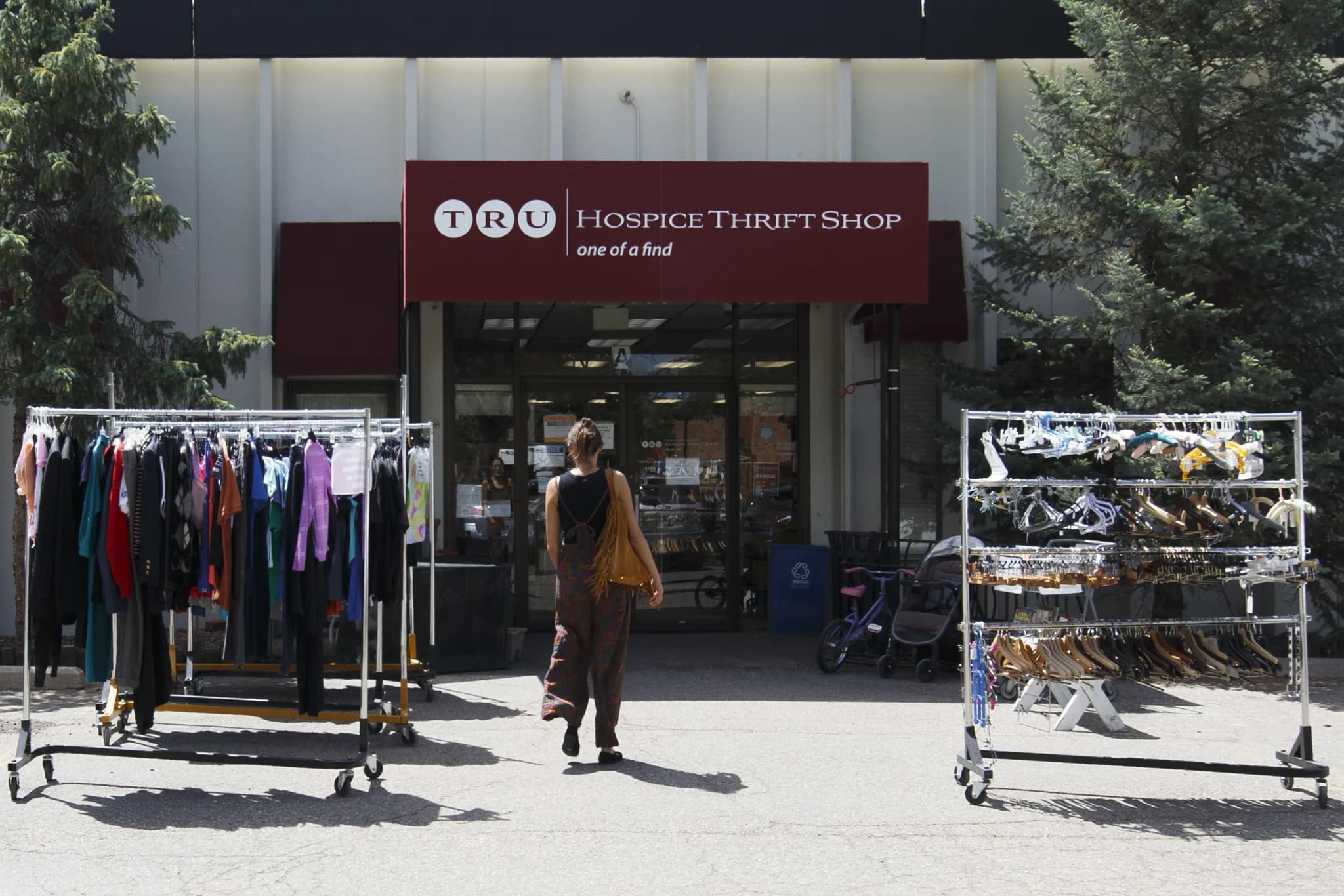
Colorado —The air inside Pig + Pearl Secondhand smells of old paper, dust, and the faint, metallic tang of Arapahoe Avenue traffic drifting through the open door. It is a specific kind of quiet, broken only by the rustle of fabric and the low murmur of a family debating the merits of a pillowcase. Jennifer Greany watches them, her hands busy organizing racks, feeling the weight of a shift that has nothing to do with inventory and everything to do with survival.
Here, behind Snarf’s Sandwiches, about 2.5 miles east of central Boulder, the myth of the universally affordable thrift store is unraveling.
For years, we’ve been told that thrifting is the great equalizer, a way to stretch a dollar while saving the planet. But look closer at the aisles, and you’ll see the cracks in that narrative. Greany’s shop, once known as Ares Thrift Store before being bought out by developers eyeing luxury condos, now sells donated clothing for $1 to $3 per item. It is, by all traditional metrics, cheap. Yet, Greany admits they are losing money just to stay open. They are here out of spite, she says, supplementing in-store sales with online auctions to keep the lights on and support animal-rescue organizations.
The irony is thick enough to cut with a knife. As the gap between the top income earners and the bottom widens, thrifting has evolved from an accessible source of clothing into a market that favors those who can afford rising prices. It’s no longer just about finding a good deal; it’s about competing with professional resellers who view the same racks as a goldmine.
Consider the family in the store. They roam the aisles with furrowed brows, holding up sheets and bedding, speaking in hushed voices. When Greany tells them each item is no more than $7, tears of joy escape. That emotional reaction isn’t just about the price tag; it’s about the relief of finding something in a world where everything else seems to be getting more expensive. But that relief is becoming a luxury in itself.
Moody’s Analytics reports that U.S. consumers in the top 20% are hitting multidecade highs in discretionary spending, while the rest of us are tightening belts. The market dynamics have shifted. Thrifting is now motivated by environmentalism as much as economics, and an increasing number of shoppers see financial opportunity on the same racks. They sift through clothing and household items, not just to wear, but to resell. With an increase in the value of secondhand items comes a wave of rising prices, changing the once-emphasized affordability of thrifting.
If you walk into a high-end thrift store in Boulder, you might not notice the change immediately. The racks look full, the lighting is warm, and the music is soft. But if you look closely, you’ll see the items that have been pulled aside, the ones with the highest resale potential. The rest of us are left with what’s left, paying more for less.
Greany’s store has faced its own hurdles — years of construction, traffic detours on Arapahoe Avenue that kept customers away, and the constant threat of being priced out of the neighborhood again. Yet, they persist. They sell donated secondhand clothing for pennies on the dollar, earning their bona fides as one of the cheapest thrift stores in Boulder. But at what cost?
The story of Pig + Pearl is not just about one shop in Boulder. It’s about a community trying to hold on to something tangible in a digital, inflated economy. It is about the family that cries when they find a deal, and the owner who loses money to keep that deal available. It’s about the tension between profit and purpose, between the reseller who sees a dollar and the shopper who sees a dollar’s worth of relief.
Outside, the sun dips below the foothills, casting long shadows across the pavement. A car passes, the engine humming a low note that vibrates in the chest. Inside, Greany folds a shirt, smooths out a wrinkle, and waits for the next customer to walk in, hoping they can afford the price of admission.
Keep up with Colorado
The day's Western Slope news, one email each morning. Free.

NWRM CASA Honors Judge O’Hara and Founders at 15th Anniversary

Craig Hosts Only Regional Special Olympics Bowling Competition
Parachute Bike Clinic Seeks Permanent Home After 66 Free Repairs

Federal Report Sets 200,000 Acre-Foot Water Conservation Target for Upper Basin

Colorado Parks and Wildlife Deploys Precision Drones for Weed Control