Brent Crude Tops $100 as Middle East Attacks Spike Western Slope Gas Prices
Brent crude breached $100 Wednesday after US strikes on Iranian tankers and renewed Middle East attacks. Western Slope residents face rising pump prices while Trump predicts relief only after November midterms.
Aspen —“Brent breaking above $100 is a major psychological milestone for markets, but the bigger concern is what this means for inflation,” said Lukman Otunuga, market research head at global broker FXTM.
That $100 mark is back. It hit on Wednesday.
Brent crude, the international benchmark for global oil prices, climbed into triple digits after new attacks on oil facilities and ships in the Middle East. As of midday trading in New York, it hovered just above that threshold. The last time prices settled there was July.
For folks on the Western Slope, the number that matters isn’t Brent. It’s what you pay at the pump in Aspen, Glenwood Springs, or Montrose. Gasoline and diesel prices are jumping again. Crude is the main ingredient in both. When energy costs spike, they trickle down to every part of the supply chain. Groceries cost more. Clothing costs more. Cosmetics cost more.
The short version: your next fill-up is going to hurt.
This surge follows a specific trigger. The U.S. military reported striking five Iranian tankers on Tuesday. That happened in response to an attempted missile attack. It is the latest escalation in a war that has been running for over six months.
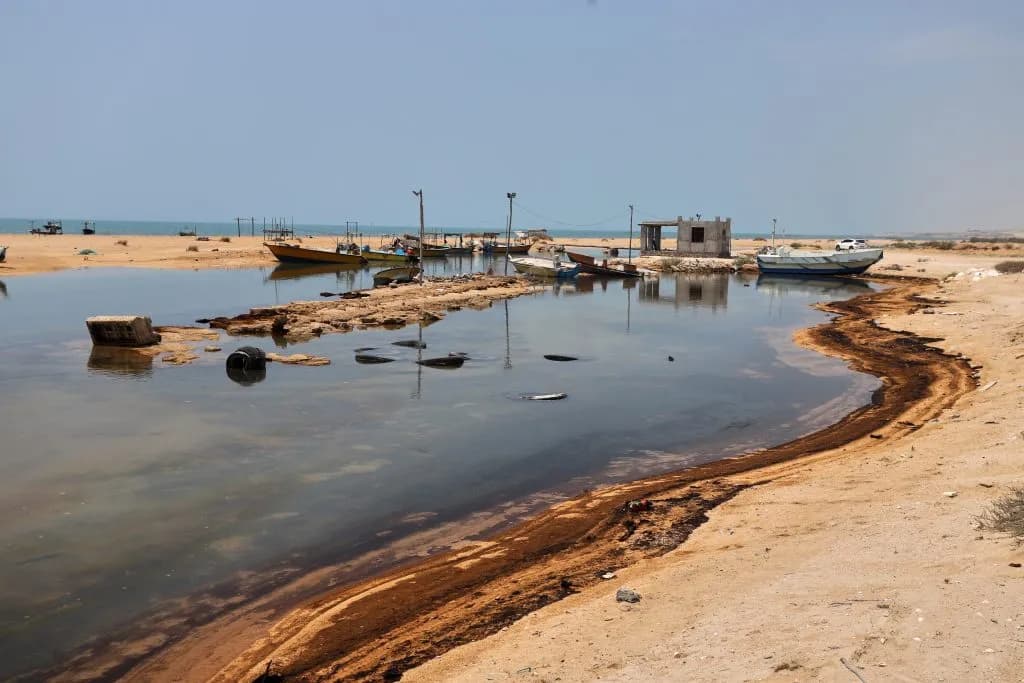
The Vail Daily reported the jump on Wednesday. The fighting has halted most shipping through the Strait of Hormuz. That narrow waterway used to carry roughly a fifth of the world’s oil supply before the conflict started. When that flow stops, prices spike.
Prices have been a roller coaster for six months. In the early days of the war, Brent briefly reached nearly $120 a barrel. It settled above $100 for a full month between late April and early May. Then, in the early summer, costs cooled. Prices plunged closer to prewar levels — roughly $70 a barrel — as hopes for peace grew and plans emerged to move oil safely out of the Persian Gulf.
Those hopes crumbled. New attacks piled up. Talks failed. Oil renewed its climb. Prices have stayed above $90 since the end of August.
President Donald Trump weighed in on Wednesday. He has repeatedly tried to downplay the war he co-launched. On this issue, he was blunt. He said oil prices likely won’t come down until after November’s midterm elections.
Read that again.
He isn’t promising relief this month. He is pointing to next November. That is a long time for local businesses and households to absorb higher energy costs.
The economic fallout of this conflict is no longer theoretical. Experts have warned that a prolonged period of steep prices worsens the damage. We are in that period now. The market whiplash we saw earlier this year is back, but with a higher baseline.
Locals in the valley have already felt the squeeze. Commuting to work, heating a home in winter, running farm equipment, every one of those costs is tied to the price of crude. When that price breaks $100, it doesn’t just stay on a ticker tape in New York. It hits the price tag at the hardware store and the grocery bill on Friday night.
The U.S. and Iran are exchanging blows again. The Strait of Hormuz is still a chokepoint. And until the fighting stops, that $100 price tag isn’t going away.
Trump thinks it will stick until the midterms. The market agrees for now.
Keep up with Aspen
The day's Western Slope news, one email each morning. Free.