Conservation Groups Sue BLM Over $70 Million Colorado Lease Sale
Two conservation groups sued the federal government Tuesday, alleging the BLM unlawfully approved $70 million in oil and gas leases that threaten elk habitats in Colorado.
Aspen —The question on every porch in the valley isn’t about federal land policy. It’s simpler, sharper: “Who gets to decide if the elk still come through my back forty?”
On Tuesday, Sept. 9, two conservation groups decided to ask a federal judge in Denver exactly that. The Wilderness Workshop, based in Carbondale, and the national nonprofit The Wilderness Society filed a lawsuit against the federal government. They claim the Bureau of Land Management (BLM) broke the law when it approved oil and gas lease sales in Colorado and Wyoming back in June. The suit names the U.S. Department of the Interior, Secretary Doug Burgum, and acting BLM directors Thomas Heinlein (Colorado) and Kris Kirby (Wyoming).
Clay Samford, an attorney with Earthjustice representing the nonprofits, didn’t mince words in a statement. He called the BLM’s failure to consider impacts on “pristine public lands and wildlife” both unlawful and shortsighted. He noted that the agency ignored potential impacts on the hunting community and millions of public lands users to please the fossil fuel industry. That’s a heavy accusation for an agency tasked with managing public land, and it lands in the middle of a summer where folks around here are already watching the dust settle on new drilling rigs.
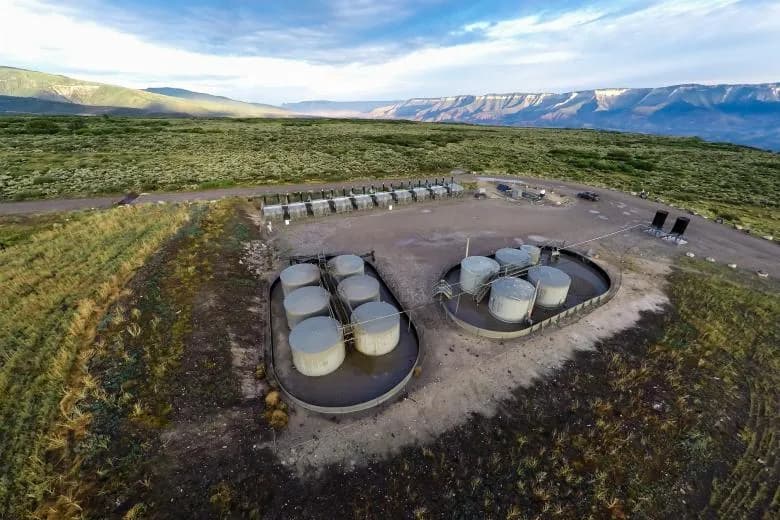
The numbers behind the lawsuit are stark. The June sales included 249 parcels covering 248,612 acres across both states, amassing around $69.9 million. In Colorado alone, the sale generated over $35.26 million from 147 parcels covering 134,173 acres. Those acres sit in Arapahoe, Garfield, Jackson, Mesa, Moffat, Rio Blanco, Routt, and Weld counties. If you live in any of those places, that’s not an abstract statistic. That’s your commute route, your hiking trail, or the ridge behind your house.
The core of the complaint hinges on what BLM’s own analysis reportedly showed. According to the suit, the agency identified numerous conflicts with crucial big game habitats and migration corridors for antelope, mule deer, and elk. Yet, the lawsuit alleges BLM offered hundreds of thousands of acres for lease without withholding any parcels based on its own preference criteria. The suit argues this violates the Federal Land Policy and Management Act, the National Environmental Policy Act, the One Big Beautiful Bill Act, and the Administrative Procedure Act.
It’s a legal argument that turns BLM against its own data. The lawsuit claims that oil and gas development “destroys and fragments big game habitat.” It goes further, suggesting that even if the habitat isn’t directly impacted, these species will avoid development areas. That’s a significant claim for local hunters and ranchers who rely on consistent game movement. If the elk stop coming, the economic ripple effect hits local outfitters, lodges, and meat processors long before it hits a federal budget line.
The BLM did not respond to a request for comment by deadline. That silence is telling, even if it’s common in these early stages of litigation. The suit asks the court to vacate the lease decisions and send them back to the BLM for further consideration. It’s a request for a do-over, not necessarily a total ban on development, but the stakes are high enough that neighbors in the valley are paying attention.
Stand there long enough and you can see the tension in the landscape. The money is already collected — $35.26 million from Colorado parcels alone. But the land is still here, and so are the animals that move through it. The lawsuit doesn’t just ask if the BLM followed a checklist; it asks if the agency respected the ecosystem it’s supposed to protect. For now, the answer is up to a judge in Denver, but the question remains local, personal, and very much unresolved.
Keep up with Aspen
The day's Western Slope news, one email each morning. Free.