Eagle County Youth Mental Health Improves Despite Young Adult Crisis
The 2025 Eagle County health survey shows teen depression rates dropping significantly, but young adults face tripled suicide attempts and caregivers report rising stress levels.
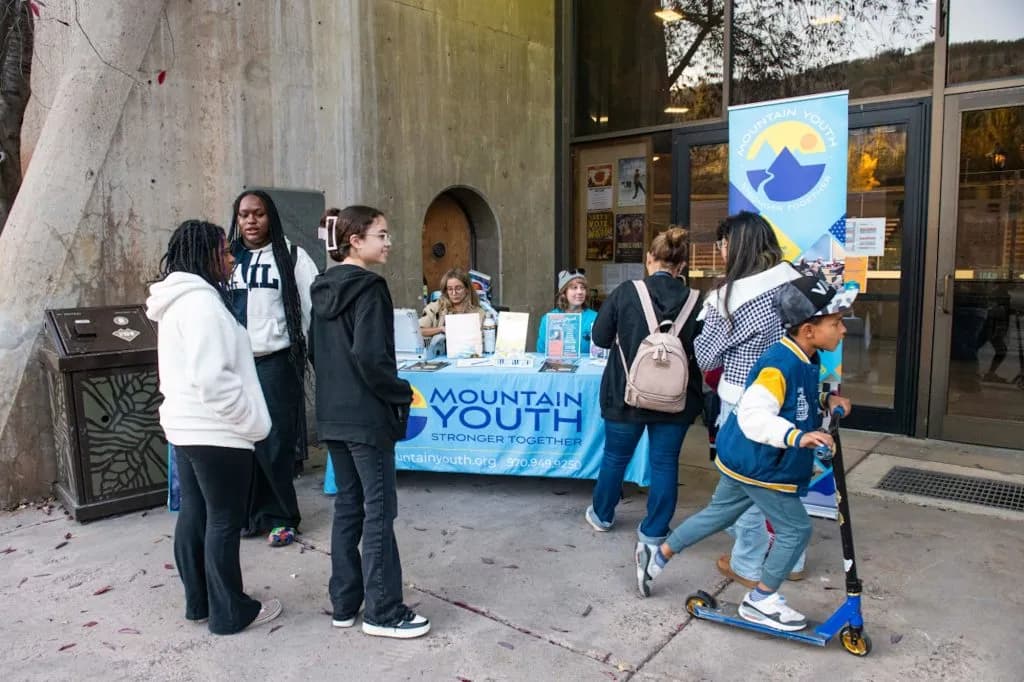
Aspen —"Both substance abuse and mental health are seeing improvement compared to past years, but there’s still work left to do."
Michelle Hartel, Executive Director of Mountain Youth, laid it out plainly in the 2025 biennial community survey results released by the Vail Daily. It’s a nuanced take, and frankly, it’s the kind of data-driven honesty locals need to hear. For context, Mountain Youth has collected this data since 2007 as the local arm of the Healthy Kids Colorado Survey. The 2025 report aggregates input from 3,370 participants across Eagle County — teens, young adults, and parents.
Let’s do the math on the mental health numbers first. In 2021, 38% of high schoolers reported depression levels that hit the survey’s indicator threshold. By 2025, that figure dropped to 21%. Middle schoolers saw a similar trajectory, falling from 27% in 2021 to 16% in 2025. The suicide data is even starker on paper: the rate of students seriously considering suicide has been reduced by nearly half since 2021. In the most recent cycle, only 8% of high schoolers and 13% of middle schoolers reported that level of ideation.
But the survey pulls back the curtain on a demographic where the trends aren’t as clean. Young adults, ages 18 to 30, face an attempted suicide rate that is three to four times higher than other age groups. Hartel noted this population got her attention specifically because the data doesn’t lie about their risk profile. On the caregiver side, suicide ideation is lower, but stress levels are becoming harder to overcome. That’s a quiet crisis in the valley — parents burning out while trying to navigate their own kids’ mental health shifts.
Substance use is a mixed bag, and the data shows exactly where the cracks are forming. Since 2017, alcohol, marijuana, and vape use have generally declined across the board. Nicotine use has trended downward for nearly two decades since the survey began in 2007. The report attributes this to young people becoming more aware of the health effects of vaping and products becoming harder to obtain. However, there is a slight uptick in middle school alcohol consumption overall, and high schoolers reported an increase in vape usage for 2025.
The most alarming data point in the entire report isn’t about volume; it’s about age. Some middle school youth are beginning to drink at the young age of 11. Meanwhile, while 10% more young adults believe alcohol to be an important part of social life compared to previous years, caregivers have actually increased their own consumption.
Hartel emphasized that this data is what allows groups like Mountain Youth, YouthPower, and SpeakUp ReachOut to secure funding for specific interventions. That includes a six-lesson curriculum on the effects of vaping and targeted mental health programming. Without these granular, local numbers, those programs are just guesses. With them, they’re targeted responses to what’s actually happening in Eagle County schools and living rooms.
The practical impact for neighbors is that the data validates a shift in local resources toward early intervention and caregiver support. The drop in teen depression is real, but the surge in young adult suicide attempts and rising caregiver stress means the community’s safety net is stretching thin. The data shows where to pull the rope.
Keep up with Aspen
The day's Western Slope news, one email each morning. Free.