Cañon City Residents Test Water Themselves After Years of Waiting
Fremont County residents bypass slow regulators to test their own water samples from the Lincoln Park Superfund site, taking control of their environmental health data.
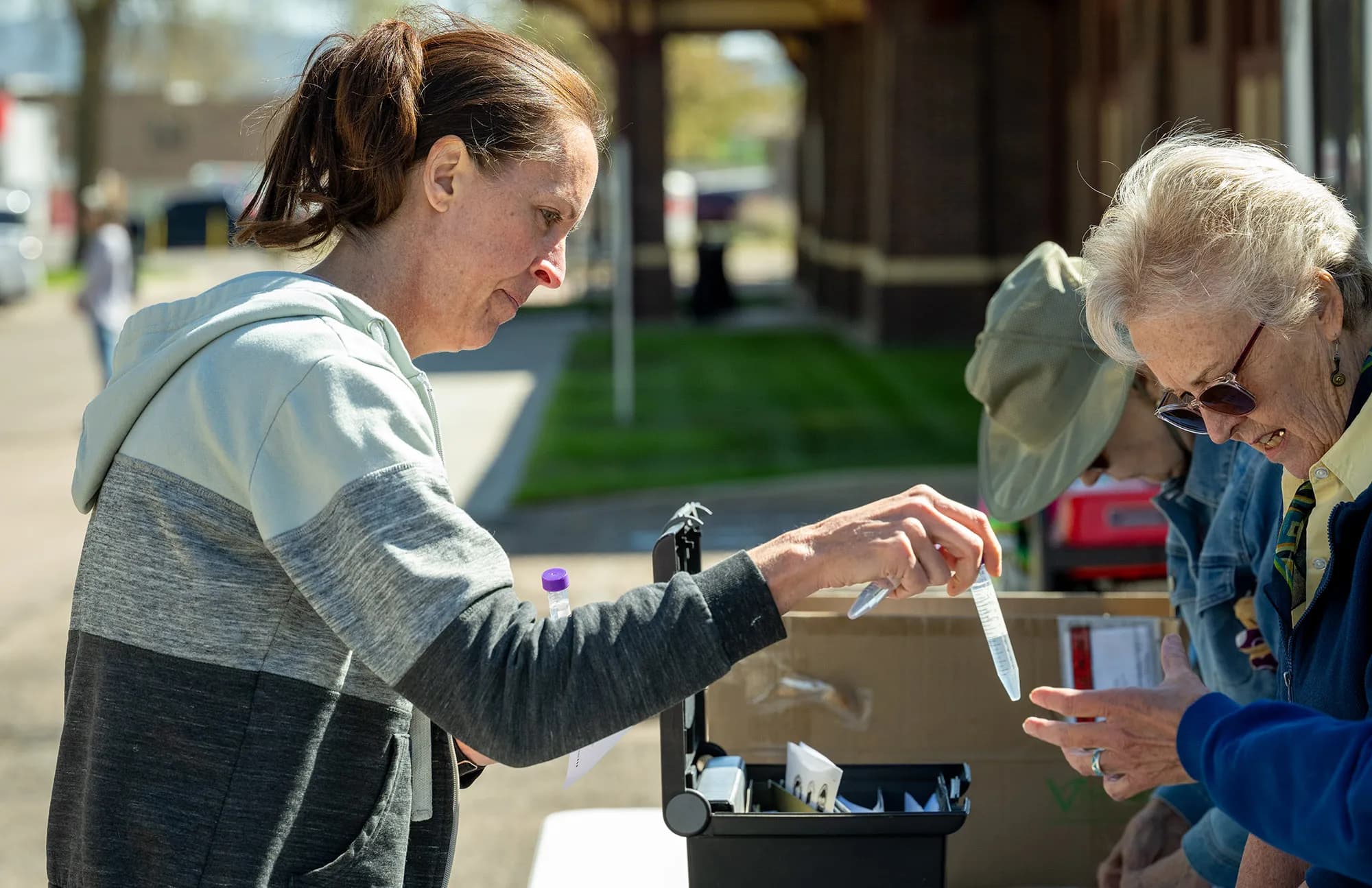
Colorado —The air in the parking lot smells like wet asphalt and old uranium dust, or at least that’s what locals swear it does. It’s a sensory trick, a collective memory of the Cotter Uranium Mill that processed more than five million tons of radioactive ore before closing its doors decades ago. But here’s the thing though: the people who were supposed to be watching the water — the state health officials and the EPA — aren’t the ones holding the test tubes right now.
They never really were.
For years, the narrative from the regulators was a steady, bureaucratic drumbeat: wait for the plan. Since 2004, Colorado health officials have tested 32 wells on private property in the suspected toxic groundwater plume south of Cañon City. Thirty-two. That’s it. Meanwhile, residents living near the Lincoln Park Superfund site have been asking for expanded testing, wanting to know if the toxins have leaked into the drainages, the irrigation ditches, and the wells that water their crops. The answer was always the same: not until there’s a formal testing plan in place.
Then, in late April, the dam broke.
Dozens of Fremont County residents dropped off more than 220 test tubes of water. They didn’t wait for a grant application. They didn’t wait for a federal memo. They just filled them. Tap water. Well water. Spring water. Irrigation ditch water. They brought it all to the Colorado Citizens Against Toxic Waste (CCAT), a Cañon City-based nonprofit, which teamed up with Veterans for Peace and the Arthur S. Ratcliffe Mobile Community Lab to offer the testing for free.
Picture this: a line of neighbors, some in work boots, some in Sunday dresses, handing over samples labeled with numbers. It wasn’t a scientific study designed by academics in ivory towers. It was a community taking back its own data.
“I just want to find out,” said Elizabeth Miller. She lives at the bottom of Pump Hill, a spot long familiar to locals for its pump house that’s now gone but whose spring water still flows through her basement. She keeps a sump pump running just to stay dry. She brought a sample from her tap and another from the spring that drains into Sell’s Lake. She’s been worried about those unknown groundwater pathways since the site was declared a Superfund site in 1984.
Jeri Fry, a co-founder of CCAT and a veteran of the Citizens Advisory Group that meets with Superfund regulators, watched the steady stream of residents drop off their samples. “Now we can make something happen that the regulators haven’t been able to make happen,” Fry said. “This is almost unbelievable. It’s so nice for the community to have answers.”
It’s not that the EPA and the state are wrong. It’s that they’ve been slow, methodical, and ultimately, out of touch with the urgency of people who drink this water every morning. The 32 wells tested since 2004 were a drop in the bucket compared to the hundreds of residents eager to test their own water. The mobile lab didn’t just collect samples; it collected agency. Within weeks, the samples will be at a lab, and the results should be back by mid-May.
And that matters because it shifts the power dynamic. For decades, the community was the subject of the study. Now, they are the investigators. The water samples sit in the mobile lab, waiting for the heavy metals and radioactive elements to reveal their secrets. The regulators can keep their plans. The neighbors have their results.
The sun dips below the Arkansas River, casting long shadows over the tailings. A single test tube sits on a counter, labeled with a number, holding a pint of water from a basement spring. It’s just water. But it’s also a question that’s been waiting forty years for an answer.
Keep up with Colorado
The day's Western Slope news, one email each morning. Free.
NWRM CASA Honors Judge O’Hara and Founders at 15th Anniversary
Craig Hosts Only Regional Special Olympics Bowling Competition
Parachute Bike Clinic Seeks Permanent Home After 66 Free Repairs
Federal Report Sets 200,000 Acre-Foot Water Conservation Target for Upper Basin
Colorado Parks and Wildlife Deploys Precision Drones for Weed Control