Canyon Spirit Train Derails on Highway 6 in Rifle After Truck Collision
A Canyon Spirit train derailed after colliding with a hot asphalt tanker truck near Mile Pond Road in Rifle, closing Highway 6 for over seven hours and stranding 310 passengers.
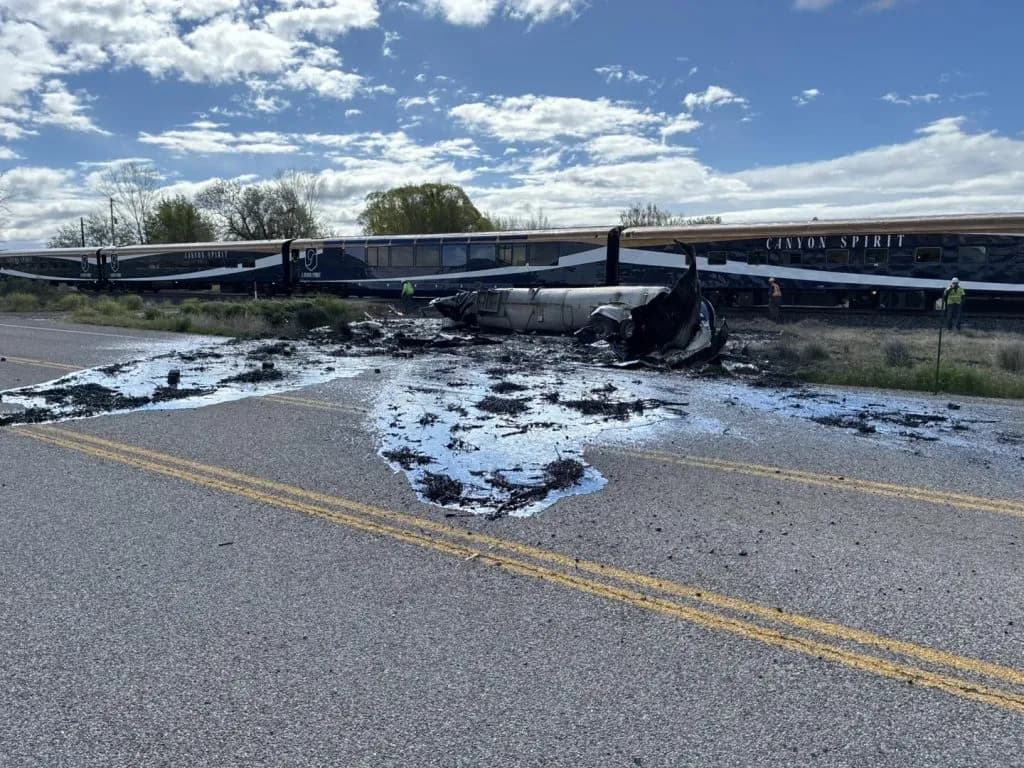
Rifle —The tanker truck was carrying hot asphalt tar. That’s not exactly a volatile cocktail for a Tuesday morning commute, but it was enough to bring the Canyon Spirit to a screeching halt.
Picture this: Highway 6 near Mile Pond Road in Rifle, usually a straight shot through the valley, now a chaotic intersection of emergency lights and confused tourists. The luxury passenger train, known for hauling travelers from Denver’s Union Station to Moab and Salt Lake City, had just finished its run through Glenwood Springs when it collided with the truck. The impact derailed the train. It closed the road. And it turned a routine Tuesday into a logistical headache for locals and visitors alike.
Here’s the thing though — the drama wasn’t in a fiery explosion or a pileup of dozens of injured souls. It was in the waiting.
Garfield County Sheriff’s Office Public Information Officer Shannon Stowe confirmed that the train was full of passengers at the time of the crash. One person was inside the tanker truck. No explosion occurred. The driver of the truck sustained minor to moderate injuries and was transported by ambulance. That’s it. The rest of the story wasn’t about trauma; it was about logistics. It was about 310 people, plus train staff, stranded on the tracks while crews figured out how to get them home.
Colorado River Fire Rescue arrived at 9:39 a.m. with two engines, two ambulances, and a battalion chief. They found the derailed train and the truck. They found the asphalt tar. And then they waited.
Stowe said Highway 6 was expected to remain closed for an extended period as crews waited for hazardous materials responders from Grand Junction to assess the scene. That wait stretched more than seven hours. The road didn’t reopen until 5:05 p.m.
And that matters because Highway 6 is the artery of the valley. When it closes, it doesn’t just affect the people on the train. It affects the folks in Rifle trying to get to work. It affects the tourists who might have been planning to detour through Silt. It affects the timing of every delivery truck on the corridor. The Colorado Department of Transportation discouraged travel in the area Tuesday night as work crews remained active near the crash site.
The Canyon Spirit, with its polished interiors and scenic views, became a stationary hotel car for the afternoon. Buses were dispatched to transport the passengers and their luggage to their final destinations. It was a smooth operation, largely because the injuries were minor and the cargo — hot asphalt tar, didn’t explode. But the sheer number of people involved; 310 souls plus crew - turned a simple collision into a major event.
The driver of the tanker truck was the only one requiring medical attention beyond basic evaluation. No additional patients required transport. The rest of the valley just had to deal with the closure.
By the time the road reopened, the sun was setting over the Grand Junction hills. The buses had whisked the passengers away. The hazardous materials team had done their job. The asphalt tar sat in its tank, unharmed. But for those seven hours, Highway 6 wasn’t just a road. It was a parking lot, a waiting room, and a reminder that even a minor crash can hold the entire Western Slope hostage.
The Canyon Spirit moves on, of course. It’s back on the rails, heading toward Moab or Salt Lake City. But the memory of that Tuesday. the smell of hot tar, the sound of sirens, the long wait for a hazmat team from Grand Junction, lingers in the dust of Mile Pond Road.
Keep up with Rifle
The day's Western Slope news, one email each morning. Free.