CDOT Begins Replacing Mountain Pass Cameras with New State Network
CDOT launches a two-year rollout of 66 new state-managed cameras on key Western Slope passes like Loveland and Berthoud to restore visibility and improve safety after the previous private contract expired.
Aspen —It’s easy to assume that when the Colorado Department of Transportation ripped down the cameras from rural mountain passes last summer, it was a calculated move to cut costs and reclaim control, leaving locals to guess at road conditions by the seat of their pants. But if you look closely at the new rollout, the narrative shifts from corporate austerity to a pragmatic, if slightly delayed, acknowledgment that the community actually needs to see what’s happening on the pavement. The state isn’t just replacing glass and wire; it’s rebuilding a nervous system for the roads we drive every day.
The CDOT has kicked off the installation of 66 new cameras across the state, a project that will stretch over the next two years with full deployment expected by fall 2027. This isn’t a quick fix. It’s a transition to what the department calls a “state-owned, state-managed network designed for long-term reliability, cost savings and operational control.” That phrase, “long-term reliability,” feels significant when you consider the chaos of the last year. The previous system relied on a private company, and when that contract expired in July, the result was a blind spot. About 136 cameras were taken down, but only about 90 of them were even operational, according to CDOT Maintenance and Operations Communications Lead Stacia Sellers. So, we lost roughly half our visibility, and now the state is stepping in to fill the gap, not with the old private infrastructure, but with its own.
For folks around here, especially those navigating the steep grades of the passes, this visibility is more than a convenience; it’s a safety necessity. Residents used those cameras to assess route conditions before heading out, a habit born of necessity in a region where a sudden snow squall can turn a commute into a ordeal. The CDOT release notes that “public feedback was helpful in identifying where on the network customer utilization of cameras concentrates,” which suggests they were listening, even if the silence of the removed cameras was deafening.
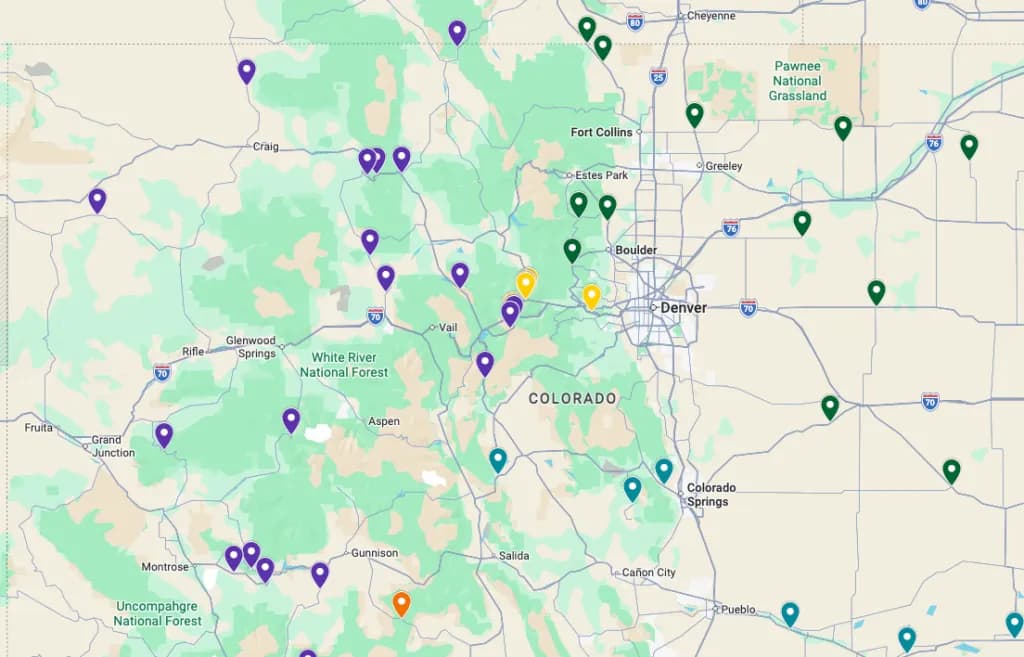
The plan prioritizes the high-traffic, high-risk corridors. You’ll see five new cameras on U.S. Highway 6 at Loveland Pass, five on U.S. Highway 40 at Berthoud Pass, and three along Highway 40 at Rabbit Ears Pass. There’s also one at U.S. Highway 9 and Heeney Road north of Silverthorne, and another on Highway 9 in Blue River. These aren’t random placements. They are the choke points, the places where traffic backs up and where weather changes faster than you can blink. In areas where coverage was critical, like Berthoud and Rabbit Ears, the department has already deployed solar-powered cameras on existing infrastructure or placed them on portable trailers, ensuring that the eyes on the road remain open while the permanent installations are finalized.
Statewide, the CDOT operates more than 1,000 cameras, so this new batch of 66 is a small fraction of the whole, but it’s a targeted injection of state control into the areas that matter most to the Western Slope’s daily rhythm. A map showing where these new eyes will be mounted is available at tinyurl.com/CDOTCameras, though for now, the work is just beginning.
The smell of wet asphalt on Highway 40 still carries the sharp, metallic tang of recent rain, and the wind off Berthoud Pass doesn’t care about budget cycles or contract expirations. It’s cold, it’s fast, and it’s always there. Until those new cameras go live in 2027, we drive with the same caution we always have, hoping the state’s promise of reliability holds up against the reality of the Rockies.
Keep up with Aspen
The day's Western Slope news, one email each morning. Free.