Center for Biological Diversity Sues Colorado Over JBS Greeley Air Permits
The Center for Biological Diversity has filed a lawsuit against Colorado, alleging the state failed to enforce the federal Clean Air Act regarding JBS's Greeley meatpacking plant, resulting in delayed air permits and unchecked pollutant emissions.
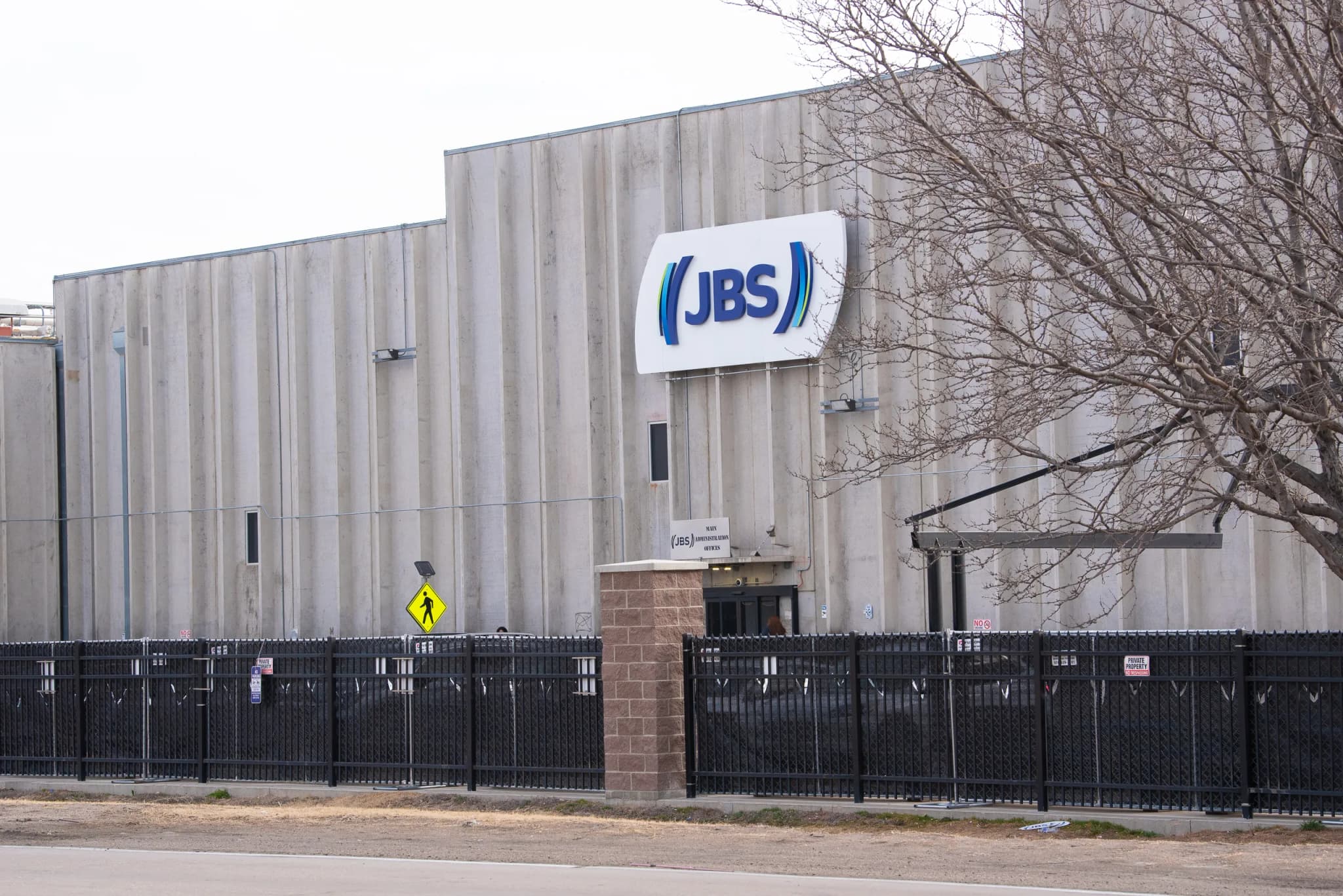
Colorado —The obvious take on the JBS Greeley lawsuit is that it’s a bureaucratic delay. A permit application got stuck in the weeds, the state missed a deadline, and now an environmental group is suing to get the paperwork sorted. It sounds like a minor administrative hiccup in a town that’s used to industrial growing pains.
But that’s not what the lawsuit filed in Weld County district court actually claims. The Center for Biological Diversity isn’t just asking for a signature on a document. They’re arguing that Colorado has failed to enforce the federal Clean Air Act for years, allowing thousands of head of cattle to be slaughtered and rendered daily without the proper regulatory oversight. The state is years late. The company was late. And the result, according to the suit, is that harmful pollutants — ammonia, methane, nitrogen oxide, and particulates — are drifting over Greeley without the legal framework that’s supposed to control them.
“We’re suing to ensure the state follows the law and protects Colorado communities,” said Jeremy Nichols, a senior advocate for the nonprofit.
The timeline is specific. JBS was more than a year late in applying for its required air pollution permits in 2022. The state’s Department of Public Health and Environment (CDPHE), which administers the federal Clean Air Act, was supposed to issue the permit within 18 months. That window closed. The permit never arrived.
The legal argument hinges on a simple provision: companies aren’t allowed to operate without a permit. Colorado has failed to enforce that rule, the lawsuit says. So the Center for Biological Diversity is now suing the state for its inaction, and it’s issuing a notice to JBS that it will sue the meatpacking giant in federal court after a 60-day response period expires. They want penalties for violating the Clean Air Act.
JBS isn’t denying the delay. Hailey Fishel, a spokesperson for the company, acknowledged in an email that the permit application wasn’t filed on time. But she pushed back on the idea that the company is sitting idle or acting in bad faith.
“Since then, we have worked collaboratively and in good faith with CDPHE and believe we are meeting all current expectations,” Fishel said. “We remain committed to providing any additional information needed to support their review and determination.”
The company employs 3,800 people at the Greeley plant. It’s one of the largest beef processors in America. Its operations are woven into the local economy, from the trucking routes on 17th Avenue to the payroll of thousands of Weld County families. The lawsuit doesn’t just threaten regulatory fines; it threatens to upend the operational certainty of a major employer that has been navigating its own strike and settlement issues.
“The figures speak for themselves,” Nichols noted, pointing to the sheer volume of pollutants produced by the rendering process. “Thousands of cattle are slaughtered and rendered at the facility each day.”
The Center for Biological Diversity has a track record of forcing the state’s hand. Last fall, their litigation compelled the state to act on two other late permits: one for a Crestone compressor station near Watkins and another for a Magellan tank facility in Aurora. They’re betting that the Greeley case follows the same pattern.
A CDPHE spokesperson said the department does not comment on litigation, which is standard practice. But the silence is notable. If the state had been enforcing the Clean Air Act as written, the permit would have been issued. The delay wasn’t just a paperwork error; it was a failure to enforce the law that keeps companies in check.
As Fishel put it, “Because this matter is in litigation, we will not comment further and respect both the legal process and CDPHE’s role in evaluating and speaking to its permitting procedures.”
The question for locals in Greeley isn’t just about who pays the fines. It’s about whether the state will finally close the gap between the law on the books and the reality of what’s happening at the slaughterhouse. If the Center for Biological Diversity wins, it sets a precedent. It means other delayed permits across the state won’t just be forgotten. It means JBS, and others like it, can’t count on the state to look the other way while they keep the lights on.
“We’re suing to ensure the state follows the law,” Nichols said. “And that includes protecting Colorado communities.”
Keep up with Colorado
The day's Western Slope news, one email each morning. Free.
Federal Report Sets 200,000 Acre-Foot Water Conservation Target for Upper Basin
Colorado Parks and Wildlife Deploys Precision Drones for Weed Control