Trump Administration Keeps Craig Coal Plant Open Despite Opposition
The Trump administration's decision to keep the Craig coal plant open has sparked controversy and concern among Western Slope residents, who will bear the costs of keeping the aging plant operational.
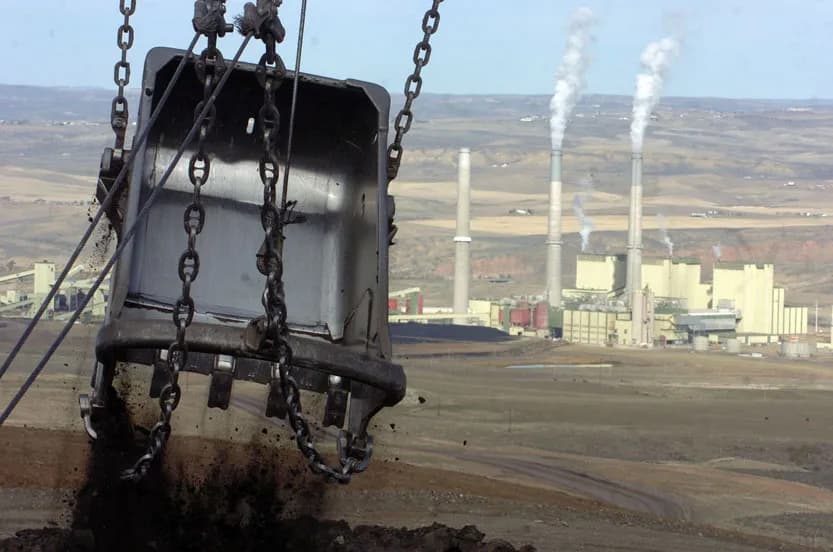
Steamboat Springs —Leslie Coleman, senior attorney with Earthjustice's Rocky Mountain Office, says the Trump administration has "doubled down on an order that no one seems to want except the coal industry" — referring to the recent extension of an emergency order keeping the Craig Unit 1 coal plant open. This decision affects Western Slope residents, who will likely bear the costs of keeping the aging plant operational.
The Craig Unit 1 plant, located in Moffat County, was initially scheduled to shut down on December 31. However, the Trump administration's Department of Energy issued an emergency order on December 30, forcing the plant to remain operational through March 30. This order has now been extended, keeping the plant open through at least June 28. Energy Secretary Chris Wright cites an energy "emergency" in the West as the reason for the extension, claiming that the "accelerated retirement" of power plants could lead to power outages and pose a risk to public health and safety.
Make no mistake, this decision will have significant financial implications for locals. The cost of keeping the plant operational could exceed $80 million over a year — a figure that will likely be passed on to Coloradans in the form of higher electric bills. Tri-State Generation and Transmission Association, which co-owns the unit, has already poured money into keeping it available, despite its unreliability.
Colorado Attorney General Phil Weiser and a coalition of environmental groups have filed lawsuits against the Energy Department, challenging the legitimacy of the emergency order. Weiser claims that there is no genuine energy emergency and that stopping the plant's retirement would not alleviate any energy needs. The short version: the Energy Department's order will result in unnecessary costs and pollution for Western Slope residents.
The one plant in question is over 40 years old and was already shut down in December. Its co-owners, including Tri-State Generation and the Platte River Power Authority, oppose keeping it running. Despite this, the Trump administration has used claims of an energy emergency to keep open coal plants slated for retirement in other states, including Michigan, Washington, and Indiana.
Worth watching is how this decision will impact the local community. The plant's continued operation will not only affect residents' wallets but also the environment. As Coleman notes, it is time for the administration to stand down and allow the unit to retire as planned. The question remains: who will ultimately bear the costs of keeping this aging plant operational? Read that again, $80 million over a year. That's what Delta County spends on road maintenance in a year.
In the town of Craig, the plant's presence is a contentious issue. While some residents may be concerned about job losses, others are worried about the environmental and health impacts of its continued operation. One issue is certain: the fate of the coal plant will have far-reaching consequences for Western Slope residents. The community will be watching closely to see how this story develops; and what it will mean for their town, their commute, and their property taxes.
Keep up with Steamboat Springs
The day's Western Slope news, one email each morning. Free.