Colorado Car Sales Plummet After Loss of Electric Vehicle Subsidies
The loss of electric vehicle subsidies has led to a significant decline in Colorado car sales, with new EV registrations dropping 64% in the first quarter of the year, affecting local dealerships and the economy.
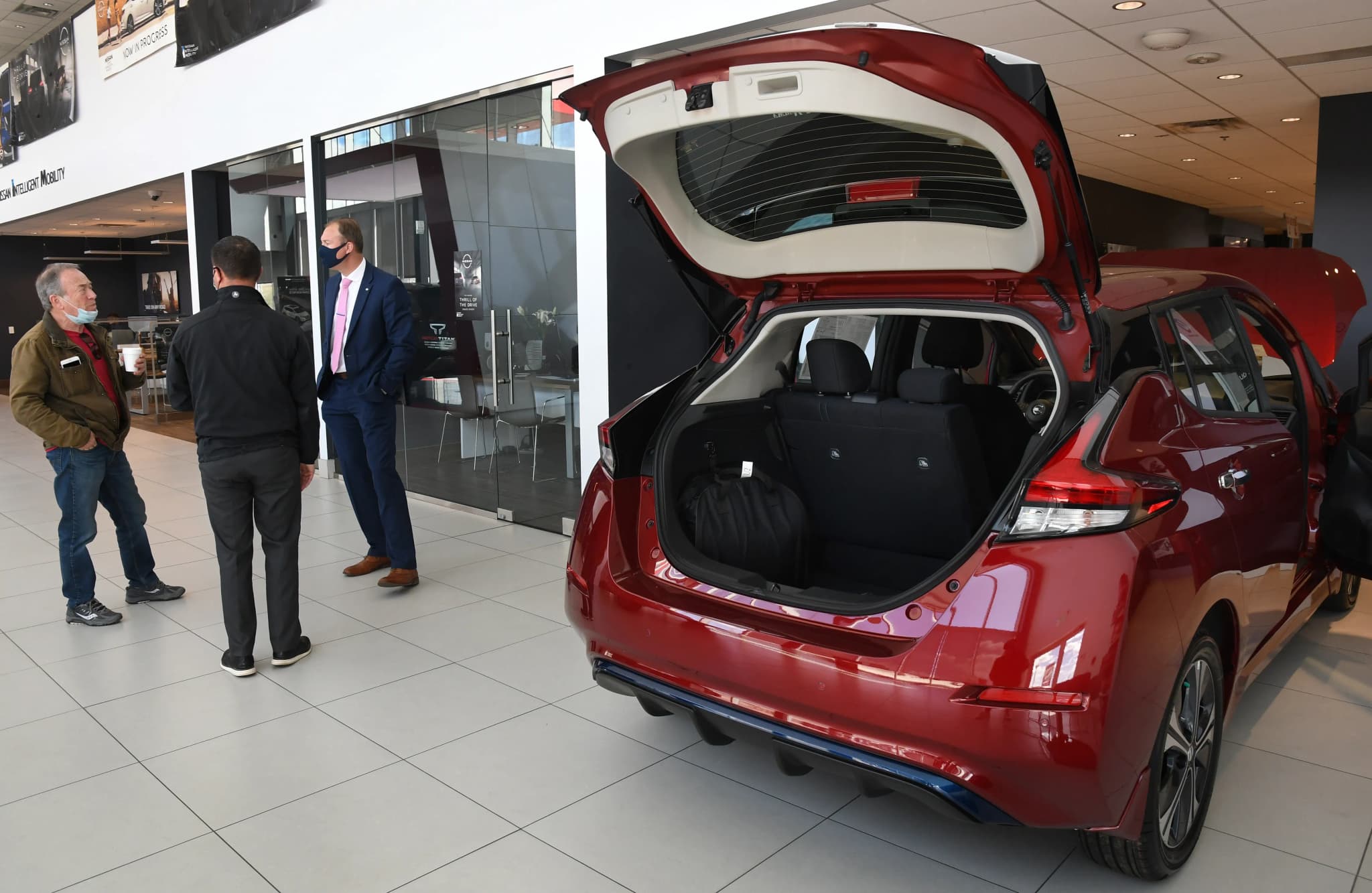
Colorado —Standing in the parking lot of a Grand Junction car dealership, the rows of shiny new vehicles seem to stretch on forever, but the sales numbers tell a different story. The sound of cars driving by on Interstate 70 is a constant reminder of the industry's importance to the local economy. However, the loss of electric vehicle subsidies has sent Colorado car sales plummeting, with new EV registrations dropping 64% in the first quarter of the year.
For context, that's a steeper decline than any of the 24 states studied by consultants for the Colorado Auto Dealers Association. The state's new car registrations fell 18.4% in the first quarter, compared to an 8.5% drop nationwide. Let's do the math: if the overall state car market is down nearly 20%, the impact will be substantial on local dealerships and the people they employ.
The drop in clean car sales is particularly notable, given Colorado's target of getting more than 900,000 zero-emissions cars on the road by 2030. However, combined sales of battery electric and plug-in hybrid vehicles reached only 11% of the overall car market in the first three months, compared with a 26% share of new sales in the comparable period of 2025. On paper, this decline is a major setback, and in practice, it means that dealerships are struggling to move these vehicles off the lot.
According to Matthew Groves, chief of the Colorado Auto Dealers Association, "I know we tend to focus on EV numbers here, but the year-over-year 18% drop in the full market is cause for concern." That concern is echoed by the association's consultants, who point to unforeseen events like fluctuating tariff rates, the phaseout of battery electric vehicle tax credits, the war in Iran, and rising gasoline prices as contributing factors to the decline.
In Delta County, where road maintenance is a significant expense, the loss of EV subsidies could have a ripple effect on the local economy. For example, the county spends around $1.4 million on road maintenance annually, which is roughly the same amount that the state's EV subsidy program was reduced by. This reduction will likely have a substantial impact on the local budget, and it's likely that other counties across the Western Slope will feel similar effects.
The average sale price of a new car in Colorado is now over $50,000, which is a barrier for many buyers, especially with interest rates for new car loans staying high. Add to that a $1 a gallon spike in fuel prices since the start of the Iran war in March, and it's clear that consumers are feeling the pinch. Folks around here are used to being mindful of their budgets, but the current economic uncertainty is making it even harder for people to make big-ticket purchases like cars.
In the end, the decline in car sales will have far-reaching consequences, affecting taxpayers and local businesses. With fewer cars being sold, there will be less revenue from sales taxes, which could impact funding for local projects and services. For locals, this means that the services and infrastructure they rely on might be affected, from road maintenance to public transportation. One consequence is that the community will face challenges in maintaining its current level of service, and the effects of the loss of EV subsidies will be felt for some time to come.
Keep up with Colorado
The day's Western Slope news, one email each morning. Free.



Federal Report Sets 200,000 Acre-Foot Water Conservation Target for Upper Basin
Colorado Parks and Wildlife Deploys Precision Drones for Weed Control