Colorado Confirms First Hantavirus Death Since 2024 in Douglas County
Colorado reports its first hantavirus fatality since 2024, a local deer mouse-borne case in Douglas County. Learn the difference between this strain and the cruise ship outbreak, plus essential CDC cleaning tips to avoid infection during spring cleaning.
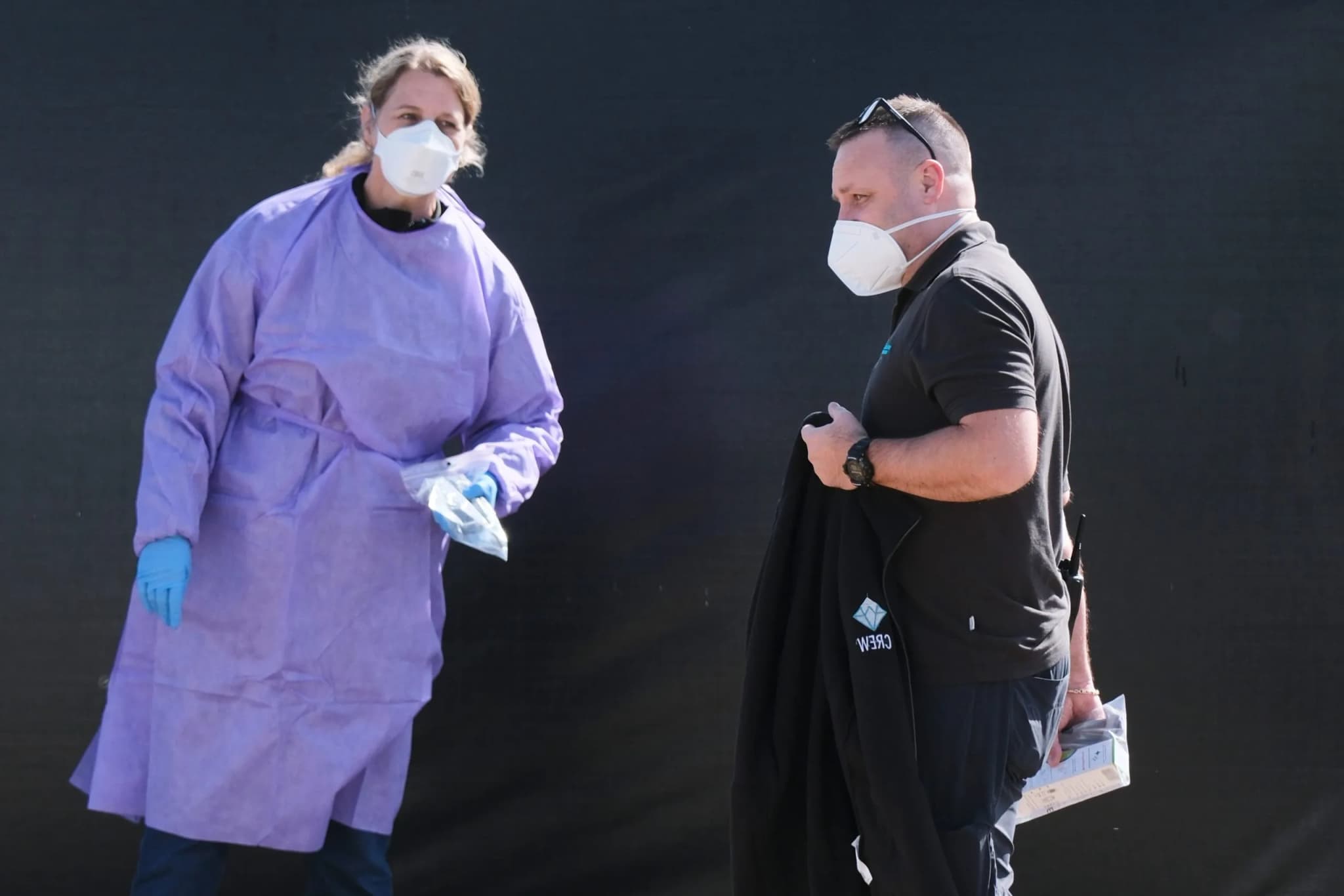
Colorado —The dust motes dancing in the afternoon sun of a Douglas County attic hold more than just age; they carry the quiet, invisible weight of the deer mouse. It’s a familiar scene for anyone who has spent a weekend scrubbing out a garage or clearing a shed after a long winter, a mundane chore that suddenly feels less like housekeeping and more like a biological gamble. This week, Colorado confirmed its first death from hantavirus since 2024, a sobering reminder that the virus is not a distant threat reserved for the tropics or the decks of luxury liners, but a local reality living in the walls of our homes.
While the world’s eyes have been fixed on the MV Hondius and the Andes virus sweeping through its passengers, causing person-to-person transmission across the Atlantic, this new fatality points to a much more grounded, and for us here on the Western Slope and beyond, significant source: rodents. Hope Shuler, a spokesperson for the Colorado Department of Public Health and Environment, confirmed that the deceased was an adult from Douglas County and that preliminary evidence suggests the infection was acquired through local exposure to rodents. The risk to the general public remains low, the investigation is ongoing, but the distinction between the cruise ship outbreak and our local strain is critical.
Colorado is, and has long been, a hantavirus hot spot. From 1993 through 2023, the state reported the second-highest number of human infections in the U.S., trailing only New Mexico. We’ve seen 121 cases and 45 deaths, numbers that might seem abstract until you consider that this is a virus that has been quietly circulating in our backyards for decades. But crucially, it is not a single virus. The Andes virus, which gripped headlines for its ability to jump between people, is primarily a South American phenomenon. Colorado’s dominant strain is the Sin Nombre virus, which has not been shown to spread from person to person. It is spread by rodents, primarily the ubiquitous deer mouse, which is found statewide.
This distinction changes how we should approach the spring cleaning season. Cases of hantavirus are fairly widely distributed in Colorado, and spring and summer — the peak cleaning seasons — are usually when we see spikes in infections. That’s when people are encountering rodent droppings while tidying up, sweeping away the evidence of a night shift that happened in the walls. The federal Centers for Disease Control and Prevention has clear recommendations for this: wear rubber or plastic gloves, and do not vacuum or sweep up the mess, because that sends virus particles airborne. Instead, spray the droppings with a disinfectant, let it soak in for five minutes, and then wipe it up with paper towels.
It’s a simple protocol, yet it feels almost radical in its specificity. We tend to think of hantavirus as something that happens to someone else, someone on a cruise ship or in a remote cabin, but the data tells a different story. The pathogen is here, in the droppings under the sink, in the nests in the eaves. As we open our windows and let in the fresh air, we also let in the potential for exposure. The question isn’t whether the infection is present, but whether we are paying attention to the small, quiet things that keep it out.
The dust settles. The garage door closes. And somewhere in the shadows of a Douglas County attic, a mouse moves, carrying the weight of a history that is still very much alive.
Keep up with Colorado
The day's Western Slope news, one email each morning. Free.



Federal Report Sets 200,000 Acre-Foot Water Conservation Target for Upper Basin
Colorado Parks and Wildlife Deploys Precision Drones for Weed Control