Colorado Considers Nuclear Power Revival Amid Energy Demands
A proposed bill in Colorado's House Energy and Environment Committee aims to facilitate the development of nuclear power in the state, sparking debate about energy sources and environmental impact.
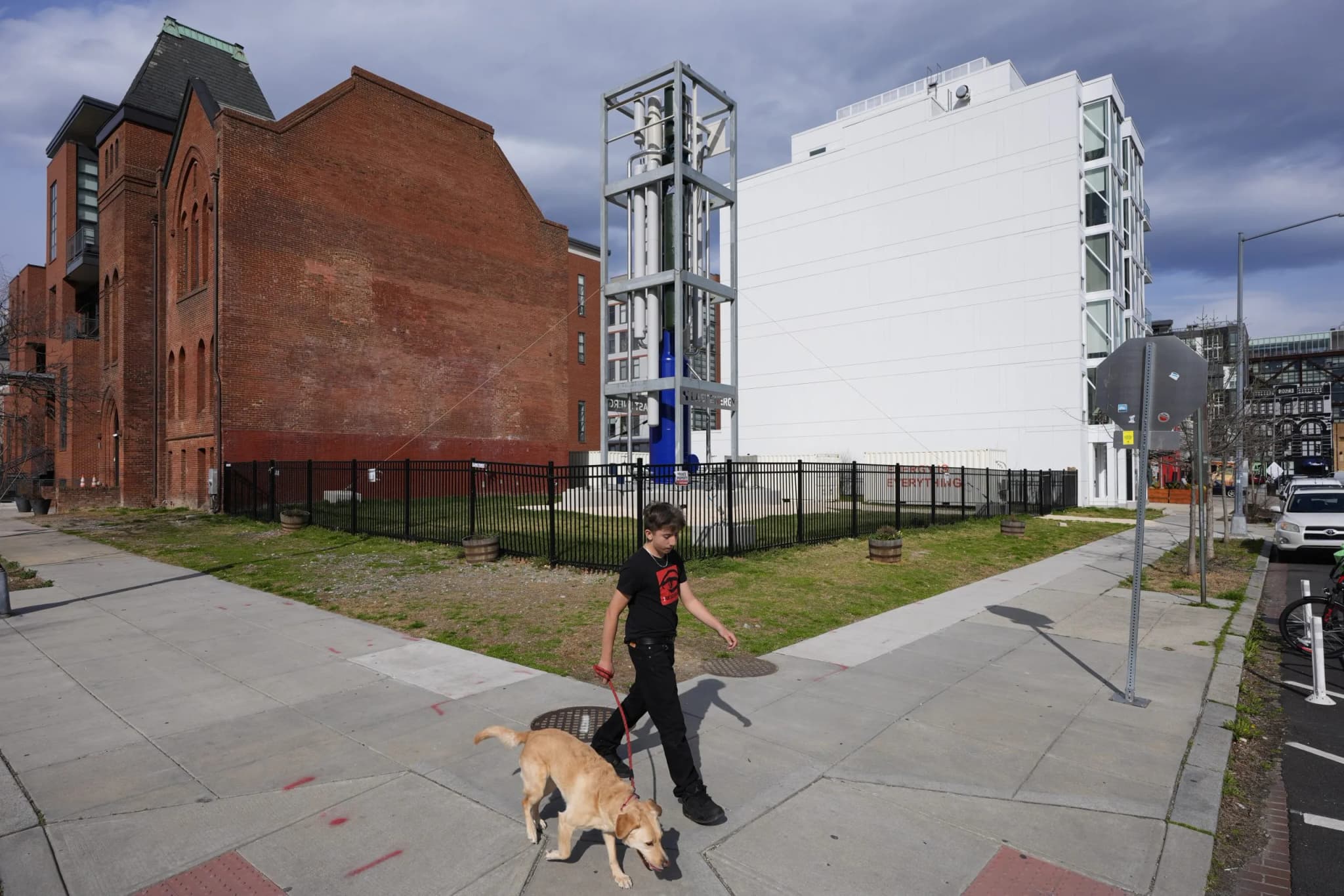
Colorado —The sun beats down on the Colorado State Capitol building, casting a golden glow over the bustling streets of downtown Denver. Inside, a different kind of energy is building - the kind that could potentially power homes, businesses, and industries across the state.
Here's the thing though: that energy might come from a source many thought was on its way out - nuclear power. House Bill 1337, up for debate in the House Energy and Environment Committee, aims to smooth the way for a return to nuclear-generated power in Colorado. The bill's backers claim growing energy demands and better design prove the time is right for a revival. Not exactly what you'd expect from a state that's been pushing for renewable energy sources.
Jesse Braughton, with the lobbying and policy firm 3015, says the state is facing an energy cliff - the amount of energy needed versus what can be produced is a pressing issue. "The state is really on quite a cliff when it comes to the amount of energy that we need compared to the amount that is capable of being produced," she notes. Braughton's firm has been working on the bill with sponsors and Xcel Energy, a utility company actively working to get nuclear off the ground in Colorado. The problem, according to Braughton, is the lack of a coordinator or main office to oversee and streamline nuclear development projects. That's what this bill aims to change.
Bill cosponsor Rep. Alex Valdez, D-Denver, argues that Colorado's electricity needs are growing too fast, and nuclear power might be the best answer. He points out that nuclear power is cleaner than natural gas plants, and the state's greenhouse gas-cutting goals are vital. Valdez suggests that France could be a model for the US in supporting safe and economically viable nuclear power. He also highlights the potential for recycling and reusing nuclear fuel in modern designs, rather than resorting to new uranium mining or storing spent fuel.
The legislature added nuclear to Colorado's list of allowed clean energy sources in 2025. Now, the question is whether this bill will gain enough support to move forward. Backers claim they have the support of Gov. Jared Polis, who's expressed enthusiasm for nuclear energy as part of the state's future. His office says he supports efforts to create more reliable, safe, and affordable clean energy - including nuclear.
But not everyone is on board. The state's coalition of nonprofit groups advocating for environmental and economic justice is vowing to fight the bill. They say some allies have betrayed the clean energy cause in favor of risky economic development. As the debate heats up, it's clear that this is more than just a discussion about energy sources - it's about the future of Colorado's environment and economy.
Picture this: a nuclear power plant rising from the plains, its cooling towers a stark contrast to the natural beauty of the surrounding landscape. It's an image that's both captivating and unsettling. The fact that Xcel Energy is actively working to make this a reality in Colorado is a significant development. The company's involvement, along with the potential for up to $20 million in research expenses to be passed on to customers, raises important questions about the role of private industry in shaping the state's energy policy.
As the committee hearing approaches, the community is watching with bated breath. Folks around here are no strangers to the complexities of energy production - after all, the Western Slope is home to numerous renewable energy projects. But nuclear power is a different story altogether. The risks and benefits will need to be carefully weighed, and the state's residents will be paying close attention to the outcome.
The city of Grand Junction, with its proximity to potential nuclear development sites, will likely be a key player in this discussion. Local leaders will need to consider the potential economic benefits of hosting a nuclear power plant, as well as the environmental and health concerns that come with it. It's a delicate balance, one that will require careful consideration and a deep understanding of the issues at play.
As the sun sets over the Colorado State Capitol, the future of energy production in the state remains uncertain. The decision to pursue nuclear power will have far-reaching consequences for the environment, the economy, and the people of Colorado. One thing is clear becomes: The choices made today will shape the course of the state's energy policy for generations to come, and the outcome of this debate will be crucial in determining the path forward.
In the shadows of the Capitol building, a small group of protesters has gathered, holding signs that read "No to Nuclear" and "Clean Energy Now." Their voices are a reminder that this debate is far from over, and the outcome is still very much in question. As the night wears on, the stars begin to twinkle over the city, a celestial reminder of the beauty and wonder of the natural world - and the importance of preserving it for future generations.
Keep up with Colorado
The day's Western Slope news, one email each morning. Free.
Federal Report Sets 200,000 Acre-Foot Water Conservation Target for Upper Basin
Colorado Parks and Wildlife Deploys Precision Drones for Weed Control