Colorado Drought Forces Earlier, Muted Fall Foliage Peak
With 94% of Colorado in drought, experts predict an earlier, less vibrant fall foliage peak. Visitors should plan trips sooner to avoid missing the compressed viewing window.
Aspen —Ninety-four percent. That is the percentage of Colorado currently experiencing some level of drought, according to the U.S. Drought Monitor’s Sept. 3 report.
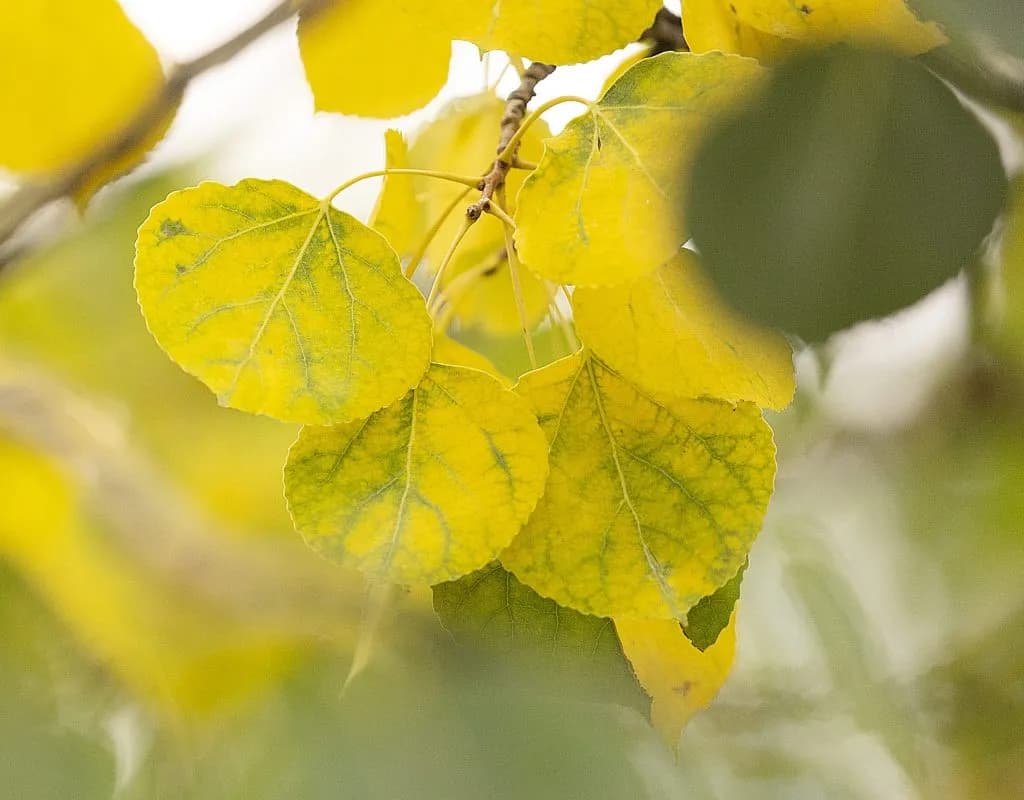
If you are planning a trip to the High Country for peak foliage, that number matters more than any scenic drive map you’ve pinned to your dashboard. The obvious take is that the leaves will still turn, just maybe a week late or with slightly muted hues. That’s not quite right. The data suggests the opposite: this year’s fall peak will likely arrive earlier than normal, and it won’t be as vibrant as the postcard versions you see on social media.
The mechanism is straightforward, even if the result feels disappointing. Alan Smith, a meteorologist at OpenSnow, explained that leaves tend to turn earlier when there is drought, below-average late-summer rainfall, and early spring leaf-out. The inverse happens in wet years. For the most vibrant colors, you need wet springs, near-normal mid- to late-summer rain, and warm days with cool nights in the fall.
Let’s do the math on what Colorado actually had this year. The state suffered a dismal snowpack, record-smashing heat, and drier-than-normal conditions throughout the growing season. Monsoonal moisture has started to show up in the mountains, but it hasn’t been enough to reverse the damage. Smith noted that while above-average warmth can sometimes delay foliage, that effect is negligible in areas already under excessive drought. In practice, the stress wins out.
Dan West, a forest entomologist with the Colorado State Forest Service, confirmed that aspen color change varies by region, elevation, and moisture. He cautioned that it is still early to predict the exact peak across the entire state, but the regional trends are clear. Smith added that areas in extreme or exceptional drought — like much of Colorado and New Mexico — may see a less vibrant season, though good color will still exist.
For context, nearly 44% of the state is in extreme or exceptional drought, the two worst categories on the monitor. On the Western Slope, these conditions have persisted and deepened since the start of the water year on Oct. 1, 2025. The dryness isn’t a temporary blip; it’s the baseline for this growing season.
This hits close to home for folks in the valley and up into the mountains. If you’re a local, this means the window for peak color is likely to be narrower and compressed. You might get a spectacular three days, followed by bare branches. If you’re a visitor expecting the two-week golden spectacle of a normal year, adjust your expectations. The trees are signaling stress, not celebration.
The financial and logistical impact is subtle but real. Tourism revenue tied to fall foliage drives a significant chunk of local service industry income in mountain towns. A less vibrant, earlier peak could shift that spending window by a week or two, potentially straining businesses that rely on steady weekend traffic. It also affects property values and the aesthetic appeal of neighborhoods where mature aspens are a primary feature.
West’s team is monitoring local conditions, but the macro picture doesn’t change: drought suppresses vibrancy. The leaves are turning because they have to, not because the conditions were ideal for a showstopper performance.
So here is the practical bottom line: If you want to see color, go early. Don’t wait for the traditional mid-October peak. The trees are shedding their stress response now, and that means the best window is likely closing before most people think to look up. The money you’d spend on a delayed trip might be better spent on an early one, because the alternative is driving up to see brown.
Keep up with Aspen
The day's Western Slope news, one email each morning. Free.