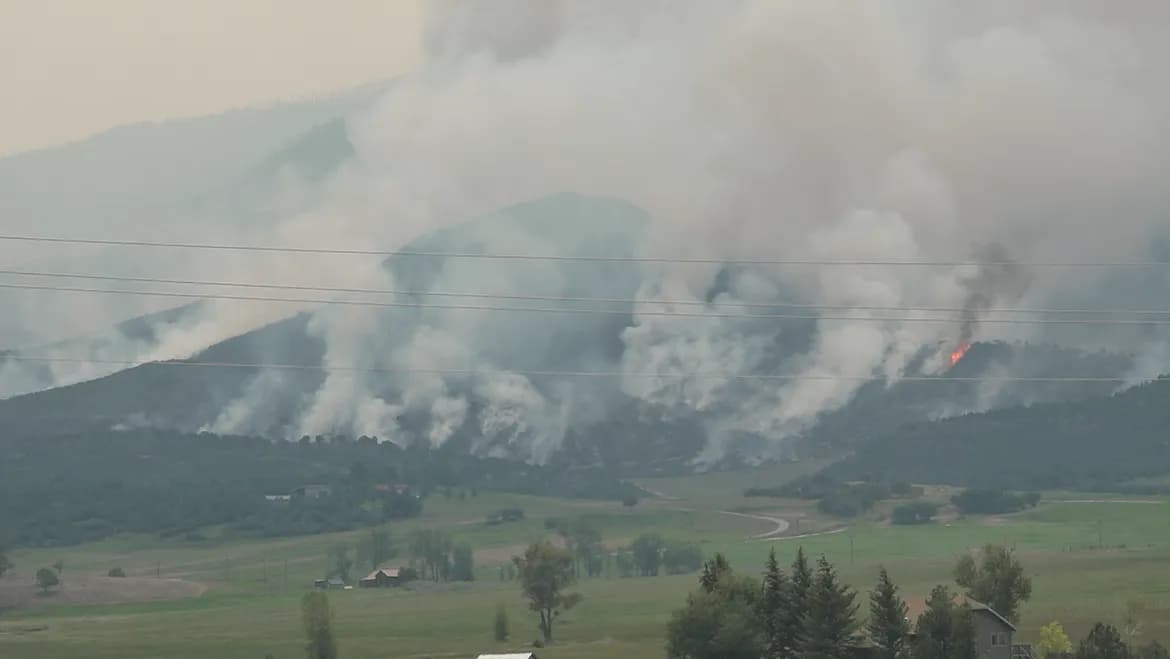
Colorado Expands Loan Program to Preserve Agricultural Land
Colorado has expanded its Future Farmer Loan program to help preserve agricultural land and support new farmers, in response to the loss of 1.6 million acres of farmland over the past five years.

Western Slope —Standing in the midst of Mesa County's vast agricultural landscape, the sound of tractors and cattle fills the air — a stark contrast to the subdivisions and track housing that are increasingly encroaching on this land. The smell of fresh soil and crops wafts through, a reminder of the importance of preserving this land for future generations. As the sun sets over the Western Slope, the reality of Colorado's shrinking agricultural landscape sets in — 1.6 million acres of farmland lost over the past five years.
This loss is not just a statistic; it's a threat to the community that relies on it. The pressure to develop agricultural land into subdivisions and track housing is high, driven by rising property values that are increasing faster than in most other states. Make no mistake, this is a critical issue that affects not just farmers, but the entire community.
In an effort to address this issue, Gov. Jared Polis signed SB26-046 into law, expanding Colorado's Future Farmer Loan program. This initiative aims to help new producers acquire agricultural land at a discounted rate, often 40% less than market value. The program allows more groups, including irrigation and conservation districts, to acquire land and place conservation easements on the property. These entities can then sell the protected land to new farmers, providing a vital lifeline to the agricultural community. Rep. Matt Soper, co-sponsor of the bill, emphasized the importance of local irrigation and conservation districts in facilitating the sale of prime acreage to new buyers. "This is to be able to extend the list of pass-through entities to be able to acquire land, be able to put a conservation easement on that and then to sell it to a new farmer at a discounted rate," Soper said. The short version: this expansion is a crucial step in preserving agricultural land and supporting the state's farming sector.
The initiative was originally conceived by Sen. Cleave Simpson, who recognized the need to protect Colorado's agricultural landscape. Gov. Polis highlighted the significance of this expansion, stating that it's an investment in the state's broader economic health. "By offering agricultural loans to protect our most valuable lands and make them more affordable for new and beginning producers, we are investing in our agricultural economy, which creates good jobs and produces world-renowned food," Polis said.
As the community comes to terms with the impact of this new law, the fate of Colorado's agricultural landscape hangs in the balance. The loss of farmland is not just a regional concern; it has far-reaching consequences for the entire state. Worth watching: how this expansion will affect the community's ability to preserve its agricultural heritage.
In Mesa County, the effects of this expansion will be closely monitored. The county has been identified as a specific area where farmland is rapidly being converted into subdivisions. Rep. Soper noted that while farmers value their land and water rights, there are currently few protections to prevent development when a property is sold. The use of free-market tools like these loans and easements may provide a vital safeguard against the loss of agricultural land. The clock is ticking, and the future of Colorado's agricultural landscape is far from certain.
Keep up with Western Slope
The day's Western Slope news, one email each morning. Free.

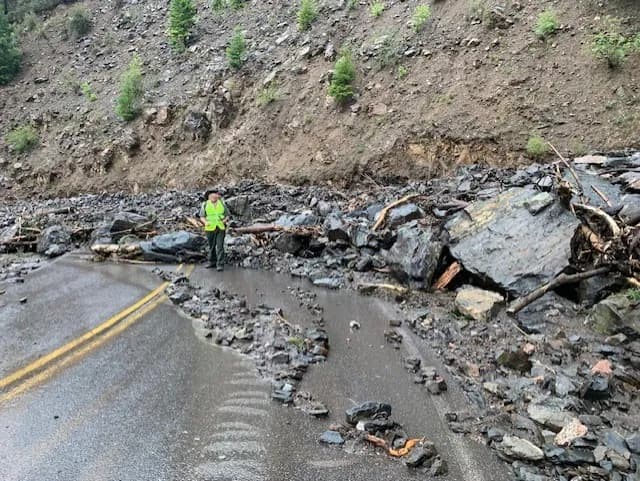
Mudslides Strand Visitors on East Portal Road After Heavy Rain

How Western Slope Residents Can Safely Wash Produce Amid Cyclospora Outbreak