Colorado Expands Safe Haven Law for Newborns
Colorado's updated Safe Haven Law allows parents to surrender newborns up to 30 days old without facing charges, aiming to prevent illegal abandonment and provide support for struggling parents.
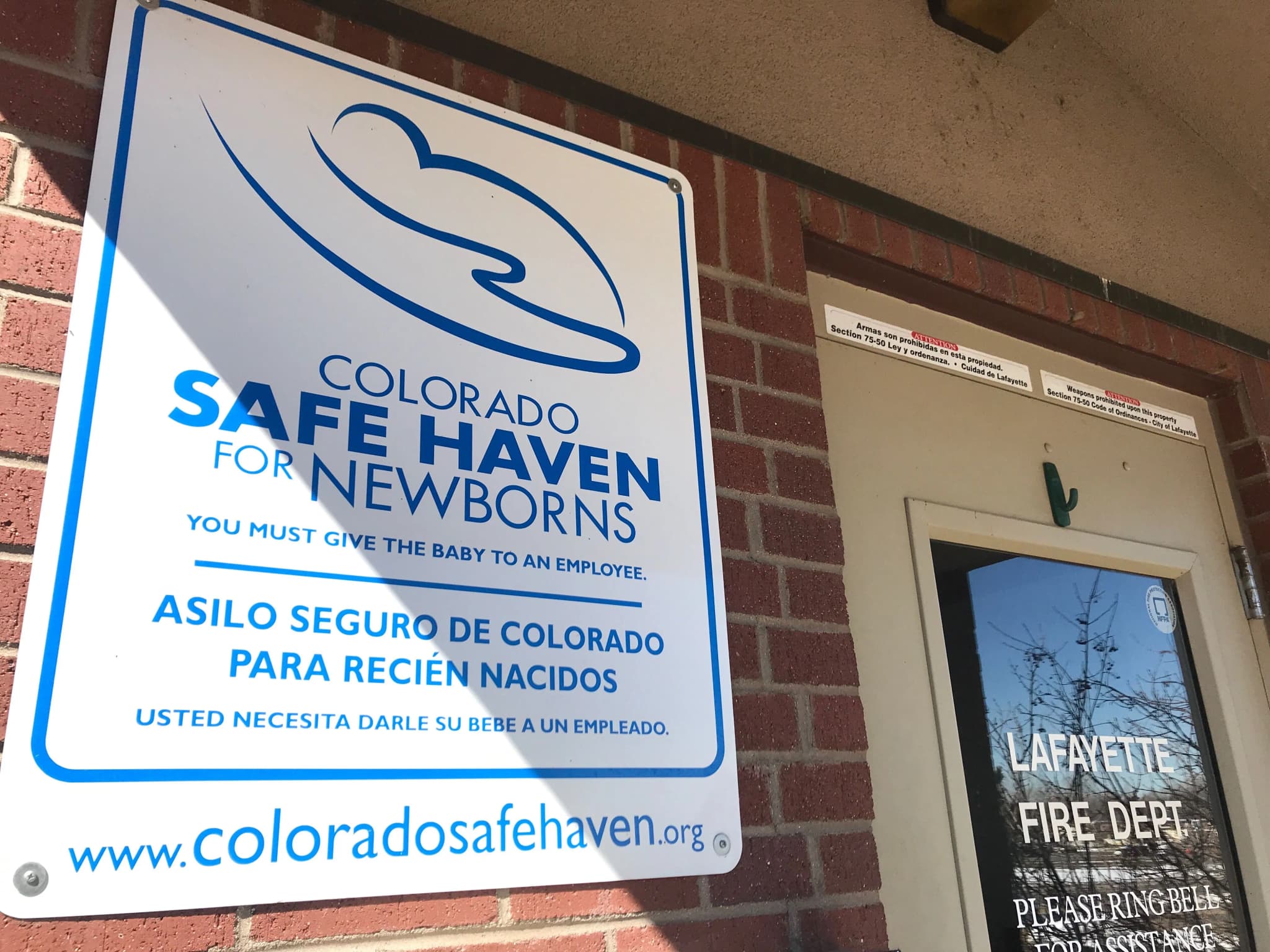
Colorado —$0 - that's what a parent in Colorado will have to pay if they decide to give up their newborn baby under the state's updated Safe Haven Law. This law, which was recently expanded, allows parents to drop off babies up to 30 days old at designated fire stations or hospitals without facing child abandonment charges. For context, the previous law only gave parents 72 hours to make this decision.
Rep. Rebecca Keltie, a Republican from Colorado Springs, was a prime sponsor of the bill. She noted that the first few days after childbirth can be intense, with a mother's body flooded with hormones and often distressed. This extra time, Keltie said, allows for "clarity to emerge" and gives parents "the space to choose what is truly best for themselves and their baby." Let's do the math - 30 days is significantly more time for parents to make a decision than the original 72 hours.
The law is intended to prevent new parents from illegally abandoning or killing newborns. Unfortunately, this problem still exists in Colorado. In 2024, a 1-month-old baby boy was found abandoned in a carseat in Adams County, and a young mother was sentenced to 35 years in prison for stabbing her newborn daughter to death. These incidents highlight the importance of the Safe Haven Law and the need for parents to have a safe and legal way to surrender their children.
From 2001 to 2024, 87 newborns were relinquished at fire stations, clinics, and hospitals under the law, according to data from Colorado Safe Haven for Newborns. El Paso County had the most babies dropped off under the law, with 25 cases. Sara Wagner, executive director of Colorado Safe Haven, noted that the organization formed after the deaths of three newborns across the state in 2004, including one found in a trash can at a Cherry Creek bar. On paper, the updated law seems like a positive step forward. However, in practice, it's unclear how many parents will take advantage of the extended time frame. Colorado officials do not expect that the change in law will lead to more newborns being given up, judging by what has happened in other states. For locals, this means that there will be more resources available for parents who are struggling to care for their newborns. The updated law also raises questions about the support systems in place for new parents. While the Safe Haven Law provides a safe and legal way for parents to give up their babies, it's unclear what kind of resources are available to help parents who are struggling to care for their children.
In terms of the financial impact, it's difficult to say how much this updated law will cost taxpayers. However, it's worth noting that the cost of caring for a child in the foster care system can range from $30 to $60 per day, depending on the level of care required. This translates to around $1,000 to $2,000 per month.
The practical bottom line is that this updated law provides more options for parents who are struggling to care for their newborns. While it's unclear how many parents will take advantage of the extended time frame, it's clear that the law has the potential to save lives and provide a safe and legal way for parents to make a decision that is truly best for themselves and their baby. As Rep. Keltie noted, the first few days after childbirth can be intense, and this law provides parents with the space to make a decision that is truly best for themselves and their baby.
Keep up with Colorado
The day's Western Slope news, one email each morning. Free.




Federal Report Sets 200,000 Acre-Foot Water Conservation Target for Upper Basin

Colorado Parks and Wildlife Deploys Precision Drones for Weed Control