Colorado Lawmakers Freeze $270K for Wolf Reintroduction
Colorado lawmakers insert budget footnotes to freeze $270,000 in general fund dollars for wolf reintroduction, shifting costs to private donations amid rising livestock damage claims.
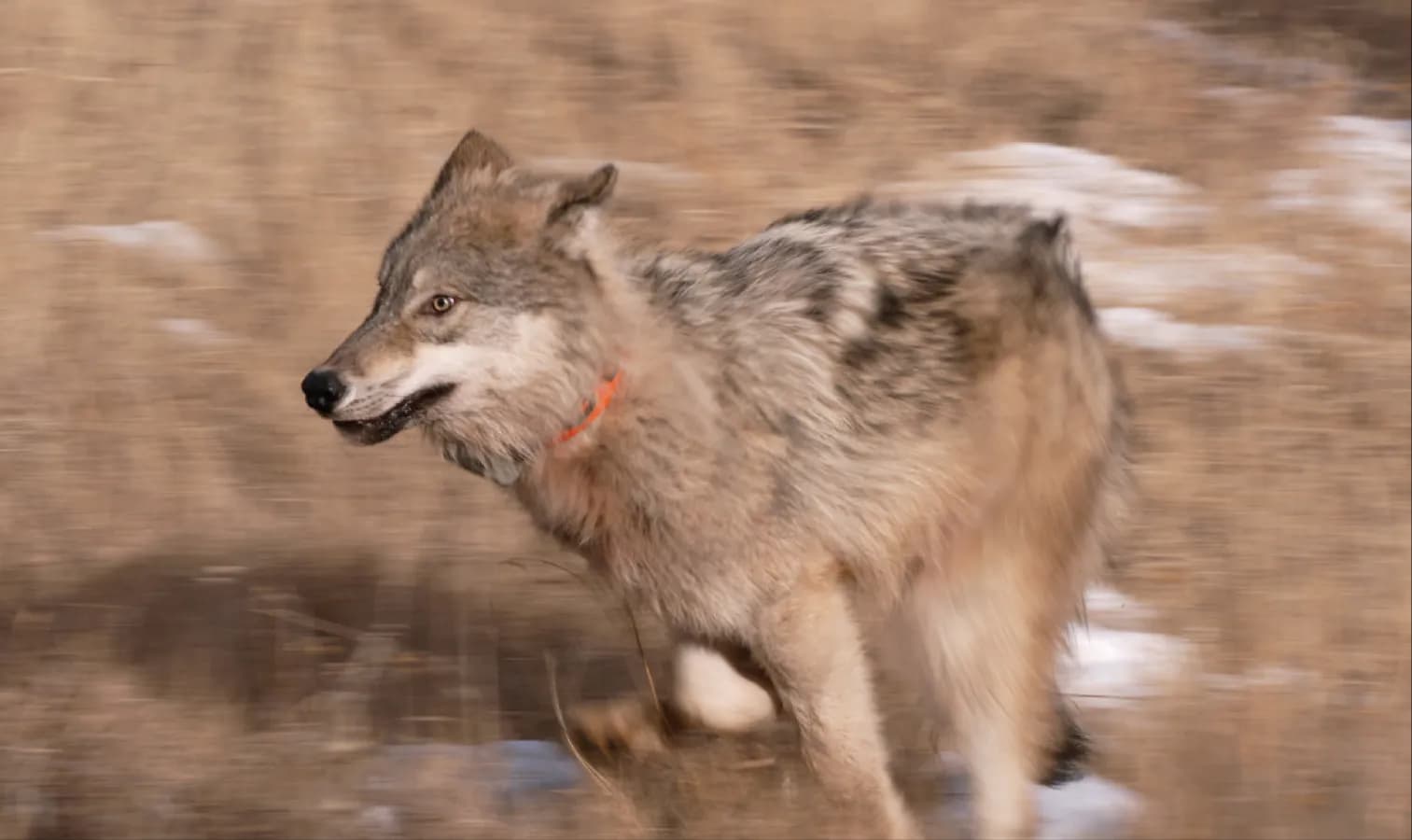
Colorado —The obvious take on Colorado’s wolf reintroduction is that it’s an ecological success story waiting to happen. But look at the ledger, and the narrative flips. The General Assembly just sent a clear, if not binding, message to Governor Jared Polis: stop using taxpayer money to bring wolves back.
It’s a fiscal revolt.
Lawmakers have inserted footnotes into the proposed state budget — the "long bill" — that effectively freeze general fund dollars for wolf reintroduction. The goal is simple. Let the program survive on gifts, grants, and donations. If the budget passes, Colorado Parks and Wildlife (CPW) can’t touch the state coffers to bring in new wolves. They have to find the money elsewhere.
As Rep. Meghan Lukens, D-Steamboat Springs, put it in an email, she’s looking at competing priorities.
“At a time when we have competing statewide priorities like education, health care and housing,” Lukens wrote, “I don’t believe it’s appropriate to use general fund dollars to expand a program that remains deeply contentious and costly for rural communities.”
This isn’t just theoretical budgeting. It’s about who pays the bill. In the current 2025-26 fiscal year, CPW was handed $264,238 from the general fund just to bring 15 wolves from British Columbia into the state. That’s money taken from the general pool, money that could go to roads, schools, or hospitals; and directed exclusively at a wildlife program that rural folks argue is destroying their livelihoods.
The figures support that reality. The Joint Budget Committee earlier this year pushed CPW for transparency on spending. CPW’s answer? It was going to cost nearly twice what it did the previous year to cover potential complications during relocations. The committee balked. They didn’t want to subsidize the uncertainty.
Now, the Senate version, introduced by Sen. Dylan Roberts, D-Frisco, and Sen. Marc Catlin, R-Montrose, cuts about $270,000 from the department’s general fund budget specifically to prevent spending on new wolves. They’re leaving the door open for fee-based cash funds, but the general fund is off the table.
Why now? Because the wolves are here, and they’re eating livestock.
Lukens represents Eagle, Routt, Moffat, Rio Blanco, and Gunnison counties. Her constituents have already filed $24,000 in compensation claims for wolf-killed livestock. Roberts’ district, covering Grand, Jackson, and Eagle counties, has seen many times that amount in claims.
Even in Rep. Ty Winter’s, R-Trinidad, expansive southeastern district, the threat is visible. CPW’s latest wolf activity map shows at least one wolf has crossed into the watersheds on the western edge of his territory. No livestock damage claims have been filed there yet, but the presence is noted. The risk is real.
The amendments were proposed by Winter and Lukens in the House, and Roberts and Catlin in the Senate. It’s a bipartisan squeeze on the executive branch. The footnotes aren’t legally binding, and the budget still has steps to go before Polis signs it. Once it passes the Senate, it heads back to the Joint Budget Committee for rebalancing, meaning the final language could shift.
But the signal is loud. Lawmakers are tired of subsidizing a program that rural communities feel is forcing them to pay for the privilege of having wolves back.
Lukens sums up the frustration. This amendment is about fiscal responsibility. It’s about not asking taxpayers across the state to foot the bill for a contentious program that’s hitting rural counties hardest.
The clock is ticking on Polis’s decision. If he accepts the freeze, CPW will have to dig deeper into its own pockets or rely on private donations to continue the reintroduction effort. The general fund will stay general. And the wolves? They’ll still come, but the bill will be paid by a different set of hands.
“Time will tell,” Roberts says, “whether we can keep the wolves without breaking the bank.”
Keep up with Colorado
The day's Western Slope news, one email each morning. Free.

Federal Report Sets 200,000 Acre-Foot Water Conservation Target for Upper Basin
Colorado Parks and Wildlife Deploys Precision Drones for Weed Control