Colorado Bill Aims to Reduce Human Bear Conflicts
A new bill in Colorado seeks to reduce human-bear conflicts by changing how laws related to attractants like food and trash are enforced.
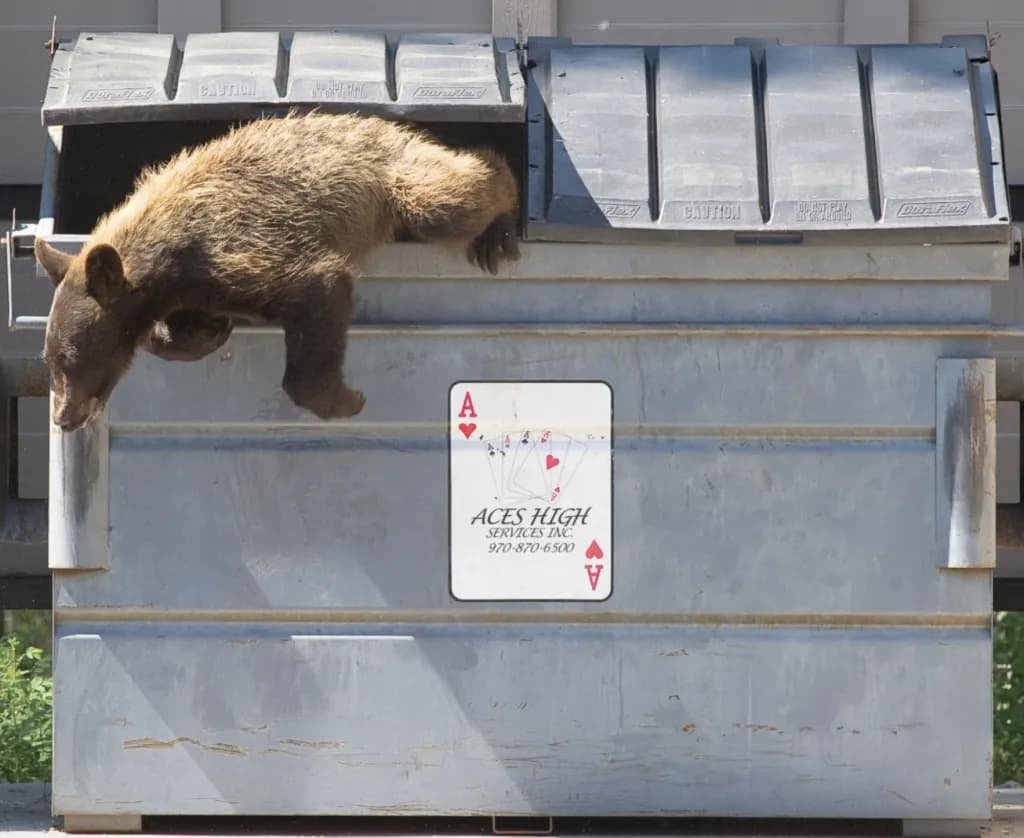
Aspen —"Human-bear conflicts continue to rise across the state, driven by population growth, increased tourism and fluctuations in the availability of natural food sources," said Rep. Meghan Lukens, D-Steamboat Springs. This statement gets to the heart of a problem that's been growing in our state — and on the Western Slope. Lukens is sponsoring House Bill 1342, which aims to reduce these conflicts by making it easier to charge people who leave out food or trash that attracts bears.
The bill would lower the standard of evidence required to charge someone for luring black bears — from intentional to careless. This change is significant, it acknowledges that most people aren't trying to lure bears, but their careless behavior is still putting both humans and bears at risk. Travis Duncan, a spokesperson for Colorado Parks and Wildlife, notes that the current law is hard to enforce because it requires proof of intent. This bill would make it easier for law enforcement to hold people accountable for their actions.
The idea for the bill came from a human-bear conflict working group set up by Colorado Parks and Wildlife in 2024. Duncan says the proposal was seen as a "simple yet effective way to reduce human-bear conflicts that are the result of the mismanagement of trash and other human attractants." The bill would also allow for penalties on the first offense; no warning required - and increase fines for repeat offenders.
Make no mistake, the goal of House Bill 1342 is not about punishing people for honest mistakes. It's about holding individuals accountable for their actions and encouraging responsible behavior. As Lukens points out, many of these conflicts could be avoided if people took the time to properly manage their trash and food waste.
The short version: the proposed legislation is about reducing human-bear conflicts by changing how we enforce laws related to attractants like food and trash. It's worth watching, not just for the impact it could have on our state's bear population, but also for how it might change the way we think about our role in preventing these conflicts.
Read that again: human behavior drives most of these conflicts. It's not about the bears; it's about us. Our actions, our choices, our carelessness. The legislation aims to address that reality and find a solution that works for both humans and bears.
In our region, this issue is particularly relevant. We have a large number of residents who live in or near bear country - and we have a responsibility to take care of our wildlife and our environment. House Bill 1342 represents a significant effort to find a better way to coexist with bears.
As the bill moves forward, it will be interesting to see how different groups respond. The Colorado District Attorneys' Council has already filed an "amending" position on the bill, and the Colorado Cattlemen's Association and the Colorado Wool Growers Association are monitoring it. No organizations have filed in support or opposition as of March 31, but that may change as the bill gains more attention.
The exemption for agricultural activities is a crucial distinction, and one that acknowledges the complexities of this issue. We need to find solutions that work for everyone involved, from farmers and ranchers to environmental groups and local residents.
The question now is; will the proposed legislation be enough to make a difference? The status quo is not working - and it's up to us to find a better way. For now, the bill's progress will be closely watched, and its impact on our community will be carefully considered.
Keep up with Aspen
The day's Western Slope news, one email each morning. Free.