Lawmakers Push Legislation to Protect Mobile Home Residents
Colorado lawmakers, including Rep. Elizabeth Velasco, propose new bills to protect mobile home residents and preserve affordable housing options in the state.
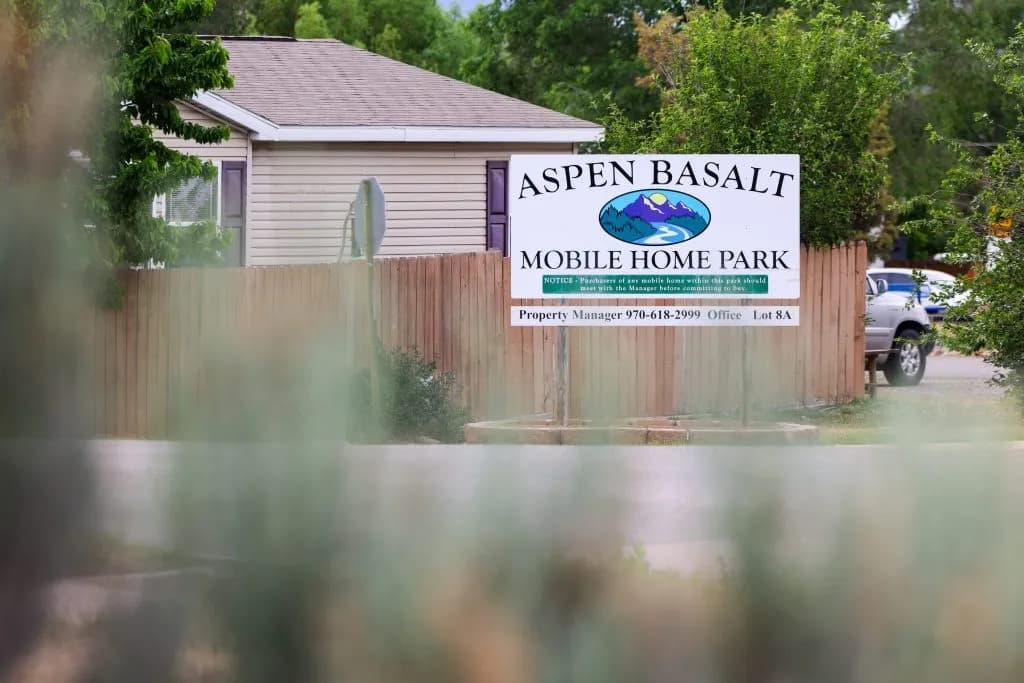
Craig —Snow-capped peaks tower above the mobile home parks dotting the Western Slope — a stark contrast to the financial struggles of the people living there. Folks around here know that mobile homes are often the only affordable option for working families. Rep. Elizabeth Velasco, D-Glenwood Springs, is pushing legislation to protect these residents. She's got a personal stake — she grew up in a mobile home park in Eagle County.
New bills proposed this year aim to build on existing laws that preserve communities like these. House Bill 1224, led by Velasco, requires more transparency from landlords who sell their land. This will affect people in the valley, those who call these communities home. The bill mandates that landlords provide certain information when issuing a notice of their intent to sell, including the park's purchase price, infrastructure age, and operating expenses.
Make no mistake, this is about giving residents a fair shot. Velasco says, "If residents are willing to do the hard work to try to save their community, the law should not leave them one step behind before the process even begins." She's not alone in this fight; other sponsors of HB 1224 include Rep. Andrew Boesenecker, D-Fort Collins, and Sens. Dylan Roberts, D-Frisco, and Lisa Cutter, D-Littleton. The proposed legislation also addresses water quality issues. Since 2019, the state's health department has been required to test drinking water at all Colorado mobile home parks. This year's bills will tweak existing laws to further protect residents. Read that again - these parks are not just a temporary housing option, they're a home, a community.
In places like Glenwood Springs, Aspen, and Oak Creek, residents have rallied to purchase their parks. Some sales have been successful, while others are still in progress. The community is watching, and waiting to see how these new laws will play out. Worth watching is how these changes will impact the daily lives of people living in these areas.
The short version is that lawmakers are trying to preserve affordable housing options. They've created a dispute resolution process, given homeowners a "right of first refusal" to buy their property, and required water testing. Now, they're pushing for more transparency in land sales. This will cost taxpayers, but it's a drop in the bucket compared to what Delta County spends on road maintenance in a year. Locals know that these communities are a vital part of the community. They're not just a place to live; they're a way of life. The legislation is intended to support residents, but it doesn't address the underlying issue of affordable housing. That's what folks around here are really worried about. What's not being said is how these new laws will affect the overall affordability of housing in the area. As the legislation moves forward, the impact on local communities will be significant, and the effects will be far-reaching. The community will be watching to see how these changes play out, and whether they'll make a real difference in the lives of people living in these areas. The question is, will it be enough?
Keep up with Craig
The day's Western Slope news, one email each morning. Free.