Colorado Legislature Stalls on Recreational Water Access Rights
As Colorado's snowpack drops, the legislature fails to clarify water rights, leaving boaters, waders, and landowners in a stalemate over whether the streambed beneath private fences is public or private.
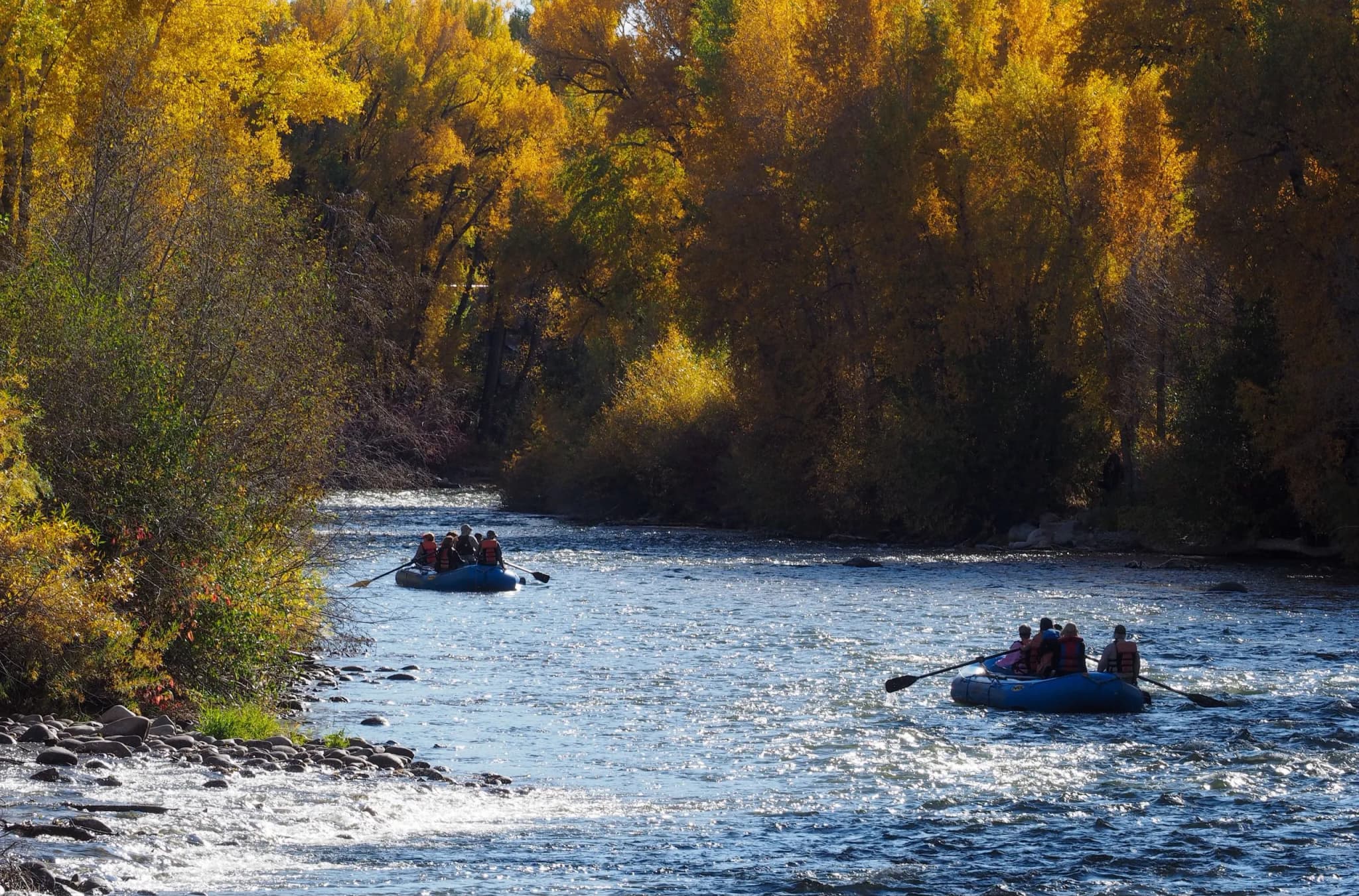
Colorado —The snowpack is low. The river is lower. And for the third time in a decade, Colorado’s legislature is staring at a bill that might clarify who owns the water beneath your boat, then decides to do nothing about it.
That’s the story right now.
Halfway through the session, lawmakers have yet to take up a single piece of legislation that would untangle the state’s murky rules on recreational access. The result is a status quo that favors neither the boater trying to get to the put-in nor the landowner trying to keep the riffle quiet. It’s a stalemate born of three competing arguments, none of which are winning.
Picture a dry creek bed in late spring. You’re standing there with a packraft, waiting for the water to rise just enough to float over the gravel bar. That gravel bar sits on private land. The fence line cuts right through the channel. Do you portage? Do you step off? Do you just float over the dirt and hope the owner doesn’t mind?
That’s the question. And it’s been unanswered for fifty years.
The conflict has splintered into three distinct camps, and they are all digging in. First, you have the new Responsible River Recreation Alliance, led by Hattie Johnson, who co-directs Southern Rockies policy for American Whitewater. They want a "right to float." Their argument is simple: if you can stay in your craft, you can pass through private property. Unless you need to portage around a lowhead dam or a fence, you don’t leave the boat.
Then there’s the Colorado Water Conservation Alliance. They represent the waterfront landowners. They’re worried. They see the "right to float" as a Trojan horse for a "right to wade." If you let people float over the dirt, they argue, you’re inviting them to step off and walk. That opens the door to trespass, to litter, to lawsuits that could last decades. They’re urging landowners to fight any change to the current "float but don’t touch" decree.
And quietly, almost invisibly, is the Colorado Stream Access Coalition. They’re making a different pitch entirely. They argue that the land beneath the river is public. Since statehood, they say, the streambed has been public land. Therefore, anglers and waders should be able to step off their boats and walk on the riverbed itself, even if the banks are private.
It’s a geometric impossibility to please all three. You can’t have a clear "right to float" without fearing a "right to wade." You can’t guarantee "wading rights" without triggering landowner panic. And you can’t just leave it alone, because the flow is getting drier.
“I think there is a way to respect private property rights and protect the right to float,” natural resource attorney Amy Beatie told a crowd in Crested Butte on March 19. She was speaking during a screening of the documentary Common Waters. Her optimism, though, hasn’t translated into legislative action.
Johnson says her group is trying to calm the nerves of the landowners. They’re messaging hard that "float" doesn’t mean "wade."
“One of the concerns we are hearing when we talk about the right to float is … the fear that we are opening that door to wading on private property,” Johnson said. “We understand people wanting to protect their private property rights. We are not talking about allowing people to walk and wade. But the fear is that it could lead to that.”
It’s a fair fear. The blend of these three divergent arguments — the right to float, the right to wade, and the "do nothing" camp — has stymied any new laws. The court decisions and legal memos that have shaped access rules so far are old, and they don’t cover the modern reality of a snow-starved winter turning channels into trickles.
As a short and dry river season takes shape, the passions are roiling. It’s a volatile confluence of property rights, recreational pressures, and river safety. But until the legislature finds a way to reconcile the boater, the wader, and the landowner, the water stays where it is. And the fence stays up.
Keep up with Colorado
The day's Western Slope news, one email each morning. Free.
Federal Report Sets 200,000 Acre-Foot Water Conservation Target for Upper Basin
Colorado Parks and Wildlife Deploys Precision Drones for Weed Control