Colorado Mountain College Builds Civic Infrastructure in Eagle County
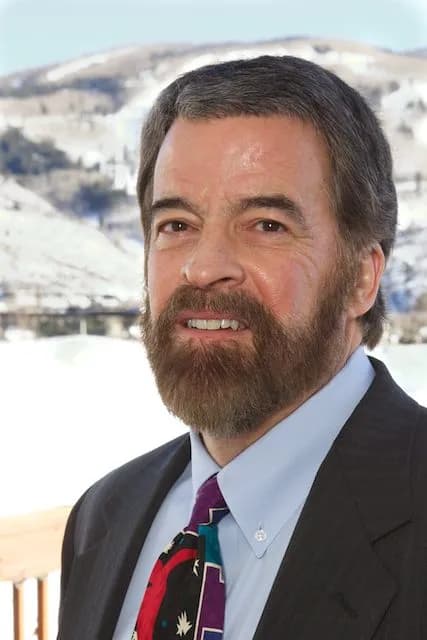
John Romer argues that Colorado Mountain College’s Center for Civics Education is building the infrastructure for a functioning democracy in Eagle County, turning residents into informed voters and community builders.

Aspen —The wind howls down the Eagle River Valley, rattling the windows of Colorado Mountain College’s High Country campus. It’s cold enough to freeze the breath in your lungs. But inside, the air is warm with debate.
Colorado Mountain College’s Center for Civics Education & Engagement isn’t just teaching history. It’s building the infrastructure for a functioning democracy in the mountains.
That’s the core argument from John Romer in his latest opinion piece. He’s pointing to CMC’s model as a beacon for Eagle County and the wider Western Slope. With the nation marking 250 years since the Declaration of Independence and Colorado celebrating 150 years of statehood, Romer argues we’re at a crossroads. We can celebrate with fireworks, or we can work on the civic muscles that keep the lights on.
He calls it a "sesquisemiquincentennial." Try saying that ten times fast while driving I-70 during rush hour. The point is the timing. We are face-to-face with our history. The question is whether we have the courage to engage with it.
Romer doesn’t mince words. Social fragmentation and polarization dominate the headlines. Civics isn’t just a class on government structures. It’s the foundation for ethical leadership. It’s the tool for respectful dialogue. Without it, we’re just shouting past each other.
The Center operates across CMC’s Central Rockies footprint. It’s not an ivory tower. It’s a practical workshop. Through the Common Ground Speaker Series and community education courses, students and residents learn to navigate conflict. They learn mediation. They learn peacemaking.
This matters for Eagle County specifically. Our neighbors wear many hats. They’re small business owners. Educators. Healthcare providers. Volunteers. Public servants. Civics education strengthens that web of engagement. It turns isolated individuals into informed voters and community builders.
Romer notes that this work nurtures people who understand rights and responsibilities. It’s not enough to know what you can do. You have to know what you owe the community.
The article frames civic participation not as a spectator sport. It’s a practice. It requires commitment. Curiosity. Courage.
CMC connects the stories of our past with the challenges of our present. Students learn to listen deeply. To engage thoughtfully. To act responsibly.
This isn’t just about Eagle County. It’s about the Western Slope. It’s about how we handle the next drought, the next budget cut, the next political shift. If we don’t have the skills to collaborate across differences, we fail.
Romer argues that this education strengthens the social fabric. It builds resilience. In a time when trust in institutions is waning, CMC is offering a tangible alternative. They’re equipping residents with the knowledge to participate meaningfully.
The short version: Democracy doesn’t sustain itself. It requires maintenance. CMC is providing the tools. The question is whether we’ll use them.
The celebration of statehood and independence is happening. Festivals are planned. But Romer suggests the real work happens in the classrooms and community centers. It happens when we choose to listen. To debate. To solve problems together.
It’s easy to ignore. It’s harder to do the work. But the alternative is stagnation. And on the Western Slope, stagnation is a luxury we can’t afford.
The Center stands out as an inspiring model. It shows what civic life can look like in our mountain communities. It’s not perfect. But it’s active. And in a fragmented world, active is better than passive.
Romer’s message is clear. We need to renew our commitment to civic values. Freedom of thought. Respect for diversity. Collaboration across differences.
The sesquisemiquincentennial is an invitation. To deepen our understanding of citizenship. To understand community. To stop waiting for someone else to fix it.
We have the college. We have the people. We have the history. Now we need the action.
Keep up with Aspen
The day's Western Slope news, one email each morning. Free.