Colorado Parks and Wildlife Launches Otter YEAR Survey
Colorado Parks and Wildlife has launched a yearlong Otter YEAR survey using the iNaturalist app to track river otter populations across four major river systems and assess ecosystem health.
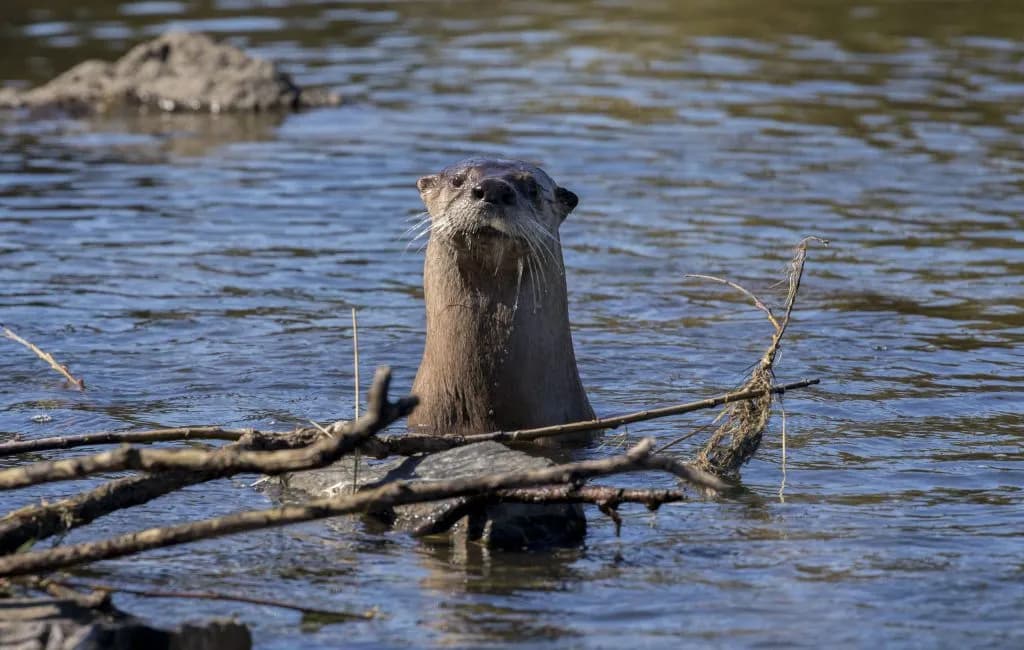
Aspen —Colorado Parks and Wildlife has launched a yearlong survey to determine if river otters are thriving 50 years after their reintroduction, and they need locals to help them count.
The agency, known as Otter YEAR, is tracking the mammals across the Yampa, Green, Colorado, and Gunnison rivers. They’re using the iNaturalist app to log sightings. The goal is simple: see if the population is growing, which would mean the ecosystem is healthy.
“This year’s survey will help us understand the extent of reintroduction success and any limitations to it,” said Bob Inman, Parks and Wildlife’s river otter program manager.
It’s a big deal for folks who fish the Yampa or hike the Gunnison. River otters are Colorado’s largest aquatic weasel. They’re playful, sleek, and they eat crayfish, frogs, and fish. They’re also a keystone species. If the otters are doing well, the water is doing well.
The animals are distinct. They’re 3 to 4.5 feet long, with a rich brown coat and a silvery belly. They swim in eel-like patterns, keeping only their heads and necks above water like a periscope. They’re not beavers. They don’t have flat, bald tails. They’re faster, more social, and much more active in the water.
Inman is asking the public to download the app and submit observations. It’s not just for scientists. It’s for anyone who sees a sleek animal slipping into the river. The data collected this year will inform future conservation work, including potential reintroductions into habitats that are still empty.
The U.S. Fish and Wildlife Service compares their size to an average house cat. But don’t let the size fool you. They’re determined predators. They’ll eat young muskrats and beavers if they have to.
The survey covers four major river systems. That’s a lot of water. It’s a lot of potential sightings. It’s also a lot of data to process.
Parks and Wildlife staff and partner organizations are already conducting surveys. They’re submitting observations through the app. They’re building a picture of where the otters live and how many there are.
The question is whether the public will respond. The agency needs eyes on the ground. Or rather, eyes on the water.
If the population is increasing, it indicates the ecosystem is healthy. That’s the bottom line. It’s a sign that the reintroduction efforts from five decades ago are paying off. It’s a sign that the rivers are still alive.
Inman says the information will help guide future work. It will help them decide where to send otters next. It will help them understand any limitations. It’s a straightforward plan. Track the animals. Learn from them. Protect them.
The Otter YEAR program started on Monday, April 13. It runs for 12 months. That’s a lot of time to watch the water. That’s a lot of time to see if the otters are still here.
The agency isn’t just counting heads. They’re counting health. They’re counting success. They’re counting on you to help.
“If the population is increasing it indicates the ecosystem is healthy,” Inman said.
That’s the goal. That’s the metric. That’s the reason for the survey.
The otters are back. The question is whether they’re staying. The answer will come from the app. It will come from the riverbanks. It will come from the people who live here.
The verdict is still out. But for now, the agency is watching. And they want you to watch with them.
Keep up with Aspen
The day's Western Slope news, one email each morning. Free.


S&P 500 Slips Modestly as Weak Retail Sales and Oil Prices Drive Market Correction

Aspen Essay Connects Generations Through Highway 82 Landmarks