Colorado Parks and Wildlife Launches Otter YEAR to Track River Health
Colorado Parks and Wildlife launches Otter YEAR, inviting the public to use the iNaturalist app to track river otter populations across the Yampa, Green, Colorado, and Gunnison rivers as a key indicator of ecosystem health.
Aspen —Bob Inman wants you to look at the water.
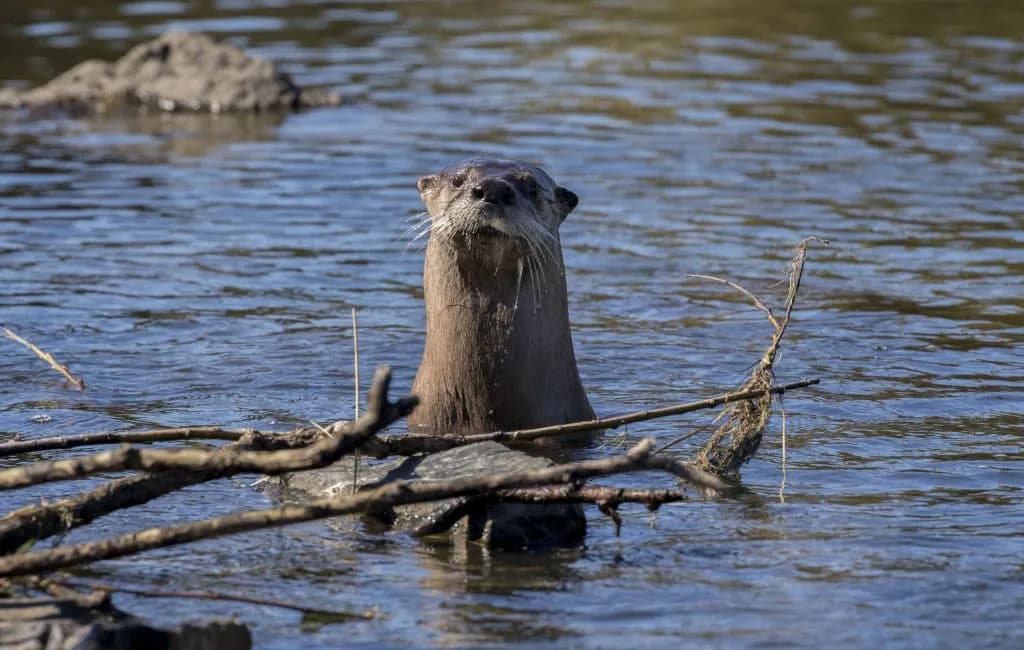
The river otter program manager for Colorado Parks and Wildlife isn’t asking for a guess. He’s asking for data. Specifically, he wants locals to open the iNaturalist app, snap a picture of a sleek, 3-to-4.5-foot predator sliding out of a riverbank, and log it.
This is the start of "Otter YEAR."
Fifty years ago, the state dumped river otters back into the waterways. They thrived. They spread. Now, the agency is dedicating the next 12 months to documenting exactly how they’re doing. The goal is simple: track the population. Map the habitat. See if the reintroduction actually worked.
It sounds like a routine wildlife check-up. It’s not.
The otter is a keystone species. That’s a fancy way of saying the ecosystem collapses without it. If the otter population is climbing, the water is healthy. If it’s flatlining, something is wrong with the river. The state needs to know which one is happening before they decide where to send the next batch of mammals.
The agency is focusing on four main arteries: the Yampa, Green, Colorado, and Gunnison rivers. Staff and partner organizations will hit the ground running. But they can’t be everywhere at once. They need the neighbors.
Locals with smartphones can submit observations directly through the app. It’s community science. It’s crowdsourced biology. It’s the only way to get a clear picture of what these animals are up to across 50 years of history.
Here is the thing most people miss: the otter isn’t just a cute curiosity. It’s a predator. It eats crayfish, frogs, and fish. It eats young muskrats and beavers. It’s a determined, energetic swimmer that spends most of its life in the water, looking like a periscope poking out of the current. It’s Colorado’s largest aquatic weasel. It’s not a house cat, though it’s roughly the same size. It’s longer. Sleeker. Built for speed.
The U.S. Fish and Wildlife Service says they’re comfortable swimmers. Parks and Wildlife says they’re playful. The reality is they’re efficient. And they’re back.
This year’s survey will determine the extent of the reintroduction’s success. It will also highlight the limitations. Where are the gaps? Which habitats remain unoccupied? The data collected in the next 12 months will inform future conservation work. It will decide if the state spends money reintroducing otters to new areas or if it focuses on protecting the ones already here.
Inman put it bluntly in a statement: “This year’s survey will help us understand the extent of reintroduction success and any limitations to it.”
Translation: We need to know if we wasted our time or if we struck gold.
The Yampa runs through Steamboat. The Green cuts through Moab. The Colorado flows through Glenwood and Grand. The Gunnison winds through the high country. These aren’t abstract lines on a map. They are the veins of the Western Slope. If the otter is thriving, the blood is clean.
The state is inviting the public to record observations. You don’t need a degree in biology. You need eyes on the water and a phone with the app.
Make no mistake: this is a test of the ecosystem’s health. And the agency is betting its future conservation dollars on what you see.
The short version? The otter is back. The question is whether it’s staying. And whether the rivers are healthy enough to keep it there.
Watch the app. Watch the rivers. The data starts now.
Keep up with Aspen
The day's Western Slope news, one email each morning. Free.

S&P 500 Slips Modestly as Weak Retail Sales and Oil Prices Drive Market Correction

Aspen Essay Connects Generations Through Highway 82 Landmarks