Colorado Sees Rise in Psychedelic Use After Decriminalization
The rise of psychedelic use in Colorado is a trend worth watching, with more people using them to treat mental health issues. Researchers are working to understand the implications.
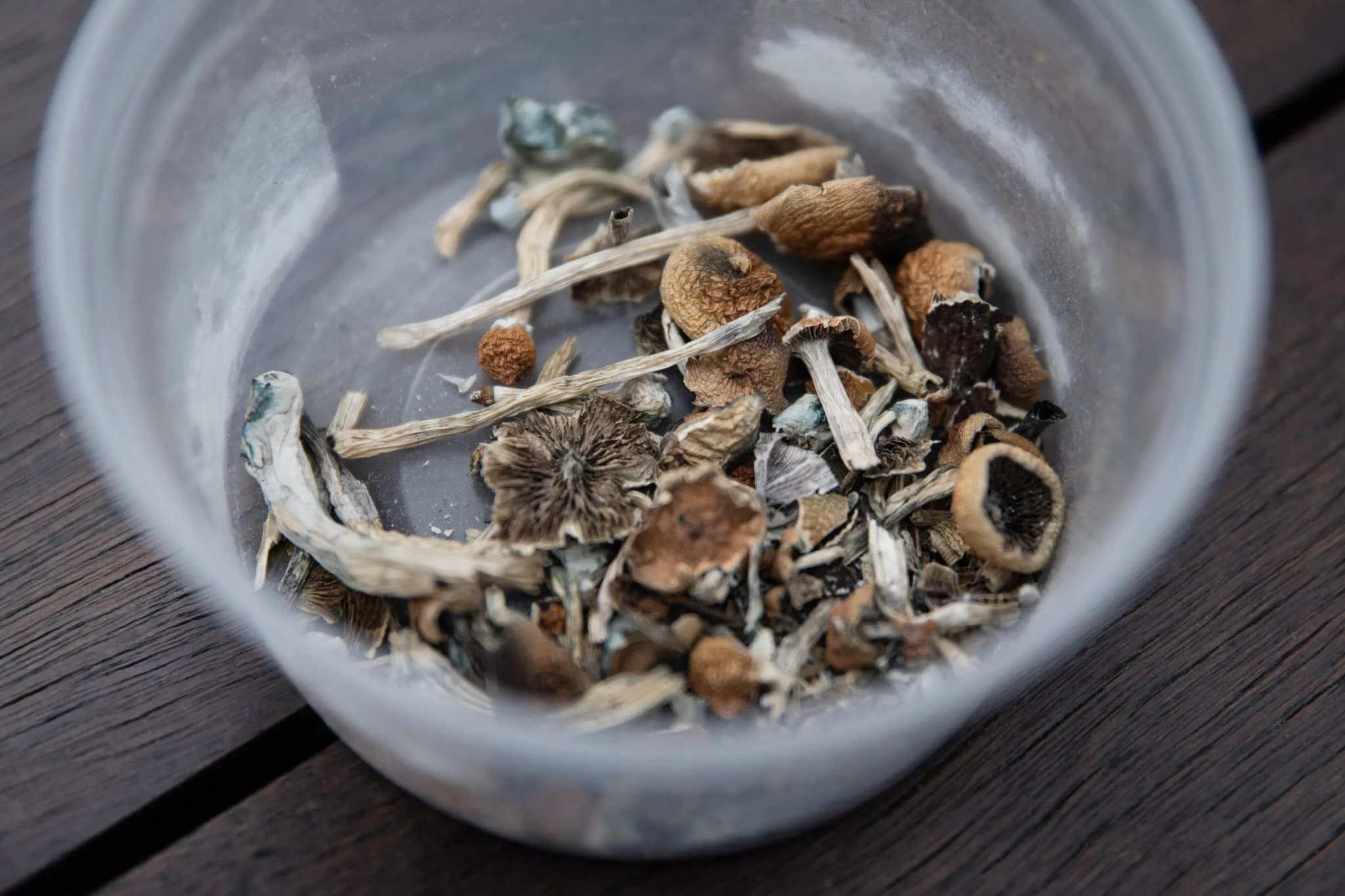
Colorado —"We're not just talking about people using psychedelics to get high, we're talking about people using them to treat mental health issues" — Dr. Andrew Monte, associate director of Rocky Mountain Poison and Drug Safety. Make no mistake, the rise of psychedelic use in Colorado is a trend worth watching. Since the state decriminalized psilocybin, use of the drug appears to have increased, though the jump — 1.8 percentage points to 4.3% of the adult population, is not statistically significant.
The short version: more people are using psychedelics in Colorado, and researchers are trying to understand why. The center based at Denver Health has received $3.1 million in federal funding to continue researching psychedelic use. The grant will allow them to conduct a national survey, with a focus on states like Colorado that are loosening restrictions on psychedelics. The goal is to reach 60,000 people per year and gather data on what specific psychedics people are using and why.
Read that again: 4.5% of survey respondents report having used any psychedelic drug, including psilocybin, ketamine, MDMA, and LSD, in the previous year. That's a significant number, especially considering the potential risks and benefits associated with these substances. Dr. Monte notes that "use in the community is different from use in a clinical trial"; a crucial distinction when it comes to understanding the real-world implications of psychedelic use.
As locals, we need to be aware of the potential consequences of increased psychedelic use in our community. While some people may be using these substances to treat mental health issues, others may be putting themselves at risk of accidental ingestion or adverse reactions. The Center for Medicinal Mindfulness & Psychedelic Sitters School in Boulder is already offering training for licensed facilitators, but more needs to be done to ensure that people are using these substances safely and responsibly.
The rise of psychedelic use in Colorado is not just a local issue - it's a national trend. People are traveling to states like Colorado and Oregon, where psilocybin has been decriminalized, to use the drug. This raises important questions about the potential consequences of increased tourism and the need for more research on the effects of psychedelic use.
Folks around here should be concerned about the potential impact on our emergency services and healthcare system. If more people are using psychedelics, we can expect to see an increase in emergency room visits and potential complications. The National Survey Investigating Hallucinogenic Trends will help researchers understand the scope of the issue and identify areas where more support is needed.
The grant from the National Institute on Drug Abuse is a significant investment in understanding the rise of psychedelic use in Colorado. However, it's unclear whether $3.1 million over five years will be enough to address the complex issues surrounding psychedelic use. As Dr. Monte notes, the goal is to help consumers use psychedelics more safely, help doctors provide better advice, and help states come up with smarter policies. But what about the potential risks and unintended consequences of increased psychedelic use? These are questions that still need to be answered.
What's Next for Psychedelic Research in Colorado?
The research center is taking a crucial step in understanding the rise of psychedelic use in Colorado. However, more needs to be done to address the potential consequences of increased use. The community needs to be aware of the potential risks and benefits associated with these substances, and healthcare professionals need to be equipped to provide guidance and support. One thing is that psychedelic use is on the rise in Colorado, and the long-term consequences are unclear. This is a story that will continue to unfold in the coming months and years. As locals, we need to stay informed and engaged in the conversation about psychedelic use and its potential impact on our community. The question is, what will happen next?
Keep up with Colorado
The day's Western Slope news, one email each morning. Free.
Federal Report Sets 200,000 Acre-Foot Water Conservation Target for Upper Basin
Colorado Parks and Wildlife Deploys Precision Drones for Weed Control