Colorado Records Record 7,000 Human-Bear Incidents in 2026
Colorado Parks and Wildlife logged over 7,000 human-bear incidents in 2026, the highest count in state history. A severe food shortage driven by drought and wildfire has forced starving bears into residential areas.

Aspen —Colorado Parks and Wildlife received more than 7,000 reports of human-bear incidents in 2026, marking the highest level of conflict recorded in the state’s history.
The surge comes as bears enter “hyperphagia,” a period of extreme, insatiable hunger in late summer and fall when animals eat nonstop to gain three to four pounds a day before denning. For residents of Livingston, this means the bears roaming near your property are not just curious; they are desperate.
According to a report by the Aspen Times, this is likely the worst natural food year for bears statewide since CPW began recording conditions in 2008. The failure stems from a combination of factors: the historic low-snowpack of the 2025-26 winter, prolonged drought, late spring freezes that prevented lower-elevation mast from developing, a dry summer, major wildfires, and hail. Hard mast — nuts and seeds — is critical for calorie density, but much of it never formed or was destroyed.
When bears cannot find enough wild food, they turn to us. The instinct is to help the starving animals, but doing so makes the situation more dangerous. Providing food, whether intentionally or by negligently leaving attractants unsecured, trains bears to associate humans with calories.
Colorado has invested heavily in mitigation. CPW awarded $5 million in additional funding over the last five years through the Human-Bear Conflict Reduction Grant, supporting more than 80 applicants statewide with proven tools like bear-resistant trash containers. In 2024, CPW convened a Statewide Bear Working Group that developed legislation introduced in spring 2026. That law, signed by Gov. Jared Polis, stiffens penalties for those found knowingly luring bears by leaving food or attractants on the landscape.
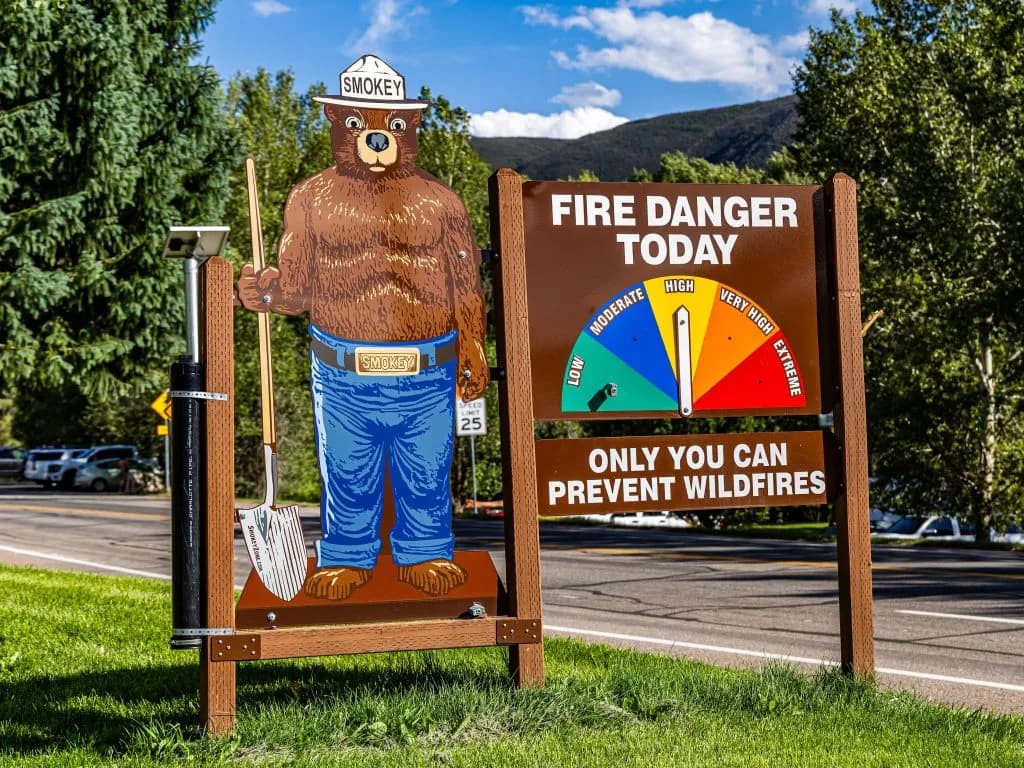
The message from wildlife managers is consistent: secure your trash, remove bird feeders during months bears are active, and do not feed the animals you see.
The Reality on the Ground
If you look closely at the landscape this month, you can see the stress. The understory is sparse where it should be thick with berries and nuts. The air smells of dry pine needles and woodsmoke from distant fires that consumed the forage bears need.
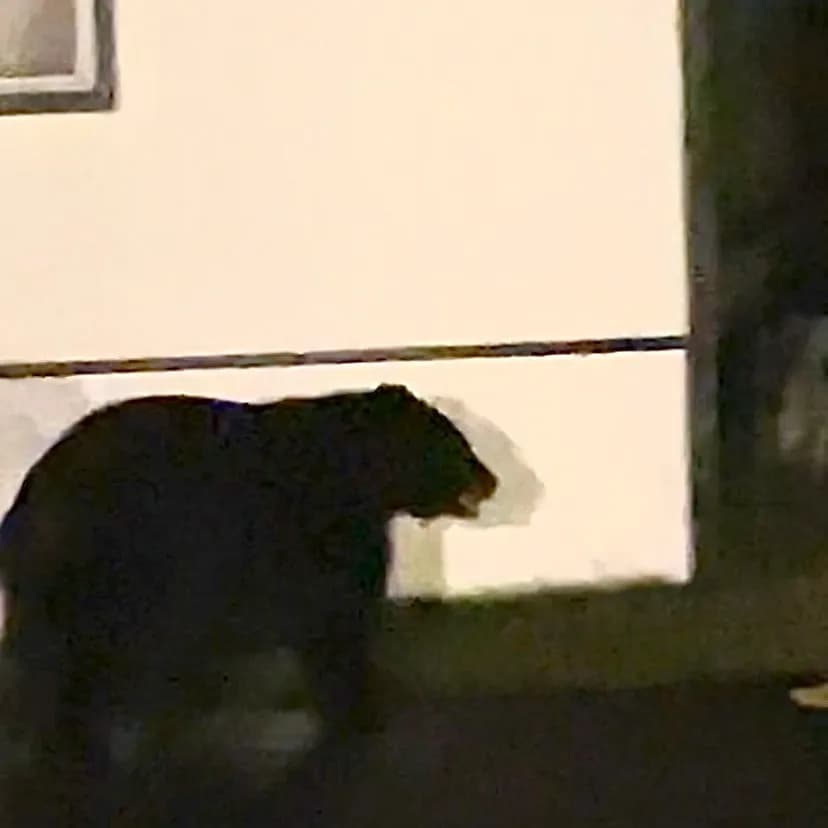
For folks around here, this is a test of discipline. You might see a black bear near your fence line or in the yard. It is not there to be fed; it is there because its natural pantry was empty. The tension in the valley is palpable, a low hum of anxiety that comes with knowing these powerful animals are hungry and close.
The legislation passed this spring changes the legal landscape for those who let their curiosity override caution. Penalties are stiffer now, reflecting the severity of a year where food failure is widespread rather than limited to a few areas.
As the days shorten and temperatures drop, bears will move closer to human habitation in search of calories. The work of securing trash and removing attractants is not a suggestion; it is the primary tool we have to keep both people and bears safe.
The last thing you want is a bear that has learned your back door smells like bacon grease or open trash. That learning happens fast, and unlearning it is slow, often involving a rifle or a trap.
Right now, the bears are eating whatever they can find in the wild remnants of this failed season. They are doing what they have done for thousands of years, but the landscape has changed beneath their paws. The dryness is visible in the cracked earth and the brittle leaves.
You can feel it in the silence of the woods, too, less rustling than usual because there is less to forage on. The bears are working harder, moving further, getting hungrier.
That hunger is the story of 2026 on the Western Slope. It is a year defined by scarcity, and it demands that we respect the boundary between our kitchens and their survival.
Keep up with Aspen
The day's Western Slope news, one email each morning. Free.