Colorado School of Mines Study Shows Climate Change Shifts Rio Grande Water Timing
A new Colorado School of Mines study reveals that climate change is shifting the timing of Rio Grande runoff, creating significant conflicts between senior and junior water rights holders in Costilla County.
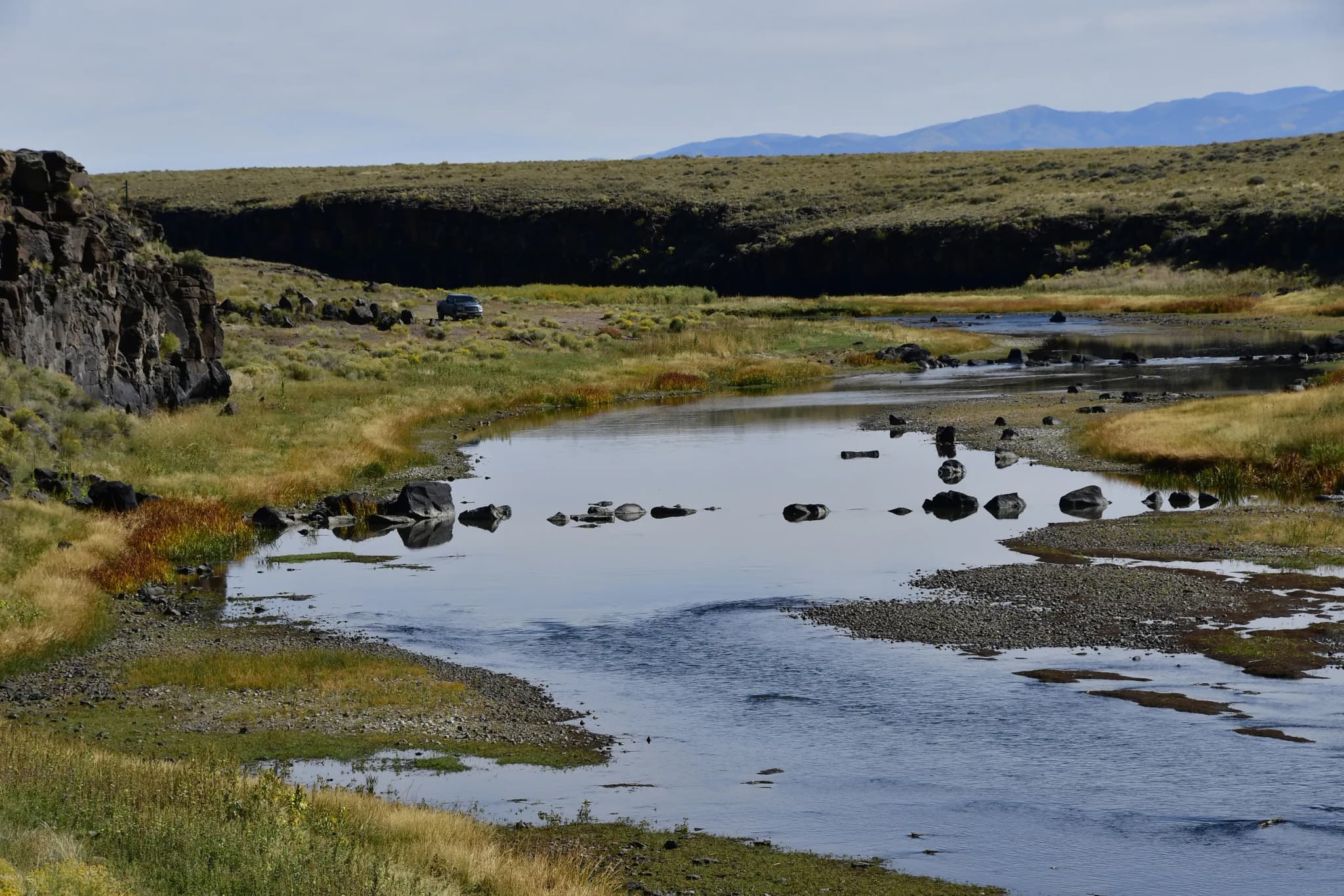
Colorado —The Rio Grande is at its low point this time of year. It’s a familiar sight for folks in Costilla County, just north of the Colorado-New Mexico border, where the river flows thin and slow through late September. But John McEvoy’s photo from last Friday captures more than just a seasonal dip. It captures a shift in the rules of the game.
For decades, the question about Colorado’s water was simple: How much is there? And if there’s enough, where does it go?
Now, a new study from the Colorado School of Mines suggests a third question is just as critical: When?
Steven Smith, an economist at Mines, and Adrienne Marshall, a hydrologist, didn’t just crunch numbers in a vacuum. They looked at real data from the Rio Grande headwaters over more than 70 years. What they found is that climate change is rewiring the timing of our water supply. Warmer temperatures are melting snow earlier and causing more rain to fall instead of snow, which spreads out peak runoff over a longer period.
This isn’t just academic. It’s a problem for the guy trying to irrigate his alfalfa and the city trying to keep its taps running.
Under Colorado water law, senior rights holders get priority. If there’s a shortage, they get their water first. Junior holders get what’s left. The assumption has always been that a senior right means you’re a big, wealthy operation with deep pockets. But the study points out that’s not always true. In the Rio Grande basin, the most senior rights holders are sometimes small farming operations on communal ancient land-grant ditches. They use relatively small amounts of water, but their rights date back centuries.
“We were seeing a change where the junior irrigators were getting reduced by 20% of their water, whereas the seniors were getting 12% more water than normal,” Smith said.
That’s the disconnect. The total amount of water might be similar, but the timing has shifted. Junior irrigators, who rely on predictable spring runoff to plant crops, are getting squeezed. They’re losing a fifth of their allocation while seniors, who might not even need that extra water right then, are taking more than usual.
The study notes that water rights in Colorado are often allocated based on daily flows. That system doesn’t account for variations over a full season. If the peak comes later or stretches out over ten extra days, the daily snapshots miss the bigger picture. The spread of water flows in some years now lasts 10 days longer than average.
This puts senior and junior rights holders at odds during seasonal extremes. It’s not just about scarcity anymore; it’s about timing. As Smith and Marshall put it, the combination of warmer temperatures and shifted timing is likely to intensify drought impacts on junior water users. They receive water only after senior rights are fulfilled, and if the senior’s "normal" has shifted earlier or later, the junior gets the short end of the stick.
The data supports this. The study shows that changes in water availability don’t map neatly onto broader measures of social or economic equity. The people with the oldest rights aren’t always the biggest consumers. And the people with the newest rights aren’t always the ones who can afford to wait.
How this plays out in the courts and on the farm remains to be seen. But for now, the clock is ticking differently than it used to.
Keep up with Colorado
The day's Western Slope news, one email each morning. Free.
Federal Report Sets 200,000 Acre-Foot Water Conservation Target for Upper Basin
Colorado Parks and Wildlife Deploys Precision Drones for Weed Control