Colorado Secures $333M BNSF Deal for Denver-Fort Collins Passenger Rail
Governor Polis adviser Lisa Kaufmann announces a tentative $333 million agreement with BNSF Railway to launch passenger rail service between Denver and Fort Collins, ending a two-decade wait for the project.
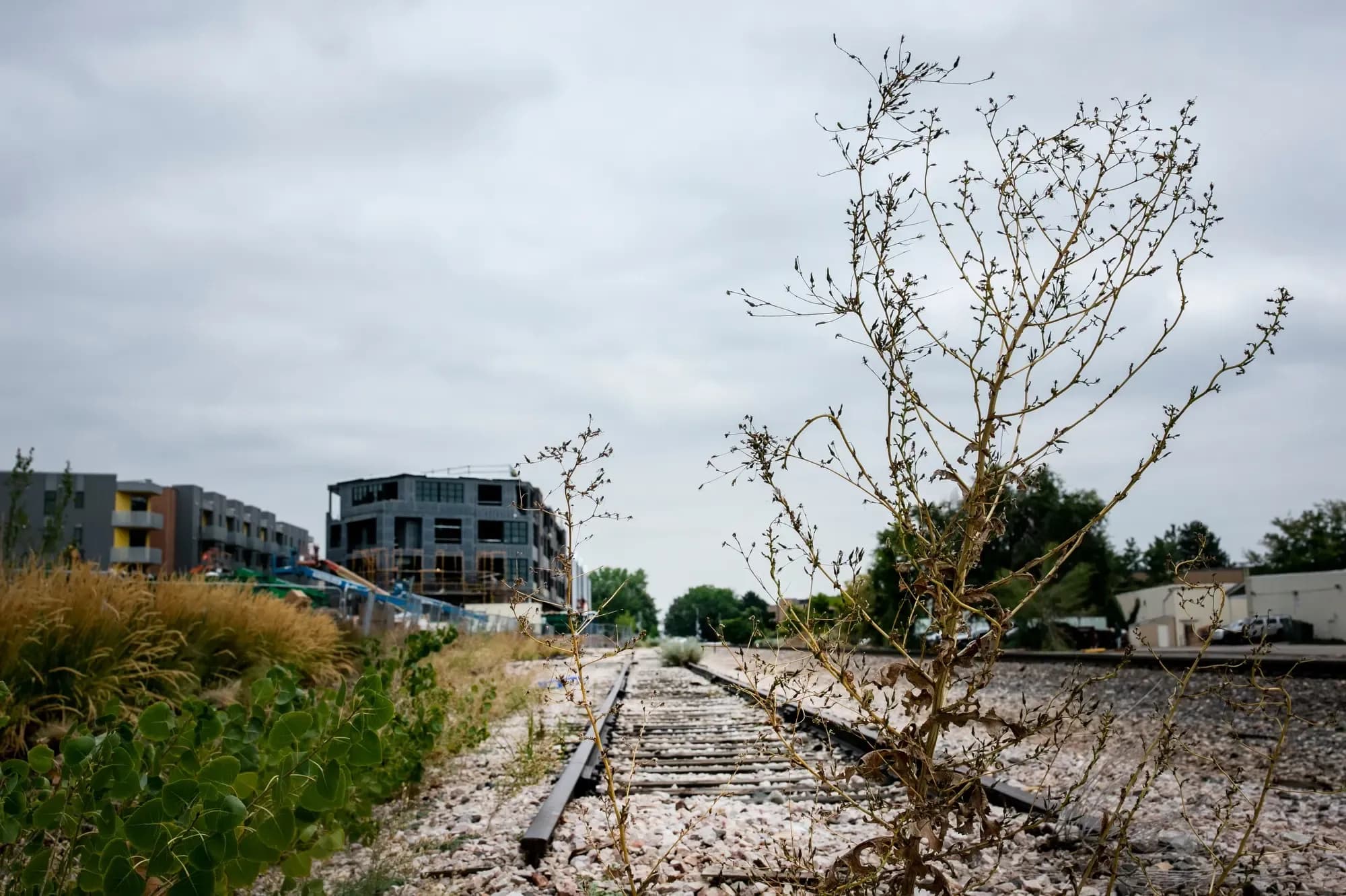
Colorado —The morning fog still clings to the flatirons, a pale gray shroud that softens the jagged edges of the rock formations as the first light hits them. It’s a view that has remained unchanged for millennia, yet for twenty-two years, the promise of a train cutting through that landscape has felt just as distant, just as static. Now, the state of Colorado has reached a tentative agreement with BNSF Railway to finally host the long-promised passenger rail service to Northern Colorado, ending a bureaucratic stalemate that has left the region waiting for a connection that was supposed to be here long before many of us bought our first homes.
Lisa Kaufmann, Governor Jared Polis’s top adviser and former chief of staff, announced the term sheet this week, framing it as the key that unlocks a door which has been stuck shut since 2004. That was the year voters approved the idea of passenger rail from Denver to Northern Colorado, but without an agreement on how to pay the host railroad or how to fund the infrastructure, the project languished in the weeds. Now, Kaufmann says, there is a clear path. The total one-time estimated cost sits at $333 million, a figure that is roughly half of what initial projections suggested. It’s a significant reduction, driven by a strategic decision to run only three daily round trips between Denver and Fort Collins, rather than a sprawling, expensive network that tried to do too much too soon.
The route itself tells a story of practical compromise. Passengers would depart from Denver’s Union Station, taking the RTD B line to Westminster before transferring to the BNSF line. From there, the train would wind its way through Broomfield, Louisville, Boulder, Longmont, Loveland, and finally Fort Collins. Kaufmann noted that the schedule is designed to avoid the need for extensive sidings, which means trains don’t have to wait for each other to pass. This efficiency lowers the cost. The stops are placed with an eye toward existing infrastructure, too. Where taxpayers have already sunk money into large parking structures, the platforms are positioned within walking distance, avoiding the need to build new, expensive hubs from scratch.
But where does the money come from? The state isn’t waiting for a federal bailout. The project is funded by a mix of the state’s $3-a-day congestion impact fee on rental cars, a fee on oil and gas production, and a balance of about $190 million sitting in the RTD FasTracks savings account. That savings account alone could pay for the project in cash, leaving room to continue working on unfinished FasTracks projects. However, the congestion fee is currently tied up in court, sitting in front of the 10th Circuit Court of Appeals. If that ruling goes the other way, the funding stream could dry up, so the state is moving fast. Kaufmann said the hope is to get final sign-off on fully funding the project by the end of the year, before the legal dust settles completely.
This Denver-to-Fort Collins section is just the first phase of the larger Front Range Passenger Rail line, which aims to connect Pueblo, Colorado Springs, and the smaller cities in between. It’s a massive undertaking, but the initial numbers suggest it’s no longer a pipe dream. The annual operating fee is projected to be around $30 million, a figure that requires coordination between state and regional entities rather than separate, competing services.
If you look closely at the map, you can see the potential. A train rolling past the wheat fields of Weld County, stopping in Louisville where the air smells faintly of pine and exhaust, and finally pulling into Fort Collins as the sun dips below the horizon. It’s a tangible connection, one that could change how people commute, how businesses operate, and how the region breathes. The rough edges remain — the court case, the need for local approvals — but the path is finally clear. The tracks are waiting.
Keep up with Colorado
The day's Western Slope news, one email each morning. Free.
Federal Report Sets 200,000 Acre-Foot Water Conservation Target for Upper Basin
Colorado Parks and Wildlife Deploys Precision Drones for Weed Control