Colorado Faces Severe Water Shortage Amid Historic Low Snowpack
Colorado is experiencing its worst snowpack in history, putting $2.8 billion in agricultural production at risk. Experts are working to address the crisis, but the situation is dire and demands immediate attention and action.
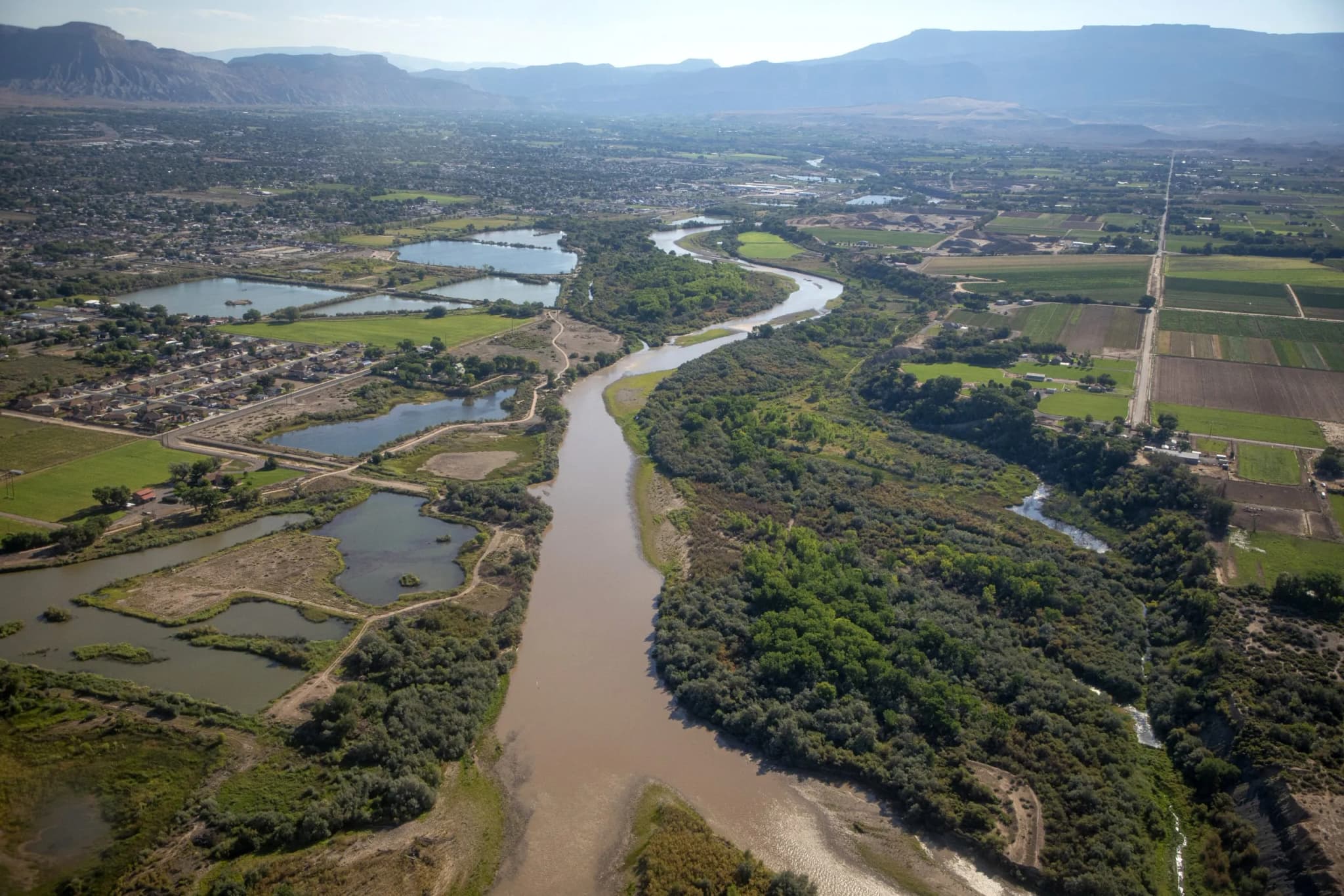
Colorado —$2.8 billion in agricultural production is at risk — that's what's on the line as Colorado faces its worst snowpack in history. Neighbors, this isn't a drill. The Colorado River District staff presented grim data to a crowd of 200 farmers, water professionals, and community members in Grand Junction. The message was clear: Colorado and downstream states are in for a severe water shortage.
Raquel Flinker, the district's director of interstate and regional water resources, made it plain — 2026 is beyond anything we've seen before. The state is headed into uncharted territory, and experts are scrambling to get the best data possible. That's where Airborne Snow Observatories Inc. (ASO) comes in. They're using new methods, like laser technology; to measure snowpack.
In March, ASO teams did 18 flights in seven days across Colorado, covering watersheds from St. Vrain and Big Thompson in the north to the Rio Grande, Boulder Creek, Roaring Fork, and Dolores in central and southern parts of the state. What they found was more bad news. Jeff Deems, co-founder and chief technical officer with ASO, said it's been "pretty frantic."
The ASO flights provide detailed and accurate snapshots of conditions in each watershed. Water managers use this data to complement federal information. It gives them a better idea of how much water is in the mountains and what the summer water supply might look like. But make no mistake - the news is dire.
Mountain snowpack is a vital water source for Coloradans and downstream communities in 19 states and Mexico. For decades, we've relied on federal data from snow-telemetry stations. the SNOTEL network. This network has been around since the 1970s and has over 900 stations in the West, with 114 in Colorado. But this year, even that data is showing the severity of the situation.
The SNOTEL network provides continuous data, and many stations have decades of historical data. But this year, the numbers are alarming. The Colorado River District staff presented graph after graph, each one showing the same fundamental message: we're in trouble.
Read that again, $2.8 billion in agricultural production is at risk. That's what Delta County spends on road maintenance in a year, multiplied by 20. The short version: our water supply is in crisis, and we need to act fast.
The ASO teams are working to fine-tune the data, to give water managers the best possible information. But it's not just about the numbers; it's about the people and communities that rely on this water. Folks around here know how important snowpack is. We're not just talking about farmers and reservoir operators; we're talking about entire towns and cities that depend on this water.
The question is - what's being done to address this crisis? The Colorado River District staff is working to get the best data possible, but what about the state and federal governments? What about the long-term plans to address this issue?
The ASO flights may provide some answers, but they also raise more questions. One thing that's become clear is that this crisis demands attention and action. The situation is dire, and we must take immediate action to mitigate its effects.
The Human Impact
The human impact of this crisis can't be overstated. We're talking about people's livelihoods, their homes, and their communities. The Colorado River District staff is working to mitigate the effects, but it's a daunting task.
Jeff Deems said it's been "pretty frantic", that's an understatement. The situation is dire, and we need to treat it as such. We cannot afford to underestimate the severity of this crisis; we need to take action.
The Colorado Sun reported that the presentation in Grand Junction was attended by 200 people; farmers, water professionals, and community members. They're all looking for answers, but the truth is, there aren't many.
Raquel Flinker made it clear - 2026 is beyond anything we've seen before. That's not just a statement; it's a warning. We need to take this crisis seriously and work together to find solutions.
The ASO flights may provide some data, but it's up to us to use that information to make a difference. We must take responsibility and work together to address the severe water shortage that threatens the state's agricultural production, which is valued at $2.8 billion.
Worth watching, the response from state and federal governments. Will they take this crisis seriously, or will they fail to provide adequate support? The community is waiting for answers, but so far, they're not getting many.
The situation is grim, and we need to treat it as such. We must take immediate action to address the crisis, rather than simply reacting to its consequences. The future of our state and our communities depends on it.
Make no mistake; this crisis demands attention and action. We can't just rely on data and technology; we need to take responsibility and work together to find solutions.
The clock is ticking, and we're running out of time. The water supply is in crisis, and one of the most critical industries in the state, agriculture, is at significant risk, with potential losses that could exceed the annual road maintenance budget for Delta County by a factor of 20.
Read that again - the state's agricultural sector is facing an unprecedented threat. That's what's on the line, and we can't afford to lose it. The future of our state and our communities depends on it.
The situation is dire, and we need to take it seriously. We must take action to address the crisis, rather than simply reacting to its consequences. The clock is ticking, and we're running out of time.
Keep up with Colorado
The day's Western Slope news, one email each morning. Free.
Federal Report Sets 200,000 Acre-Foot Water Conservation Target for Upper Basin
Colorado Parks and Wildlife Deploys Precision Drones for Weed Control