Colorado Snowpack Hits Historic Low
Colorado's snowpack has reached its lowest level on record, prompting concerns about a severe water shortage and its impact on the community.
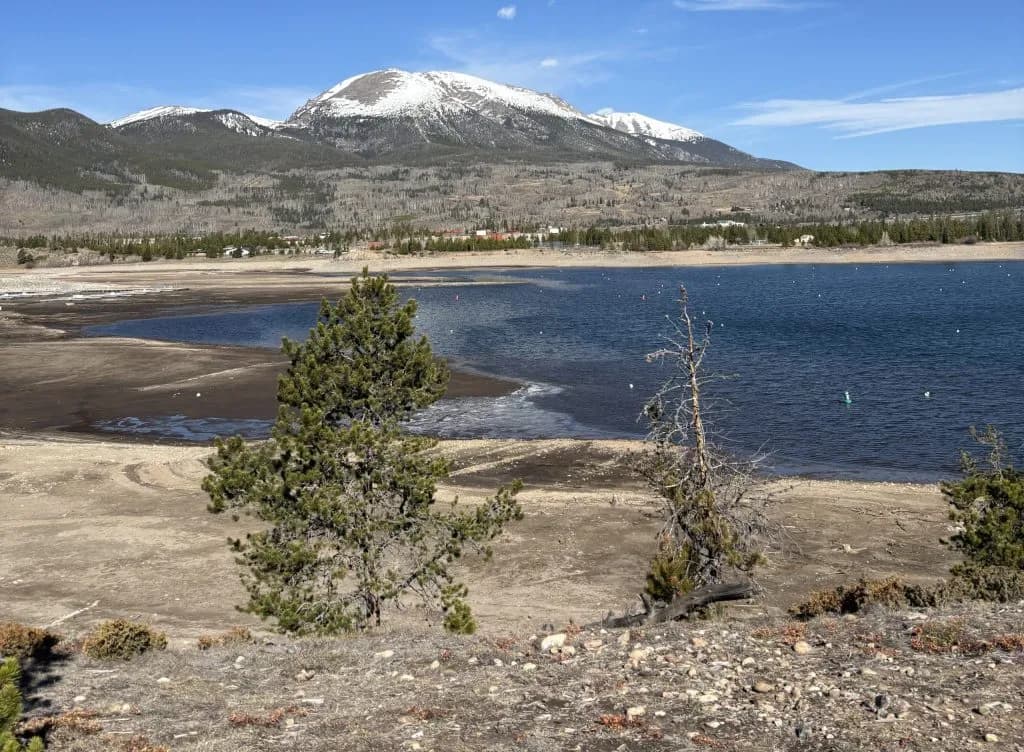
Glenwood Springs —"We're now sitting at Colorado's worst snowpack on record, surpassing the winters of 1976-77 and 1980-81," says Allie Mazurek, Colorado Climate Center Engagement Climatologist. This statement comes after a record-smashing heatwave hit the state, causing an unprecedented decline in snowpack levels. Make no mistake, this is not just a matter of low snowfall - it's a historic low.
The Colorado Climate Center has been tracking snowpack levels throughout the winter, and the data is alarming. The state's modern snow telemetry system, which dates back to the early 1980s, indicates that this is the lowest snowpack in decades. However, to make comparisons to previous low-snow winters, climatologists have had to rely on manual snowpack data collected since the 1930s. This data suggests that the current snowpack levels are the lowest on record for this time of year.
The heatwave that hit Colorado in March was unprecedented, with temperatures smashing records across the state. Mazurek describes it as "record-smashing, extraordinary and impossible to ignore." The warmest March temperatures ever recorded were seen in pretty much all of Colorado, with some areas breaking records by 5 degrees Fahrenheit or more. This kind of heat is typically seen in June or July, not March. The impact of this heatwave on snowpack levels cannot be overstated. The rapid melting of snow has caused a massive decline in snowpack levels, with the Colorado Climate Center indicating that the state is likely experiencing its most severe snowpack shortage in history. This has significant implications for the state's water supply, as snowpack acts as a natural reservoir, providing water to rivers and streams throughout the year. The state's water supply will be severely impacted, and one of the most critical concerns is how this will affect the community, from farmers to skiers, and everyone in between.
The short version is this: Colorado's snowpack is at historic lows, and the state is facing a potentially severe water shortage. One of the biggest concerns is how the low snowpack will impact the community.
As the state moves forward, it's worth watching how officials respond to this crisis. What measures will be taken to address the water shortage? How will the state support those affected by the low snowpack? These are questions that need to be answered, and the community deserves transparency and action from its leaders.
One of the most pressing issues is that the state's snowpack levels have dropped to unprecedented levels, and it's going to be a long, dry summer.
Keep up with Glenwood Springs
The day's Western Slope news, one email each morning. Free.

Twin Lakes Releases 2,500 Acre-Feet to Save Upper Arkansas River

Glenwood Springs Resident Calls for Active Citizenship Amid AI Data Center Water Threats