Craig Coal Plant Operation Extended Despite Opposition
The US Energy Department has extended an emergency order to keep the Craig coal plant running, sparking controversy and opposition from stakeholders in Colorado.
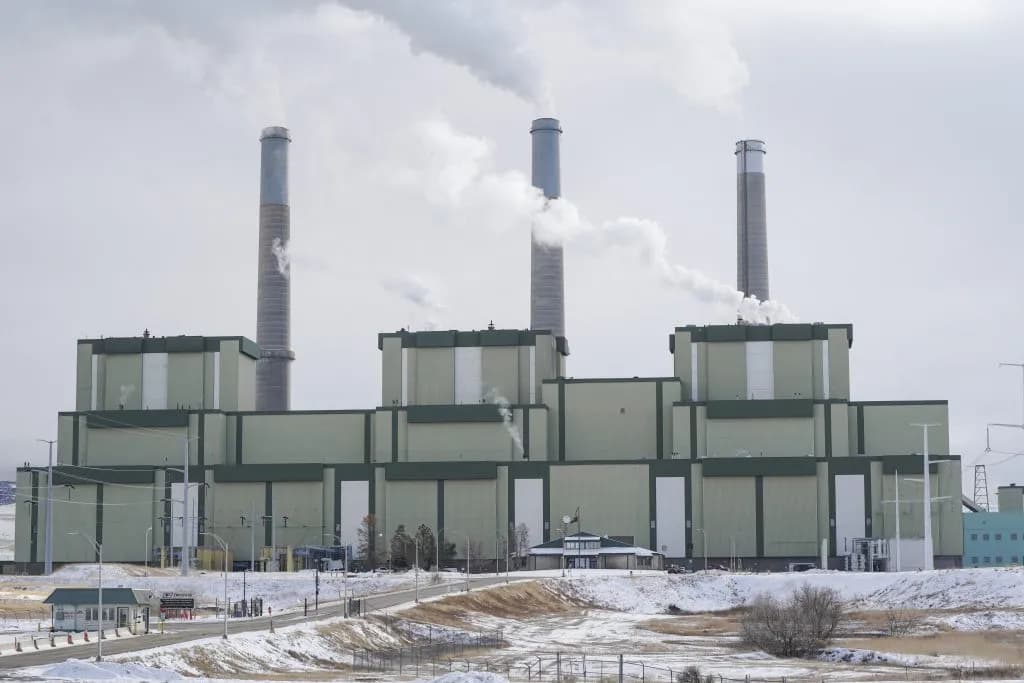
Glenwood Springs —Snowflakes fall gently on the streets of Craig, a town in Moffat County where the aging Craig coal plant has been a mainstay for decades. The plant's smokestack stands tall, a reminder of the region's industrial past. But the plant's future is now uncertain, as the US Energy Department has extended an emergency order to keep it running beyond its initial retirement date.
The Energy Department first issued the order on December 30, citing an energy "emergency" in the West due to a shortage of electric energy. The order was extended on Monday, with Energy Secretary Chris Wright stating that the "accelerated retirement" of power plants could lead to power outages and risks to public health and safety. The extension will keep the Craig station operating through at least June 28.
Make no mistake, this decision will have significant implications for Coloradans. The plant's co-owners, including Tri-State Generation and Transmission Association, have already had to pour money into keeping the unit available, and those costs will likely be passed on to consumers. Leslie Coleman, senior attorney with Earthjustice's Rocky Mountain Office, criticized the decision, stating that the Trump administration has "doubled down on an order that no one seems to want except the coal industry."
The Trump administration has used similar tactics to keep open coal plants in other states, including Michigan, Washington, and Indiana. However, Colorado Attorney General Phil Weiser and a coalition of environmental groups have filed lawsuits against the Energy Department, claiming that the department is abusing its authority under the Federal Power Act. Weiser stated that "there is no energy emergency, and stopping the Craig unit's retirement would not ease any imagined energy need."
It's worth watching how this situation unfolds, as the Energy Department's decision has sparked controversy and opposition from various stakeholders. The plant's co-owners, including Tri-State Generation and Transmission Association and the Platte River Power Authority, have also expressed their opposition to keeping the plant running. The more than 40-year-old plant was already shut down in December, and its continued operation will only add to the costs and pollution in the region. The short version is that the Energy Department's decision will keep this coal-fired facility running, despite opposition from various stakeholders. This will result in unnecessary costs and pollution, and it's unclear how this decision will impact the region's energy needs. Read that again - the Energy Department is keeping a coal plant open, despite the fact that its co-owners and state regulators had planned for its retirement.
As the situation continues to unfold, the potential consequences of the Energy Department's decision will become clearer. The costs of keeping the plant running will likely be passed on to consumers, and the continued operation of the plant will only add to the pollution in the region. The community will be watching closely to see how this situation develops, and the long-term implications are still uncertain.
In Moffat County, where the plant is located, the decision will have a significant impact on the local economy and environment. The facility has been a major employer in the region, but its continued operation will only perpetuate the region's reliance on fossil fuels. The county's residents will be affected by the increased costs and pollution, and the region will have to adapt to the changing energy landscape.
The Energy Department's decision has sparked a heated debate, with some arguing that it's necessary to ensure energy security, while others claim that it's an abuse of power. As the lawsuits against the Energy Department move forward, it's clear that this issue will not be resolved anytime soon. The community will continue to watch closely, as the situation unfolds and the implications of the Energy Department's decision become clearer.
The fact that the Energy Department is keeping the plant open, despite opposition from its co-owners and state regulators, raises questions about the agency's priorities and motivations. The decision will have far-reaching consequences, and the community deserves transparency and accountability, but whether the Energy Department's decision will provide that is unclear.
Keep up with Glenwood Springs
The day's Western Slope news, one email each morning. Free.


Twin Lakes Releases 2,500 Acre-Feet to Save Upper Arkansas River

Glenwood Springs Resident Calls for Active Citizenship Amid AI Data Center Water Threats