Denver Water Faces $30 Million to $70 Million Revenue Loss
Denver Water anticipates a significant revenue loss due to drought restrictions, affecting 1.5 million people and prompting drought fees to encourage conservation.
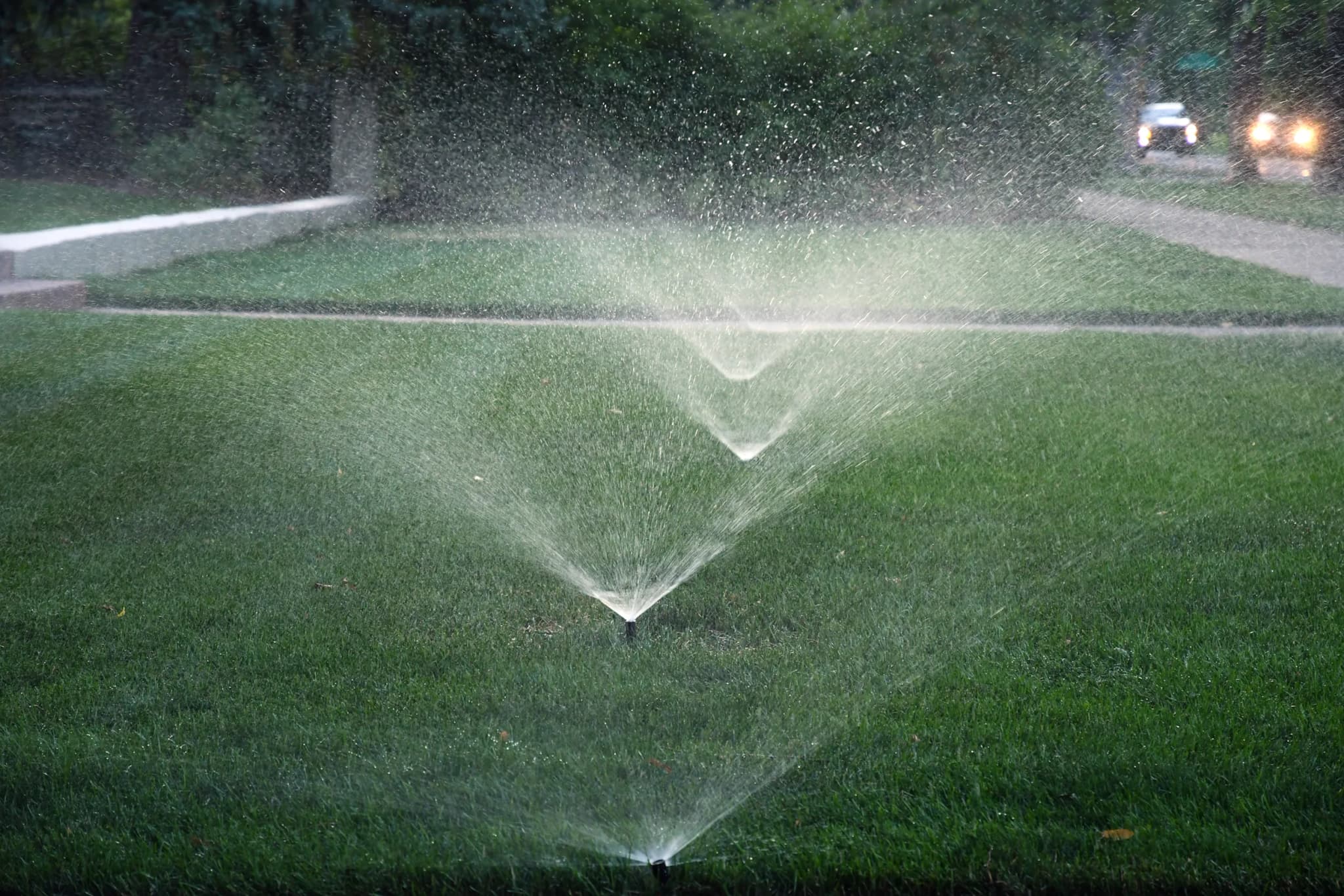
Colorado —$30 million to $70 million - that's the estimated loss in revenue Denver Water is facing due to drought restrictions. This will impact 1.5 million people in the city and its southern and western suburbs. Despite conservation efforts, water bills will rise. Drought fees are being imposed to encourage conservation and buffer budgets against lost water sales.
Denver has announced Stage 1 drought restrictions, with surcharges designed to penalize high-volume outdoor water use. The price for drinking, cooking, and bathing water will remain unchanged. Surcharges will vary depending on indoor and outdoor water use. A low surcharge for a conservation-minded homeowner might be $7 per bill, but could rise to $76 a month for high outdoor water use.
Todd Hartman, Denver Water spokesperson, says the agency will use cash reserves to offset lower water sales and reduce costs. This includes leaving job vacancies open longer. The goal is to reduce water use by 10% to 20% to protect reservoir storage. Reservoirs are currently at 80% of average capacity, but heavy use could drain them quickly, causing shortages next year.
Chris Goemans, a professor at Colorado State University, says drought fees are an important tool in water conservation. They can have a lasting impact on water use. The fees will be re-evaluated monthly, with changes made as needed. This approach will help Denver Water adapt to the ongoing drought.
The drought fees will affect different users differently. Commercial users, like golf courses and parks, will face higher fees due to their high water use. Residential users who conserve water will see lower fees. The city aims to encourage conservation while ensuring essential services remain affordable.
Denver Water's annual revenue is $488.5 million. The estimated loss from drought restrictions is significant, ranging from $30 million to $70 million. The agency must balance its budget while promoting conservation. This will be a challenge, especially if the drought persists.
The situation is not unique to Denver. Other cities in Colorado are facing similar challenges. The state's record-low mountain snows and scorching hot spring have exacerbated the drought. Reservoir storage is stable for now, but heavy use could lead to shortages.
The impact of the drought fees on local businesses and residents is worth watching. Will the fees be effective in reducing water use, or will they place an undue burden on those who cannot afford them? The city must consider these questions as it moves forward with its drought management plan.
Make no mistake, the drought fees are not a temporary measure. They will be in place as long as the drought persists. The city will continue to monitor water use and adjust the fees as needed. The goal is to ensure a sustainable water supply for the future.
The short version: water bills will rise, even for those who conserve. The drought fees are a necessary measure to protect reservoir storage and ensure a sustainable water supply. One key aspect of the plan is that fees will be imposed to encourage conservation, and these fees will have a lasting impact on the community.
Read that again: the estimated revenue loss is substantial, and it will have a significant impact on the city's budget. This is not a small issue. The city must find a balance between promoting conservation and ensuring essential services remain affordable. One aspect of the drought management plan is the implementation of drought fees, and their effects will continue to evolve.
In Delta County, the impact of the drought will be felt differently. The county's water supply is not as heavily reliant on Denver Water, but the drought will still have an effect. Local farmers and ranchers will need to adapt to the changing water availability. The county's road maintenance budget is comparable to the one facing Denver Water, which expects to lose a significant amount of revenue due to drought restrictions.
The drought is not just a Denver issue; it's a statewide problem. Other cities and towns will need to implement their own drought management plans. The state's reservoir storage is stable for now, but this could change quickly. The next few months will be critical in determining the severity of the drought.
For folks around here, the drought means more than just higher water bills. It means a change in lifestyle. Water conservation will become a way of life, not just a suggestion. The city and state will need to work together to ensure a sustainable water supply for the future. This will require creativity, adaptability, and a willingness to make difficult decisions.
The situation is complex, and there are no easy answers. The drought fees are part of a larger plan to address the drought. The city and state will need to continue to monitor the situation and make adjustments as needed. The drought will have a lasting impact on Colorado's water supply, and its effects will be felt for years to come.
Keep up with Colorado
The day's Western Slope news, one email each morning. Free.


Federal Report Sets 200,000 Acre-Foot Water Conservation Target for Upper Basin

Colorado Parks and Wildlife Deploys Precision Drones for Weed Control