Colorado Loses Competitive Edge with $13.6 Million Economic Impact
Colorado's declining competitive edge has resulted in a significant economic impact, with an estimated loss of $13.6 million. The state's increasing regulatory burden is a major contributor to this decline.

Colorado —$13.6 million - that's the estimated economic impact of the 13,607 jobs lost to other states, according to the 2025 Relocation Tracker report. On a crisp morning in Grand Junction, the sounds of construction and renovation fill the air, a stark contrast to the concerns of local business leaders. As the sun rises over the Colorado National Monument, the reality of the state's declining competitive edge sets in.
For comparison, the city of Delta spends around $1.3 million on economic development initiatives annually. The loss of these jobs and the subsequent decline in economic activity will undoubtedly be felt by folks around here, from the owners of small businesses on Main Street to the families who rely on the stability of local employment.
The trend is clear: Colorado's business climate is becoming less attractive. The state's ranking in CNBC's annual list of "America's Top States for Business" has fallen from the top 10 to 11th, and then to 16th, before slightly rebounding to 11th last year. This shift is not just a matter of prestige; it has real-world implications for the local economy.
Follow the money: the 98 companies that have left Colorado since 2019 or chosen to expand elsewhere have taken with them significant investments and opportunities for growth. The departure of companies like Palantir, which relocated to Miami in February, is a notable example of this trend.
Rachel Beck, executive director of the Colorado Chamber Foundation, points to the growing number of regulations as a major contributor to this decline. "We are the sixth-most regulated state in the country, and the rate of regulations is growing at a faster rate than the rest of the country," she said. This increase in regulatory burden is a concern for businesses, which must navigate an increasingly complex landscape.
The 2025 Relocation Tracker report is part of a 10-year plan to use data and research to improve the business climate in the state. By analyzing state regulations and tracking data, researchers hope to identify areas for improvement and provide recommendations for policymakers.
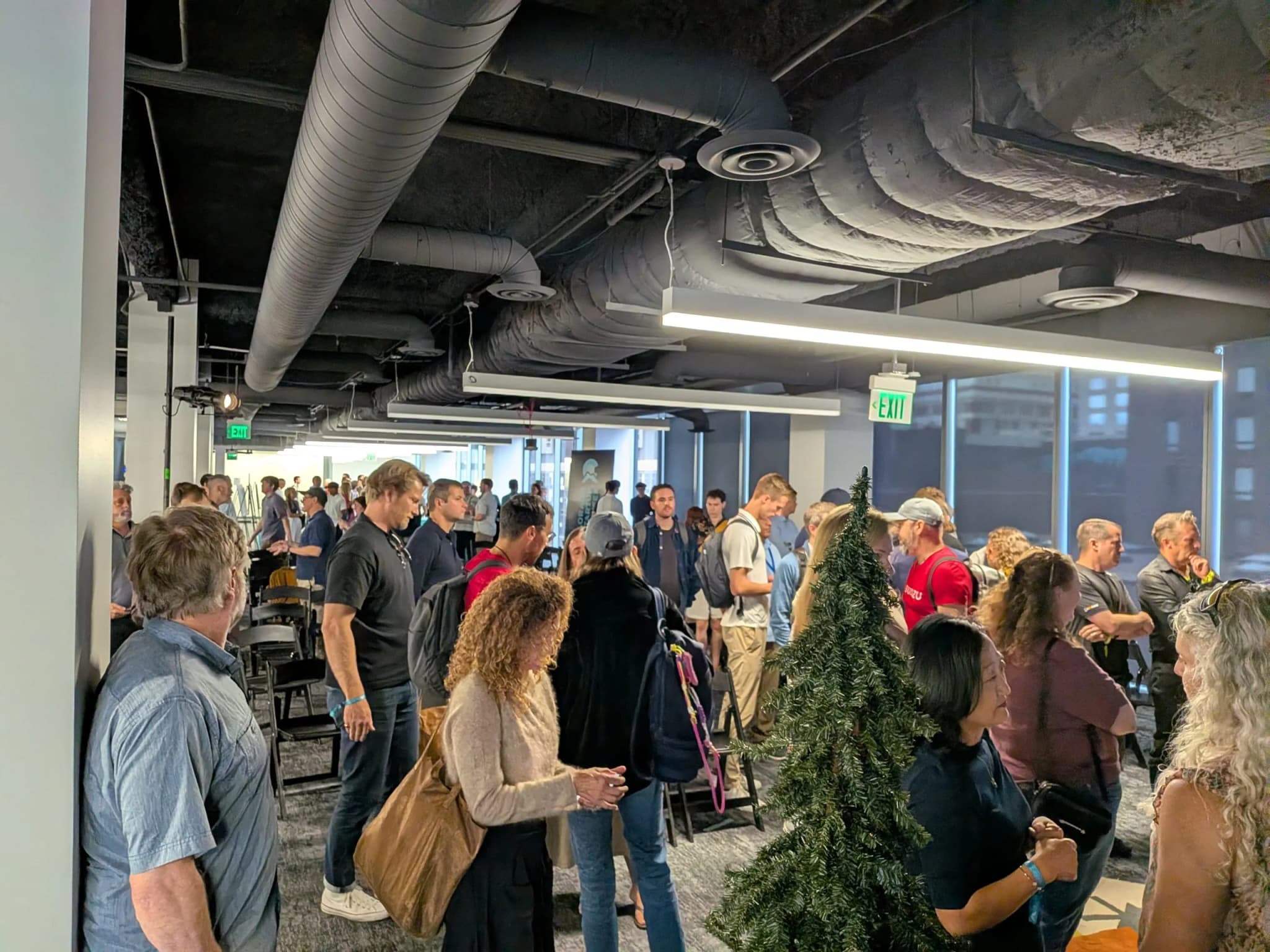
A group of over 230 local tech leaders and investors has also spoken out, expressing their concerns about the deteriorating business climate in an open letter to lawmakers. They, too, cite the unpredictability and lack of competitiveness as major factors driving companies to look elsewhere for expansion opportunities.
As the Western Slope continues to grow and develop, considering the broader implications of these trends is necessary. The loss of competitive edge will undoubtedly impact the local economy, from the availability of jobs to the attractiveness of the region for new businesses and investments.
For locals, the reality is that the state's declining competitiveness will have far-reaching consequences. The situation will have a direct impact on people and families who rely on a strong, stable economy. One concern is that policymakers and business leaders must take action and address the concerns of the community.
The data suggests that the state's regulatory environment is a significant factor in its declining competitiveness. With Colorado ranking as the sixth-most regulated state in the country, it's no wonder that businesses are looking elsewhere for opportunities. That's a 5-spot swing in just two years, indicating a rapid increase in regulatory burden.
As the community looks to the future, the complexities of this issue and the potential consequences of inaction must be understood. The Western Slope, with its unique blend of natural beauty and economic potential, must navigate these challenges to remain an attractive destination for businesses and investments.
In the coming months, it will be necessary to monitor the situation and track any developments that may impact the local economy. For now, the trend line is clear: Colorado's competitive edge is declining, and policymakers and business leaders must take action to ensure a strong, stable future for the region.
Keep up with Colorado
The day's Western Slope news, one email each morning. Free.
Federal Report Sets 200,000 Acre-Foot Water Conservation Target for Upper Basin

Colorado Parks and Wildlife Deploys Precision Drones for Weed Control