Colorado Sees Prison Population Increase Despite Falling Crime Rates
Colorado's prison population is growing due to a decrease in parole releases, despite a drop in crime rates. The state is considering reopening prisons, sparking concerns about overcrowding and funding.
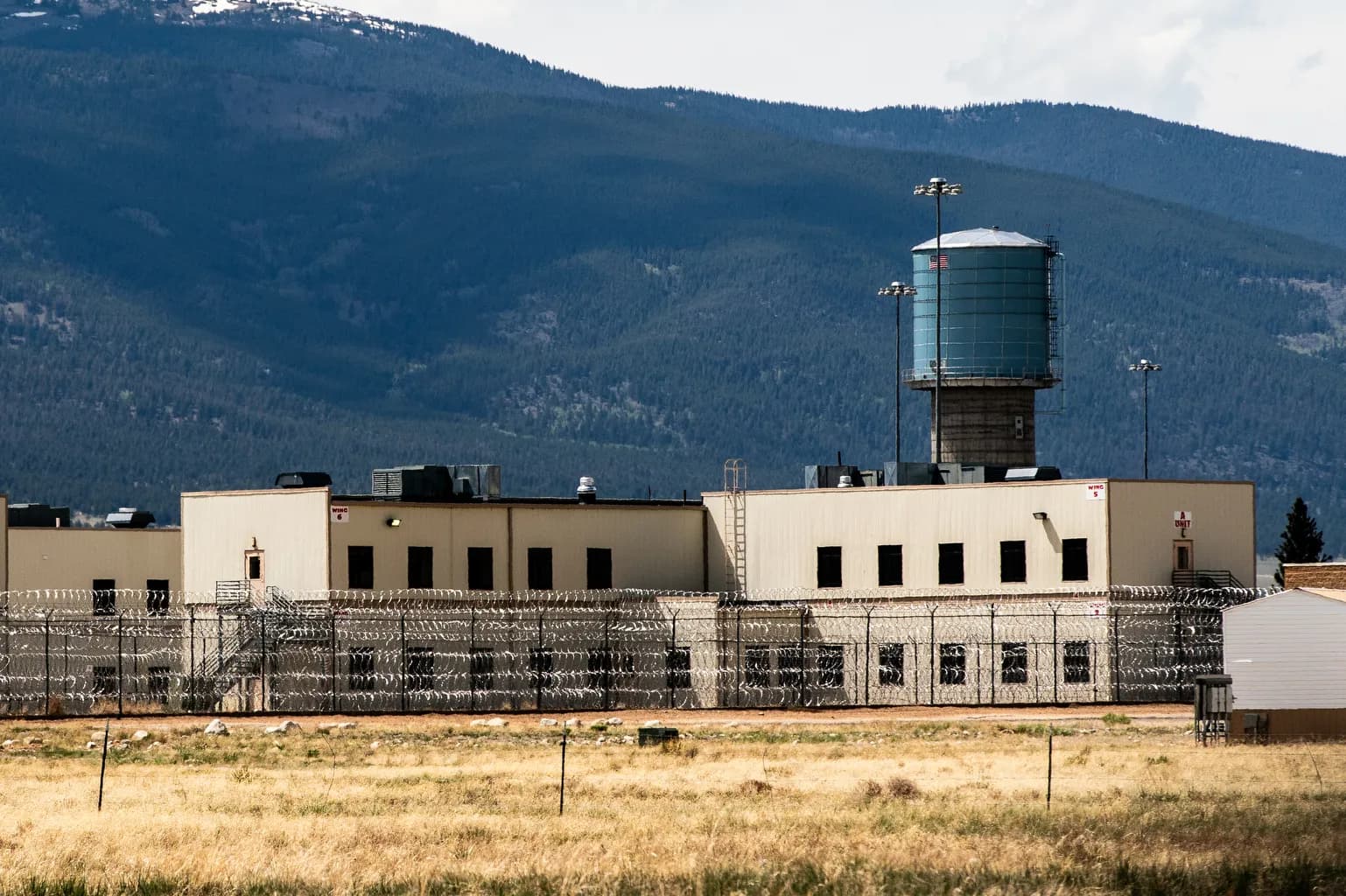
Colorado —What's driving the need for a new prison in Colorado when crime rates are actually decreasing? Make no mistake, the numbers don't add up - a 3% decrease in new prison admissions and falling crime rates, yet the state's adult prison population is ballooning. The short version: it's not about more people being sentenced, but rather, fewer being released on parole. By the end of June, the Department of Corrections projects a 12% decrease in parole grants compared to last year.
That's what's causing the crisis - not an increase in crime, but a decrease in parole releases. Read that again: a 12% decrease in parole grants. This means about 4,600 people, more than one-fourth of adults incarcerated in state and private prisons, are past their parole eligibility dates. The result is one of the largest expected annual increases in the state's prison population in 14 years.
Gov. Jared Polis is now proposing to expand the state's correctional system by reopening at least one, possibly two, prisons. This is a reversal of his campaign promise to end contracts with private prison companies and invest in alternatives to incarceration. Polis' office claims that without another prison, the Department of Corrections will have to house over 100 people on sled beds - plastic floor cots - in a gym. Rep. Kyle Brown, a member of the Joint Budget Committee, summed it up: "Nobody wants to fund prison beds."
Yet, that's exactly what lawmakers are considering, even as they cut social services like healthcare for low-income individuals to manage a $1.5 billion budget gap. They must find money for another prison, an outcome that seems to have no clear supporters. The community is raising alarm bells about overcrowding and understaffing in Colorado's prisons, pointing to missed warnings and new laws that increase punishments or create new crimes. Some blame Polis for failing to intervene before the crisis reached this point.
Polis claims that prison staffing levels have improved under his watch, with vacancy rates decreasing from 23% in 2023 to 15% last fiscal year. However, the fact remains that the state is not releasing as many people on parole as it could, leading to a significant increase in the prison population. The Department of Corrections has helped reduce staffing shortages by offering housing to new recruits and hiring people from Puerto Rico to work in state prisons. But this doesn't address the root cause of the problem - the decrease in parole releases.
In Delta County, this means that local residents will likely see an impact on their property taxes, as the state struggles to fund its correctional system. That's what Delta County spends on road maintenance in a year - a significant amount that could be diverted to fund prison expansion. Folks around here are wondering how this will affect their community, and what alternatives could be explored to address the crisis. The question is, what will happen to those 4,600 people past their parole eligibility dates, and how will the state prioritize their release? For people in the valley, this is a pressing concern that requires a closer look at the state's correctional system and its priorities.
The Human Cost of Prison Expansion
As the state considers reopening prisons, the human cost of this decision will be significant. Incarcerated individuals, advocates, and some Democratic legislators have been raising alarm bells about overcrowding and understaffing in Colorado's prisons. They point to the importance of addressing the root causes of the crisis, such as the decrease in parole releases, and the impact of new laws that lengthen sentences. The community is looking for solutions that prioritize rehabilitation and release, rather than simply expanding the prison system. However, with the current proposal on the table, it seems that the state is heading in the opposite direction. The outcome of this decision will have far-reaching consequences for the community, and the state's budget will be impacted. As Rep. Brown said, "Nobody wants to fund prison beds" - but that's exactly what might happen. The fact remains, the state is not releasing as many people on parole as it could, and this is driving prison expansion. What will happen next is worth watching, as the state navigates this complex issue and its potential consequences for the community.
Keep up with Colorado
The day's Western Slope news, one email each morning. Free.
Federal Report Sets 200,000 Acre-Foot Water Conservation Target for Upper Basin
Colorado Parks and Wildlife Deploys Precision Drones for Weed Control